

 Photo: Västmanlands läns museum (CC BY 4.0)

Svagdricka is a traditional Swedish low-alcohol malt beverage with a sweet and mild flavor. It has historical roots in everyday brewing and is still associated with seasonal meals, particularly during Christmas and Easter.
When Swedes gathered for Christmas feasts or summer celebrations in centuries past, one humble yet beloved drink often appeared on the table: svagdricka. Literally meaning “weak drink,” this dark, sweet, low-alcohol brew (similar to a mild beer or kvass) has been part of Swedish life for generations. With its malty richness, gentle fizz, and mild strength, svagdricka sits somewhere between beer and soft drink—an echo of medieval brewing that has survived into modern times.
Svagdricka is a top-fermented, unpasteurized malt beverage with less than 2.25% ABV. Dark in color and slightly sweet, it’s often described as malty with notes of bread, caramel, and molasses. Often compared to drinks like Russian kvass, this traditional Swedish drink played a similar role in everyday life—refreshing, communal, and deeply tied to everyday life.
Traditionally brewed from malted barley and flavored with hops, some regional variations also included juniper twigs or berries for an earthy touch.
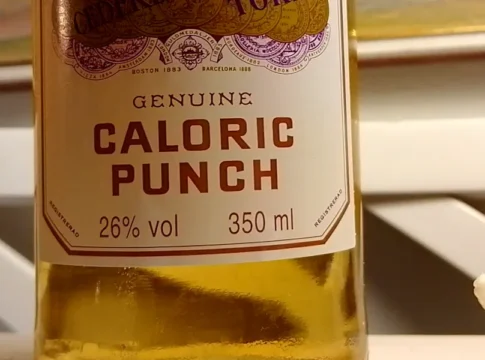
Svagdricka shares a cultural heritage with Sweden’s historic sweet beverages like Swedish punsch, which also offer a unique taste of the nation’s rich drinking traditions.
Svagdricka is one of only two ancient Swedish brews that survived into modern times—the other being the stronger, farmhouse-style Gotlandsdricka. By the early 20th century, it was produced by countless local breweries across the country and was a common household staple.
Its low alcohol content made it suitable for daily consumption, while its hearty flavor secured its place at festive occasions such as Christmas and midsummer. It was often served alongside classic Swedish dishes like raggmunk, pickled herring, or hearty meals such as pyttipanna, creating a balance between sweet maltiness and savory flavors.
Although svagdricka’s popularity has declined, it still appears during festive seasons, especially at Christmas and Easter. It’s often sold in large bottles near must, making it easy for curious visitors to spot on supermarket shelves.
Some enthusiasts even age bottles slightly, allowing the flavors to mellow and deepen over time.
Only a handful of breweries still produce svagdricka today, but it remains available in most Swedish supermarkets such as ICA or Coop, particularly in December. For visitors, picking up a bottle offers a rare chance to taste one of Sweden’s oldest surviving drinks—an everyday tradition that has quietly endured.
Trying svagdricka offers more than just a taste—it’s a window into Sweden’s culinary history. While modern trends like craft beer and the social ritual of Swedish fika shape today’s food culture, svagdricka recalls a time when brewing was woven into daily life.
For visitors, raising a glass of this dark, sweet “weak beer” is a simple but meaningful way to experience an authentic piece of Sweden’s cultural fabric.
Swedish drinks: Svagdricka
Svagdricka