


 Photo: Skivsamlare (CC BY-SA 3.0)
Swedish lunch traditions reflect everyday eating habits shaped by work routines and seasonal customs. Common elements include hot meals, soups, and weekly traditions such as Thursday pea soup with pancakes.
In Sweden, lunch isn’t just a break in the day—it follows a quiet rhythm shaped by tradition. Across the country, certain dishes appear on specific weekdays, turning an ordinary meal into a cultural routine. This tradition has deep historical roots and remains part of everyday life today.
Here’s a guide to the weekly specials you might encounter in Swedish lunch restaurants.
The use of wild ingredients is integral to Swedish culinary traditions, enriching weekly lunch menus with flavors sourced from nature’s bounty wild ingredients that shape Swedish cuisine.
This weekly rhythm is one of the most recognizable aspects of Swedish lunch traditions today.
A substantial soup, frequently served with bread, is the week’s first course at many restaurants. While not a strict tradition, it’s a common choice to ease into the workweek.
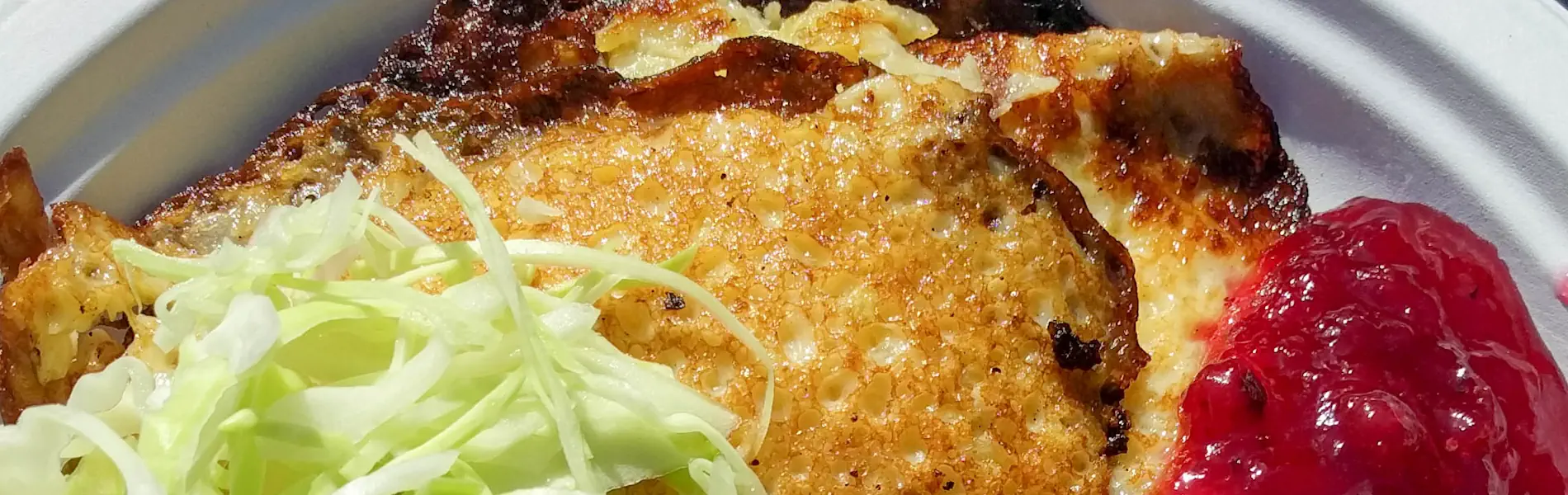
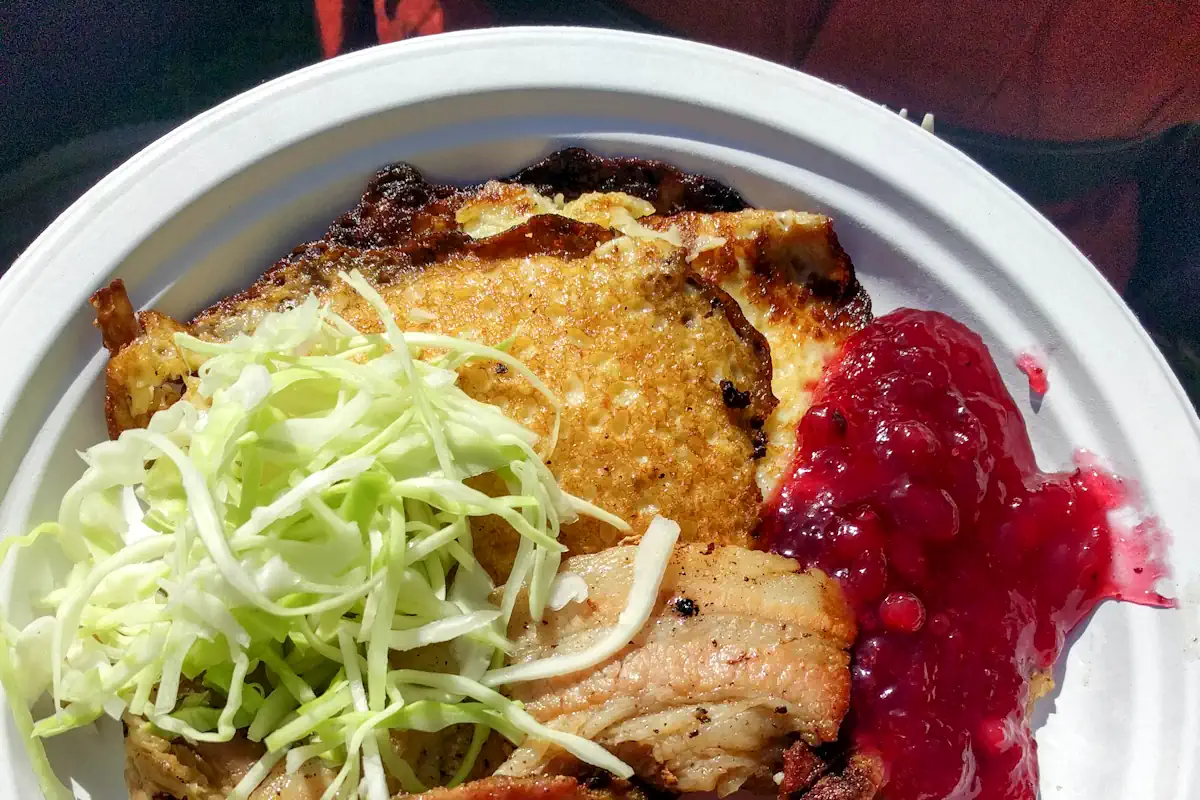
Tuesdays are often dedicated to “raggmunk,” a traditional Swedish potato pancake. Typically served with fried pork and lingonberries, this dish offers a delightful mix of crispy and savory flavors.
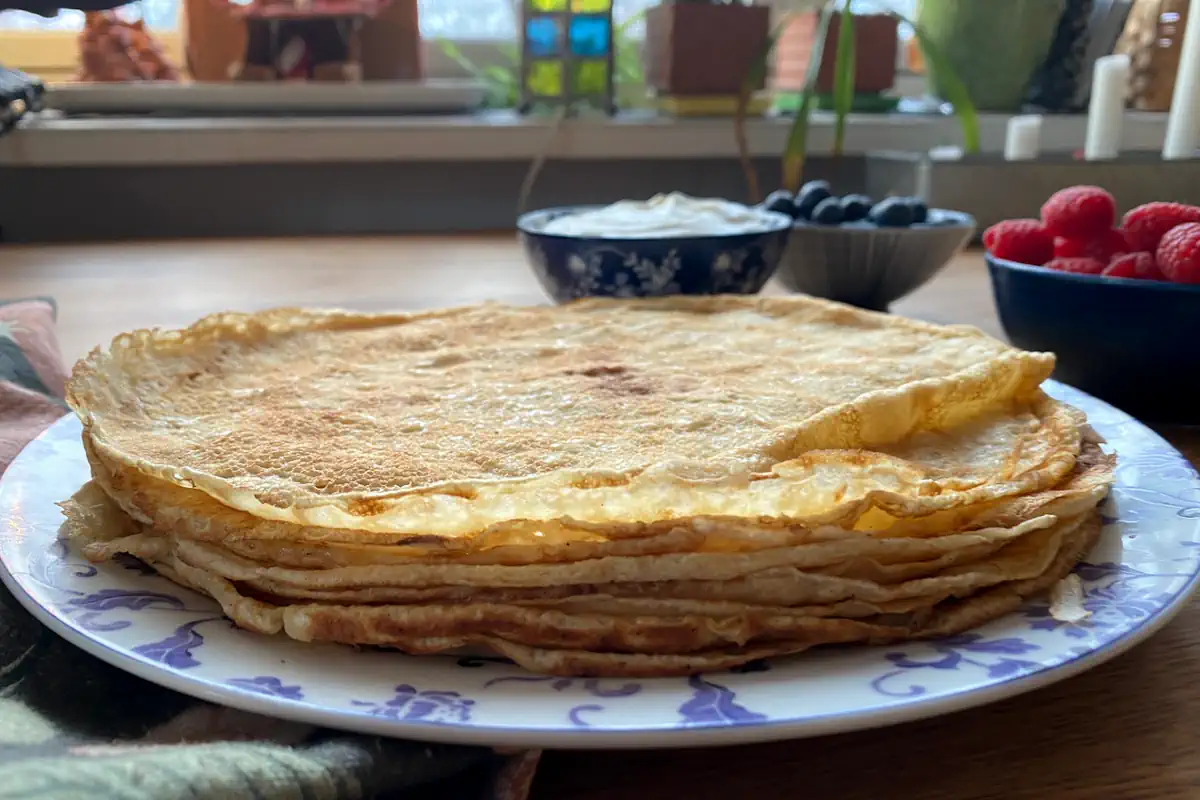
Thursday is perhaps the most famous day in Swedish lunch traditions. It’s when restaurants serve “ärtsoppa och pannkakor“—yellow pea soup followed by thin pancakes. This tradition dates back centuries and is still widely observed today. Traditionally, one should consume warm punsch (40 degrees C) with the pea soup.
Many Swedish restaurants serve fish dishes on Fridays. This could range from fried herring (“stekt strömming”) to more elaborate seafood options.
By Friday, the mood often shifts toward “fredagsmys”—a cozy end-of-week tradition where simple meals and relaxation take center stage.
Swedish lunch traditions often pair well with traditional Swedish beverages like svagdricka, a sweet and malty heritage brew enjoyed during festive occasions.
Before the warm dishes of the weekday lunch appear, many Swedes start the day with filmjölk, a quietly enduring fermented milk that reflects the same balance and simplicity found throughout Swedish food culture.
While not tied to specific days, other traditional dishes you might encounter throughout the week include:
Remember, these traditions can vary between restaurants and regions. Many establishments offer a “dagens lunch” (lunch of the day) menu that changes daily, providing a mix of traditional and modern Swedish cuisine.
In essence, Swedish lunch traditions offer more than just food—they provide a glimpse into everyday life, where routine, comfort, and culture meet on the plate.
Exploring traditional Swedish lunch dishes like raggmunk can be complemented by iconic Swedish foods such as Bullens Pilsnerkorv, a beloved canned sausage since 1953.
Swedish lunch traditions
Svenska lunchtraditioner