



 Photo: Mikaela Börjesson (CC BY-SA 4.0)

Punsch is a traditional Swedish liqueur known for its sweet, spiced flavor and historical association with student culture and social life. First introduced in the 18th century, it remains part of Sweden’s culinary heritage and has seen renewed interest in modern cocktail culture.
Few drinks capture Sweden’s social and cultural history quite like punsch—a sweet, spiced liqueur with roots in global trade and centuries of tradition. This sweet, complex beverage offers a taste of Swedish tradition and craftsmanship.
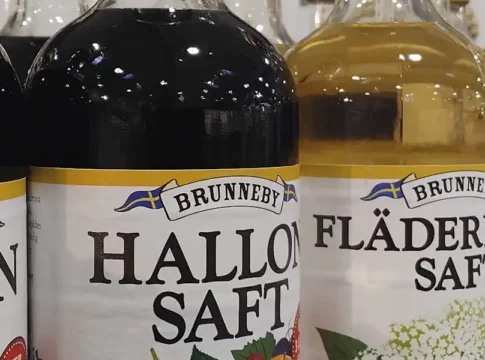
Unlike non-alcoholic staples like saft, punsch carries a more ceremonial and historical character.
The story of punch begins in 1733 when the Swedish East India Company ship “Fredricus Rex Sueciae” arrived in Gothenburg, bringing arrack from Java. Sailors had created a warming concoction during their voyage, mixing arrack with sugar, tea, citrus, and spices. This blend quickly gained popularity in Sweden, initially among the wealthy who could afford imported ingredients.


Swedish punsch typically contains
The result is a sweet, rich flavor with complex notes that set it apart from other liqueurs.
This drink became deeply ingrained in Swedish culture.
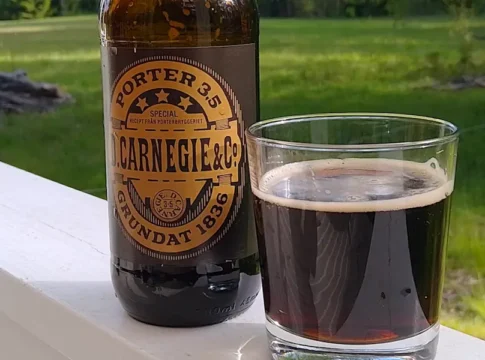
Sweden’s rich tradition of historic beverages includes not only punsch but also iconic brews like Carnegie Porter, a dark Baltic porter cherished since 1836.
In the 1840s, Johan Cederlund & Söner created the first bottled punsch, using Batavia arrack, sugar, and acidic wines instead of citrus for better shelf stability. This innovation led to widespread consumption and various branded versions like Kavalleri Punsch and Ishavs Punsch. Cederlund pioneered the bottling of their iconic Punsch in the cellars beneath the Royal Palace, utilizing large storage facilities like the 24,000-liter “Stora Stycket” container (“The Large Piece Container”) to facilitate production and distribution.
While its popularity waned in the 20th century, this liqueur has experienced a revival:
Today, punsch remains a symbol of warmth and hospitality in Sweden, enjoyed as an aperitif, digestif, or in cocktails. Its complex flavors and rich history continue to captivate drink enthusiasts worldwide, offering a taste of Swedish tradition in every sip.
For those interested in the cultural significance and history of Swedish alcoholic beverages, the Museum of Spirits in Stockholm offers an immersive experience into Sweden’s liquid heritage.
Swedish Punsch
Punsch