



 Photo: © StockholmMuseum.com
Royal Swedish Opera: Stockholm’s Grand Stage Since 1773
Explore the Royal Swedish Opera's grandeur and rich history dating back to 1773. Dive into this cultural gem, the heartbeat…

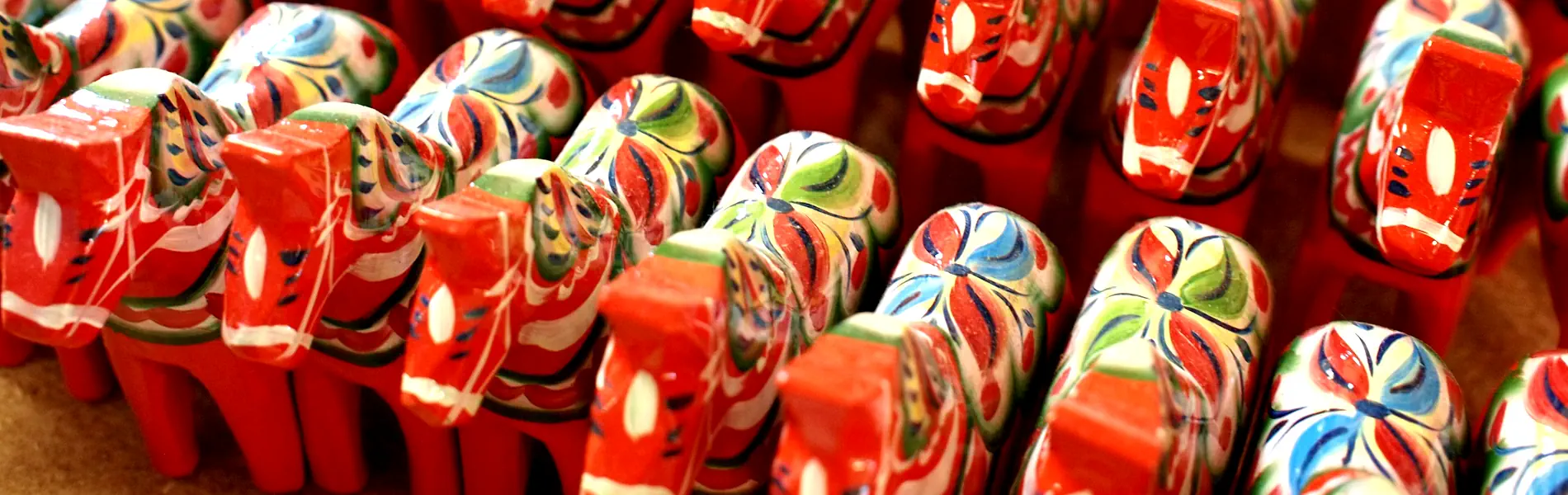
The Dalahäst is a traditional Swedish wooden horse originating in the province of Dalarna. Once a handmade toy, it has become one of Sweden’s most recognizable national symbols, representing folk art, craftsmanship, and cultural identity.
The Dalahäst, or Dala horse, is one of Sweden’s most recognizable cultural symbols. With its bright colors and hand-painted patterns, this small wooden figure carries centuries of tradition—transforming from a simple children’s toy into an enduring icon of Swedish identity, much like other everyday traditions such as Swedish fika.
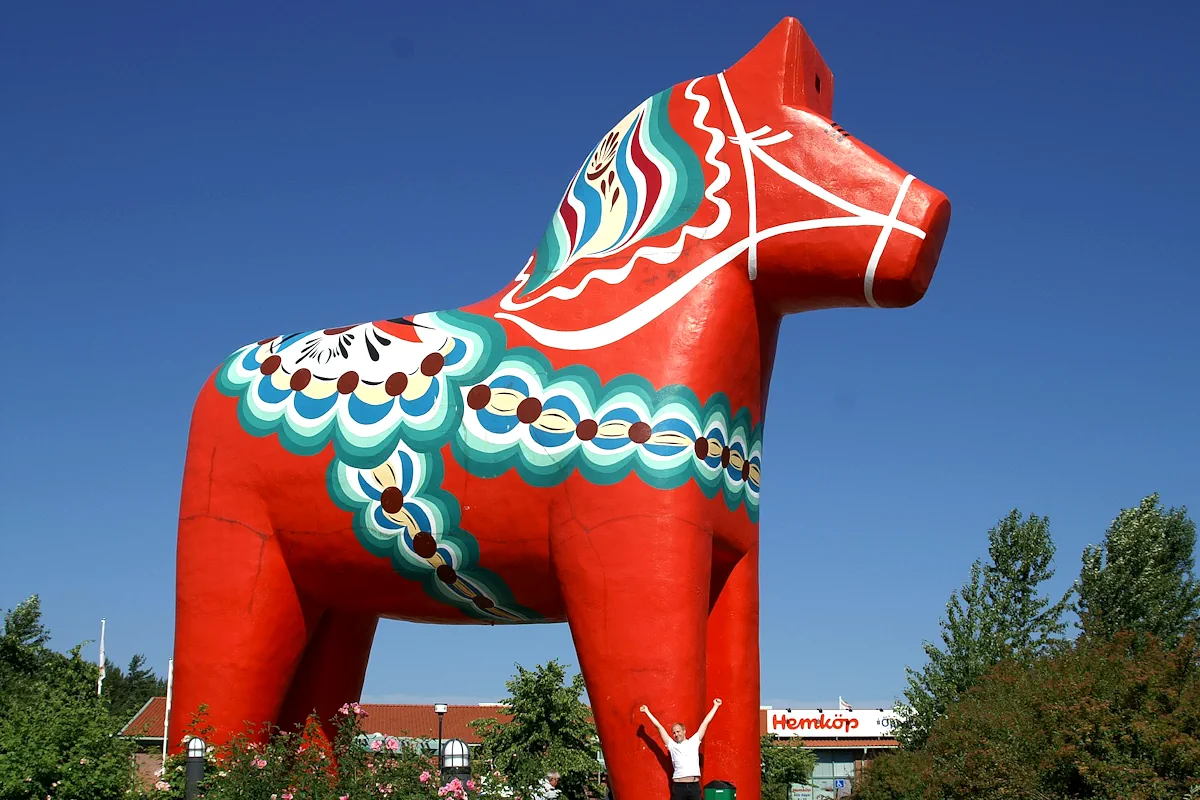
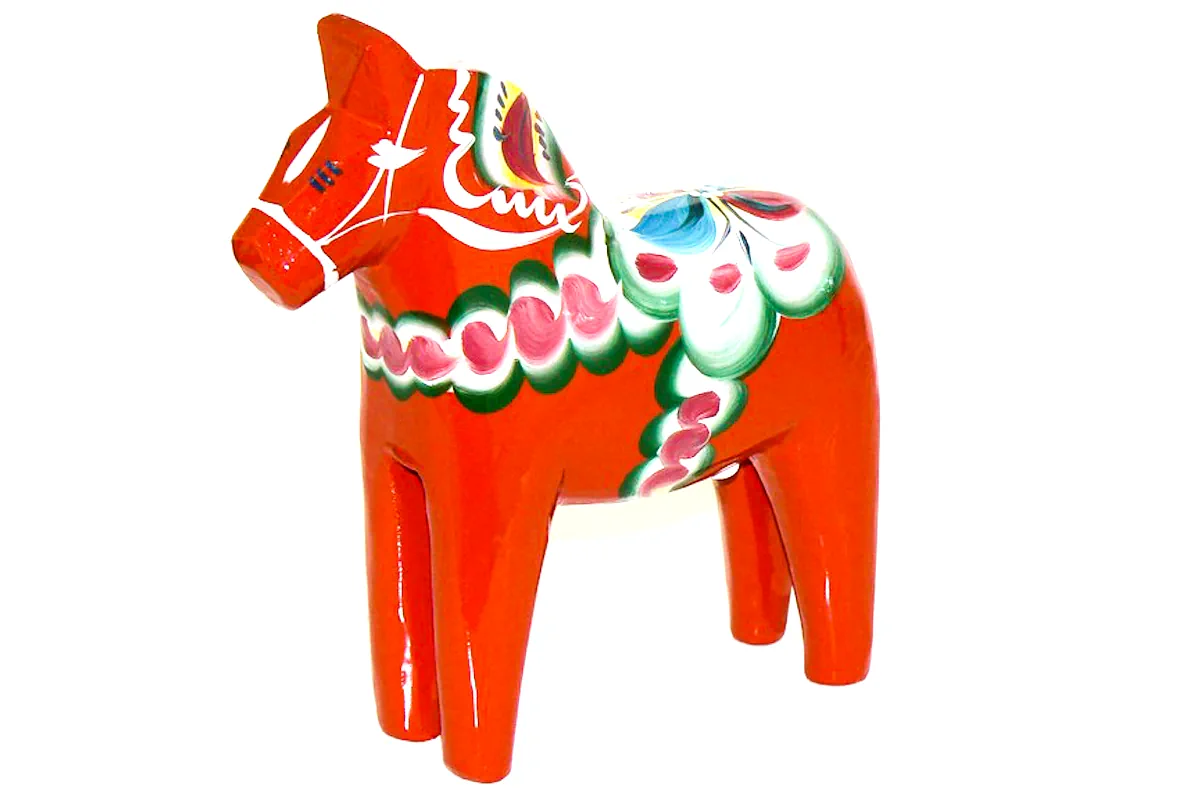
The story of the Dalahäst begins in the central Swedish forests of Dalarna, where lumberjacks would spend long winter nights carving wooden horses. Originally designed as children’s toys, these wooden sculptures symbolized more than just a toy; they also represented the significance of horses in rural Swedish culture.
Every Dala horse is a one-of-a-kind creation, painstakingly made using a traditional method:
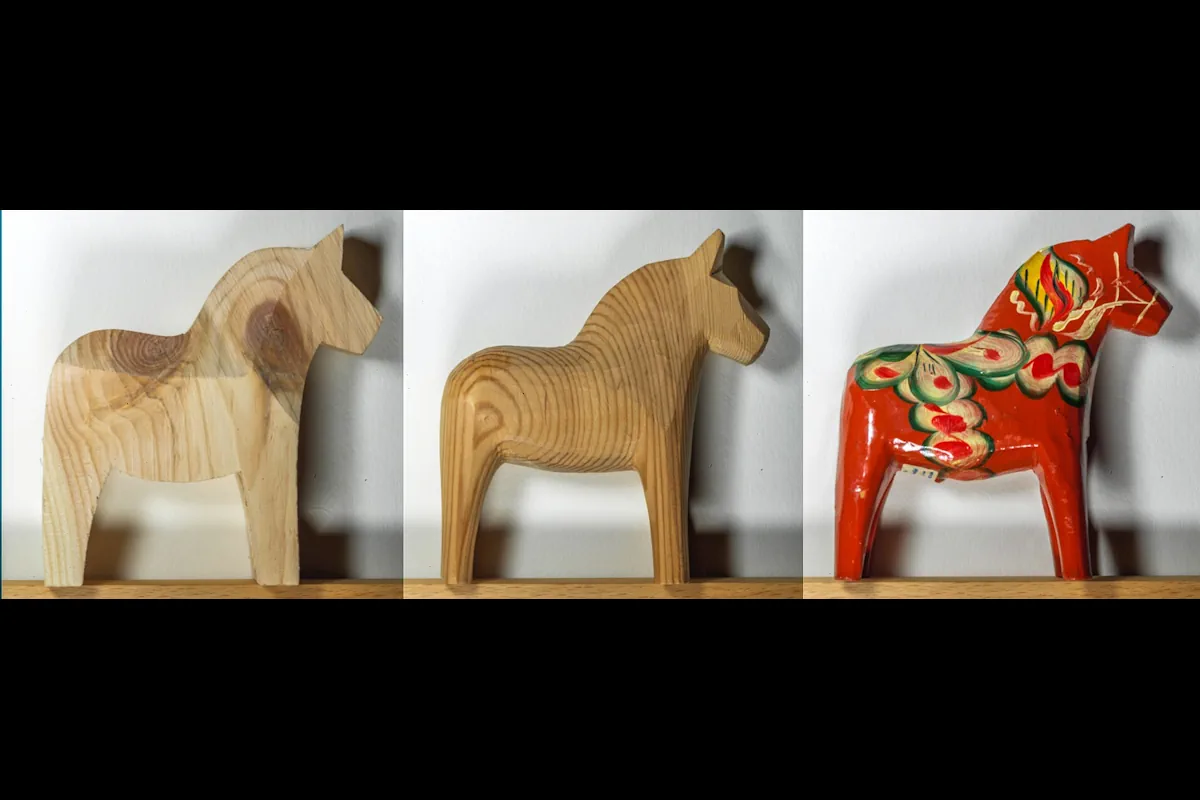
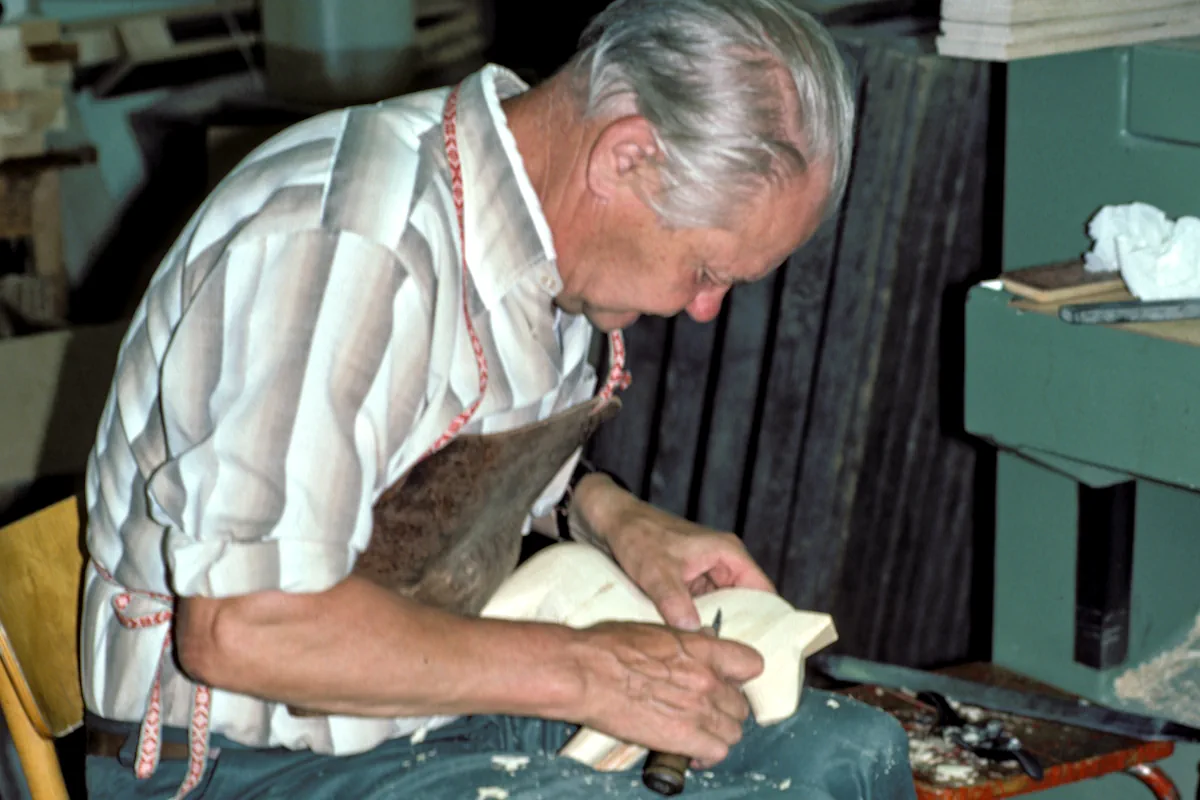
The Dalahäst gained international recognition at the 1939 World’s Fair in New York, where a giant version was displayed as a symbol of Sweden. Since then, it has become one of the country’s most recognizable cultural exports—appearing in homes, design shops, and tourist collections around the world.
Visitors can travel to Nusnäs, a small village close to Lake Siljan, which is the center of Dala horse production. Here, you can:
Visiting Nusnäs offers a rare opportunity to see Swedish craftsmanship up close—where each brushstroke and carved detail follows traditions passed down through generations.
Each Dala horse is unique.
For tourists looking for a genuine taste of Swedish culture, the Dalahäst provides the ideal fusion of tradition, art, and history.
The Dalahäst is deeply rooted in Swedish culture, much like everyday traditions such as Swedish fika, which reflect the country’s strong sense of identity, craftsmanship, and shared rituals.
Today, the Dalahäst is more than a decorative object—it’s a symbol of Swedish heritage, craftsmanship, and identity. Whether displayed on a shelf or brought home as a souvenir, it represents a tradition that continues to live on in modern Sweden.
The Dala Horse
Dalahäst