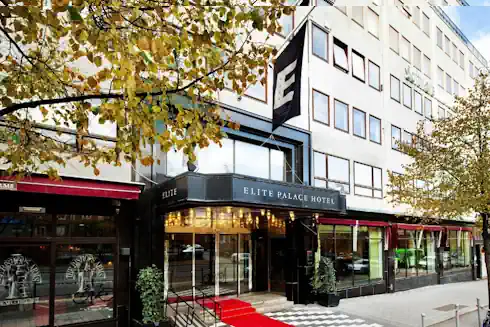


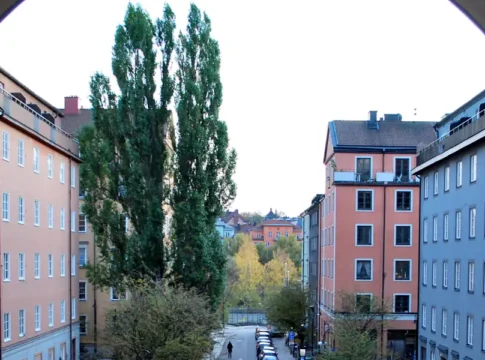
 Photo: Helge Høifødt (CC BY-SA 3.0)
Astrid Lindgren was one of Sweden’s most beloved authors, whose stories have shaped generations of readers worldwide. Her legacy lives on in Stockholm through places connected to her life, her characters, and the museum dedicated to her work.
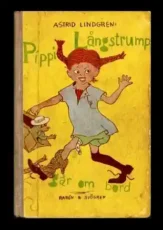
Pippi Goes on Board (1946). Photo: ‘abebooks.co.uk’ (fair use)
Astrid Lindgren, one of Sweden’s most beloved authors, created characters who became global cultural icons—Pippi Longstocking, Emil of Lönneberga, and The Brothers Lionheart among them. While her books enchanted millions, Stockholm was the city where her stories truly took shape. Today, visitors can follow in her footsteps across the capital, especially in the neighborhood of Vasastan where she lived and worked.
Astrid Anna Emilia Lindgren was born in 1907 in Vimmerby, Småland. Her carefree childhood on a farm inspired the rural settings and emotional warmth that define her stories.
At 18, she moved to Stockholm, working as a secretary while shaping the imagination that would later make her famous. Here she built her life, raised her family, and began transforming everyday observations into timeless narratives.


Lindgren’s first recognition came in 1944 with The Confidences of Britt-Marie. But her true breakthrough was Pippi Longstocking (1945), created for her daughter Karin. Pippi’s fearless independence captured a postwar generation longing for freedom and joy.
Her literary world expanded with beloved works such as:
Stockholm preserves many places connected to Lindgren’s daily life and creative spark. Together, they form a walkable journey through the city.
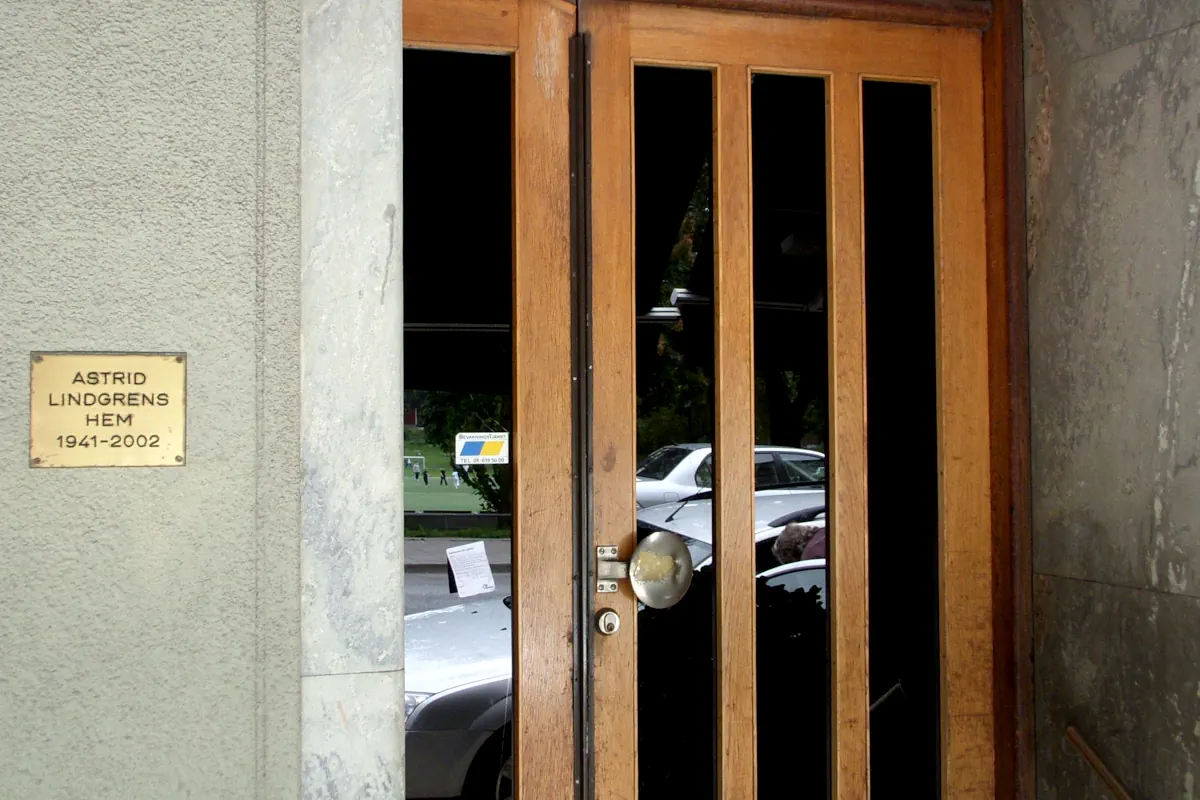
From 1941 until her death in 2002, Lindgren lived at Dalagatan 46 in Vasastan. The apartment, now preserved as a museum, remains exactly as she left it—complete with her writing desk and the room where the story of Pippi Longstocking first began.
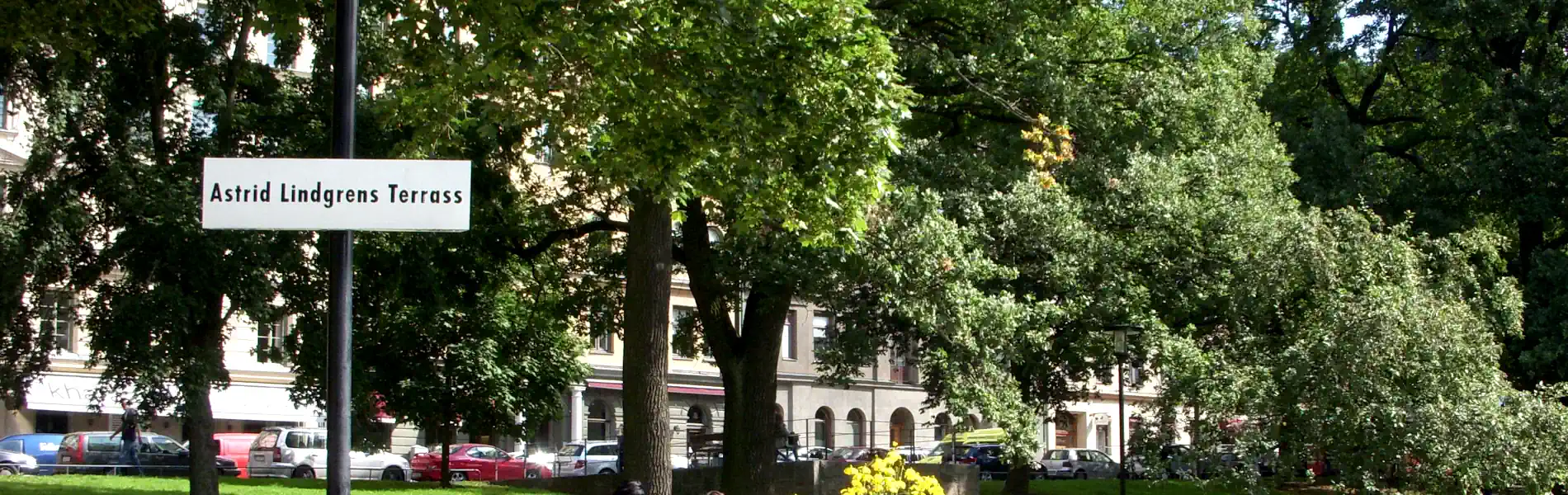
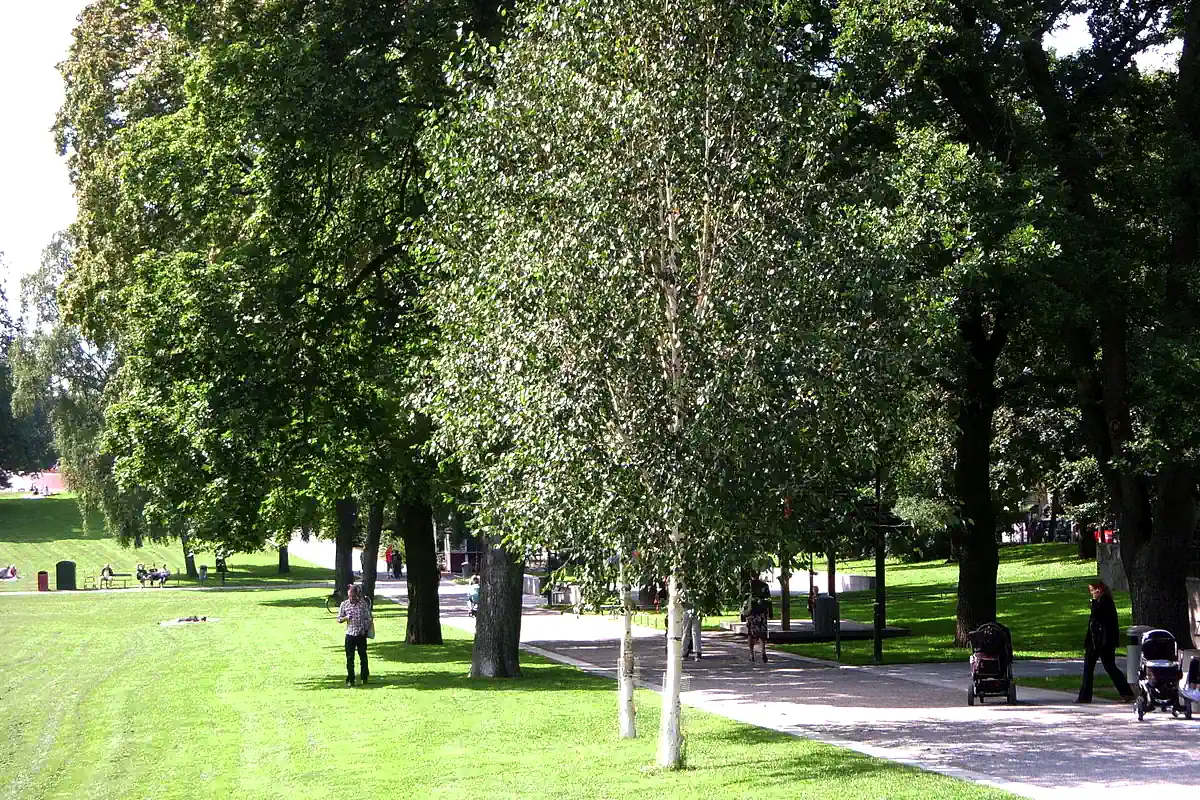
Just across the street, Vasaparken was part of her daily routine. In 1944, while recovering from a sprained foot, she began writing the first Pippi stories here. Today, a terrace in the park commemorates her legacy.
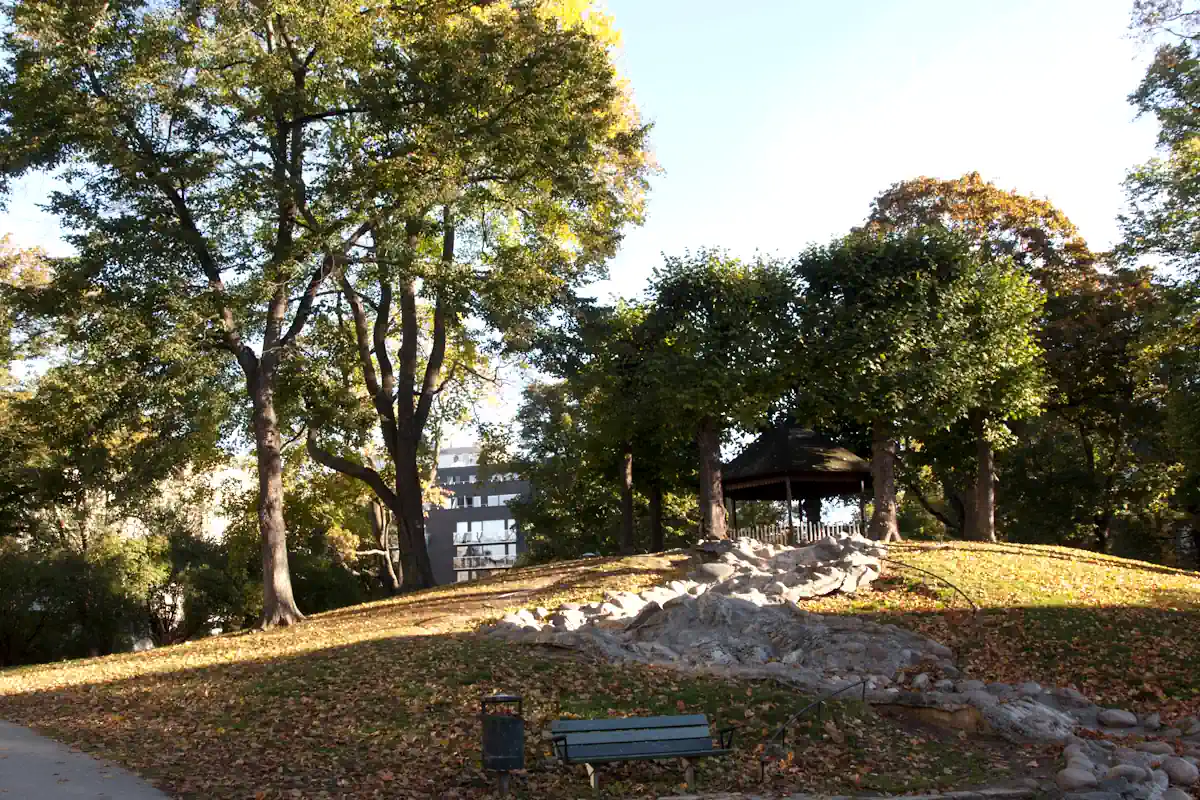
Tegnérlunden formed part of her daily walk to her publisher. Seeing a solitary boy on a bench here inspired the opening of Mio, My Son. A bronze statue of Lindgren, installed in 1996, marks the spot where imagination met observation.

Astrid Lindgren’s influence extends far beyond literature. She was a passionate advocate for children’s rights, animal welfare, and social justice, helping shape modern Swedish values.
She also belongs to a broader tradition of Swedish cultural figures, alongside writers such as Selma Lagerlöf and August Strindberg, whose works helped define Sweden’s literary identity across generations.
Families visiting Stockholm can explore Junibacken, a beloved museum on Djurgården where Lindgren’s stories are brought vividly to life through interactive exhibits and storytelling environments.
Stockholm is not just a backdrop to Astrid Lindgren’s life—it is part of her narrative. From her apartment on Dalagatan to the green spaces of Vasaparken and Tegnérlunden, her world remains woven into the fabric of the city.
To walk through these places is to step into a living story—one shaped by imagination, resilience, and a deep understanding of childhood that continues to inspire readers around the world.
Astrid Lindgren
Astrid Lindgren