 Photo: Jules Verne Times Two (CC BY-SA 4.0)
Stockholm’s manufacturing museums offer insight into the material foundations of Sweden’s transformation into a modern industrial society. Across preserved factories, workshops, and production environments, visitors encounter the interplay of raw materials, skilled labor, and mechanical innovation that shaped both the city and the nation.
At the Almgren Silk Factory & Museum, historic looms still operate, preserving the rhythms of 19th-century textile production and the social history of urban industry. In contrast, the Gustavsberg Porcelain Museum traces how ceramics evolved from functional goods into internationally recognized design—bridging craft and industrial artistry.
Mechanical innovation comes to life at the Pythagoras Industrial Museum, where working engines and intact workshops illustrate the shift into the machine age. Meanwhile, Wira Bruk offers a deeper historical perspective, rooted in early iron production and pre-industrial craftsmanship.
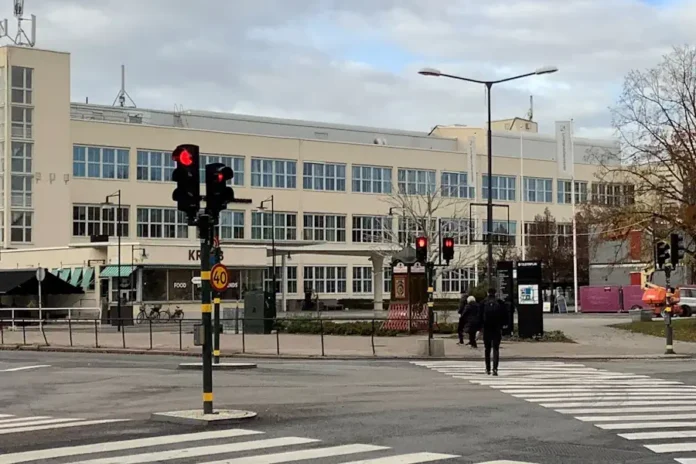
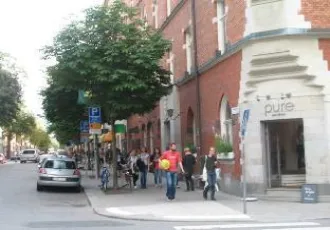
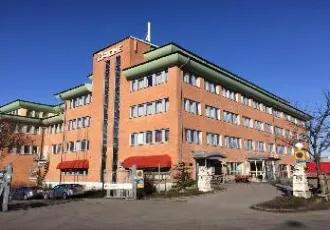
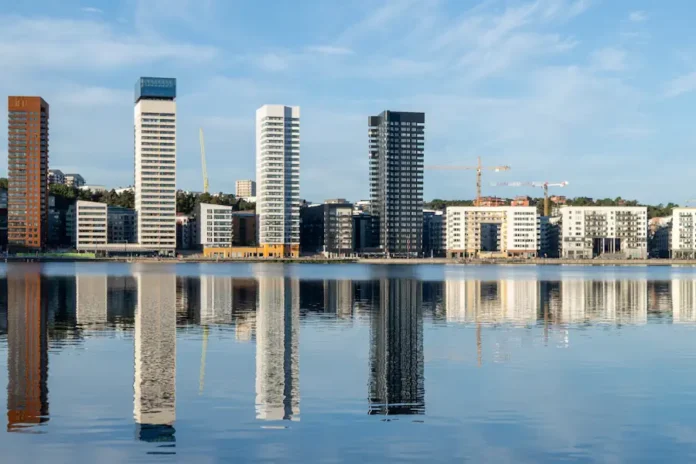
Beyond museum environments, Stockholm’s industrial story also continues in former production districts such as Telefonplan and Liljeholmen, where large-scale industry has evolved into modern urban landscapes.
Together, these museums form the core of Stockholm’s manufacturing heritage—complementing industrial landscapes, infrastructure, and evolving urban districts across the city. They reveal how manufacturing shaped not only production, but also urban growth, labor systems, and Sweden’s global industrial identity.
For a broader perspective on how these sites connect within Sweden’s industrial development, explore our overview of Industrial Heritage in the Stockholm Region.
 Photo: Holger Ellgaard (CC BY-SA 3.0)
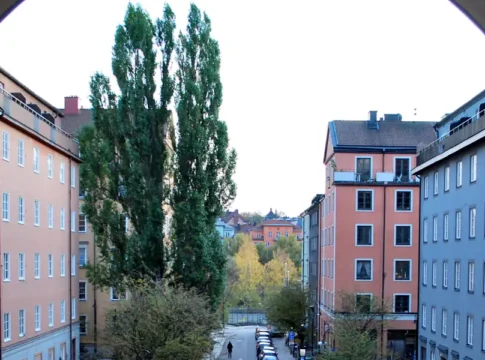 Photo: Helge Høifødt (CC BY-SA 3.0)
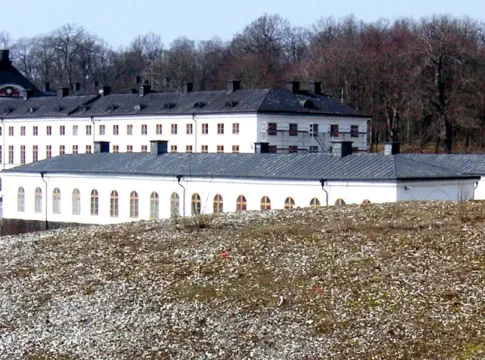 Photo: Holger.Ellgaard (CC BY-SA 3.0)
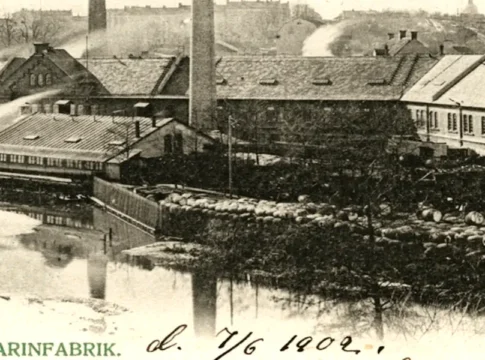 Photo: Public domain.
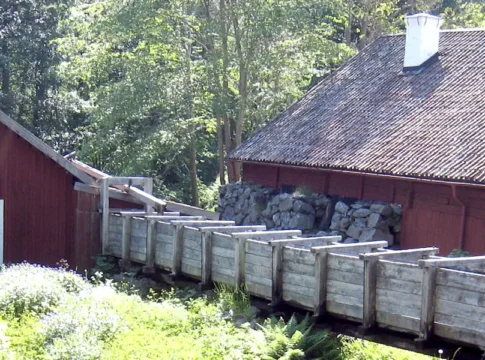 Photo: Einarspetz (CC BY-SA 3.0)
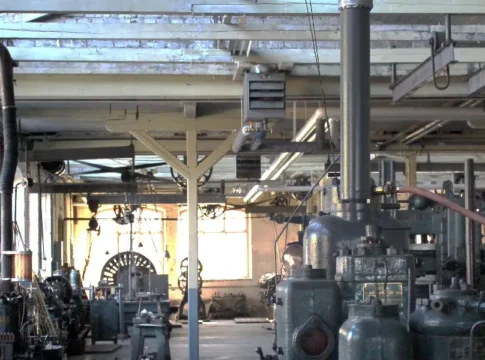 Photo: Einarspetz (CC BY-SA 3.0)
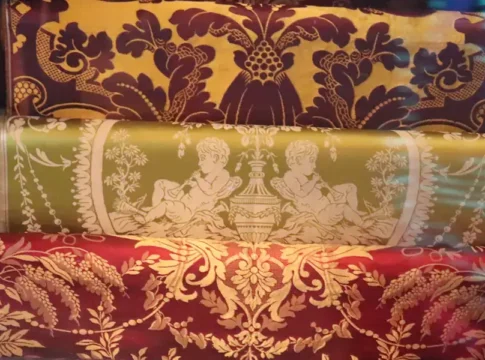 Photo: GAD (CC BY-SA 4.0)
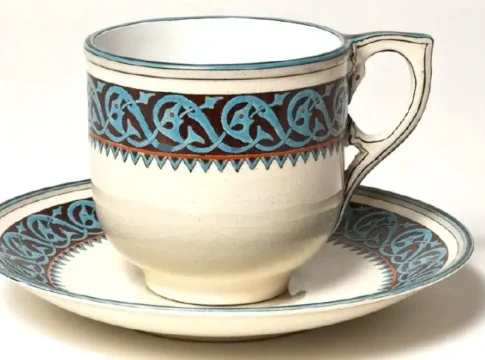 Photo: Greta Lindström / Nationalmuseum - nationalmuseum.se CC BY-SA 4.0
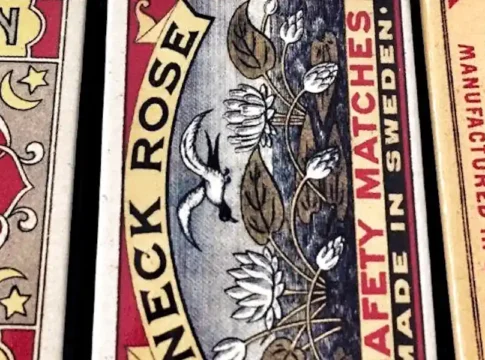 Photo: Tobaks- och tändsticksmuseum (CC BY-SA 4.0)
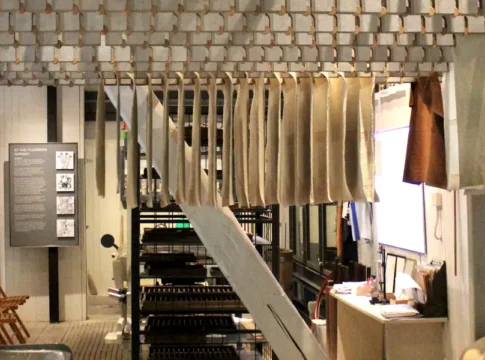 Photo: Sniper Zeta. (CC BY-SA 4.0)
Opening hours and admission policies vary seasonally. Many institutions offer guided tours, exhibitions, and educational programs throughout the year.
Consider combining nearby locations to create a full-day cultural itinerary.
 In partnership with Agoda