 Photo: Julian Herzog (CC BY 4.0)
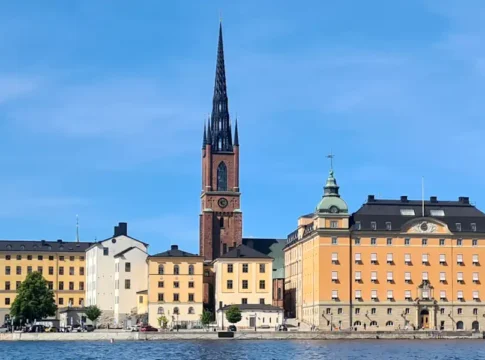
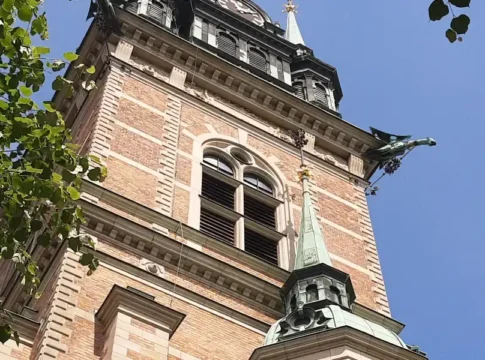
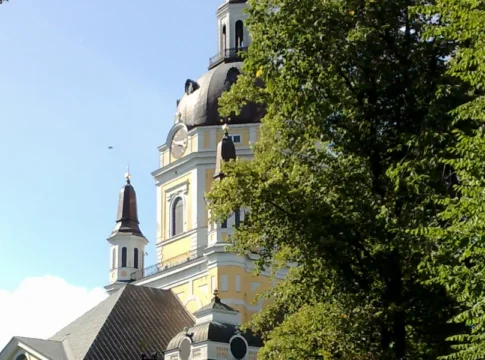
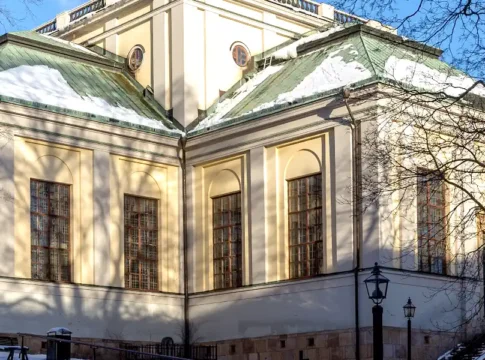
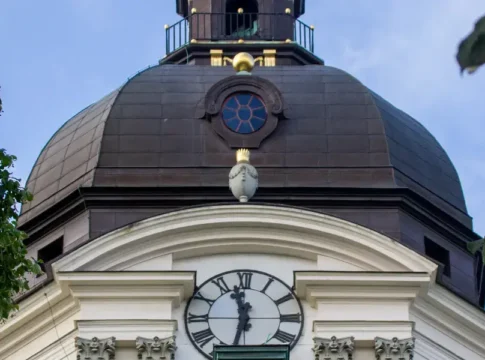
Beyond the medieval core, the German Church reveals Hanseatic influence, while Hedvig Eleonora Church reflects the Baroque expansion of the imperial era. Later Neo-Gothic and National Romantic landmarks reshaped the skyline as Stockholm industrialized.
These sacred spaces shaped Stockholm’s urban fabric and civic life. Within their walls unfolded coronations, royal funerals, political rituals, and everyday parish traditions.
Architecturally, they range from medieval brick Gothic to Baroque domes, Neo-Gothic spires, and National Romantic monuments. Together, they form a living archive of Sweden’s religious transformation, artistic ambition, and nation-building story.
Together, they form a living archive of Sweden’s religious transformation, artistic ambition, and nation-building story.
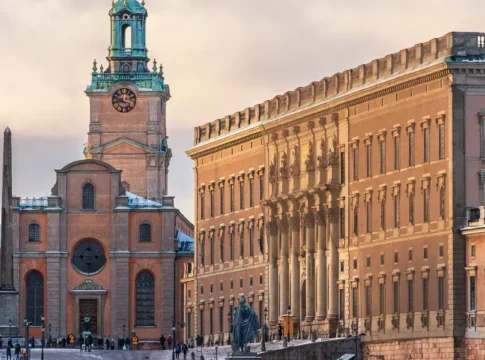
The earliest churches emerged alongside Stockholm’s formation in the 13th century under royal and merchant patronage. Built in brick and stone, they anchored royal authority, merchant wealth, and sacred legitimacy within the fortified island city.
During Sweden’s imperial era, Stockholm expanded beyond its medieval walls. Grand Baroque churches reflected imperial ambition, Lutheran state consolidation, and the expanding geometry of the growing capital. These churches visually expressed Sweden’s era as a European great power.
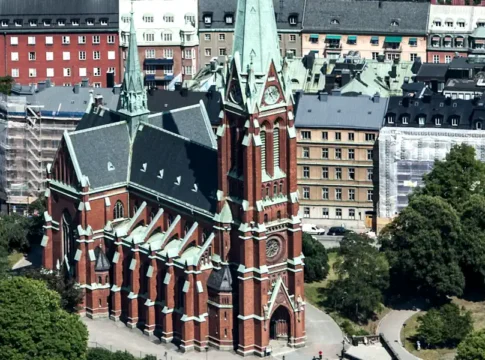
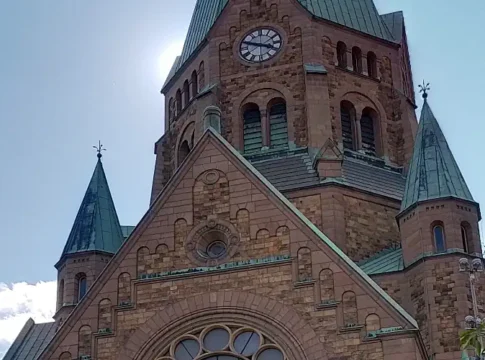
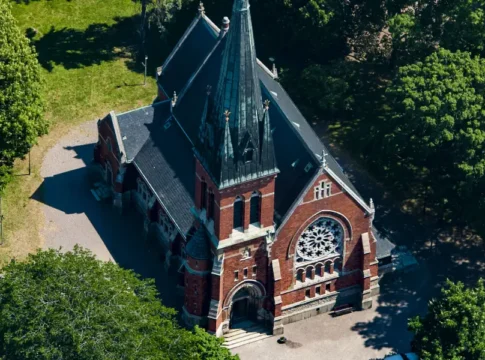
As Stockholm industrialized in the 19th and early 20th centuries, new districts required monumental parish churches. Neo-Gothic spires and National Romantic brickwork reshaped the skyline, asserting religious presence within a rapidly modernizing city. Their monumental scale reflected population growth, industrial wealth, and expanding civic identity.
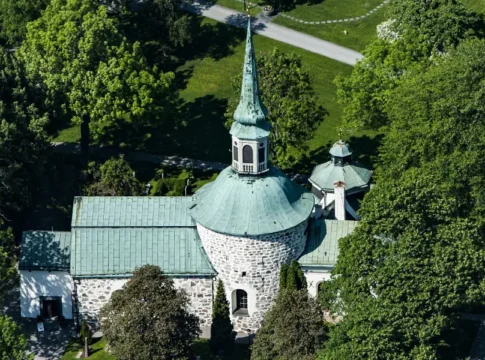
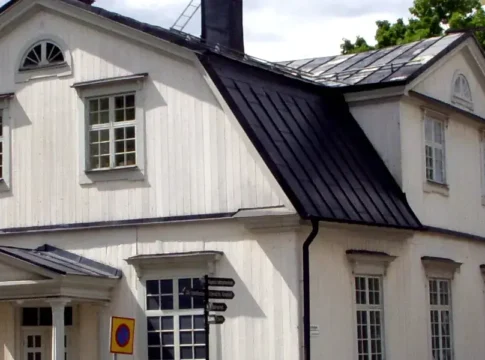
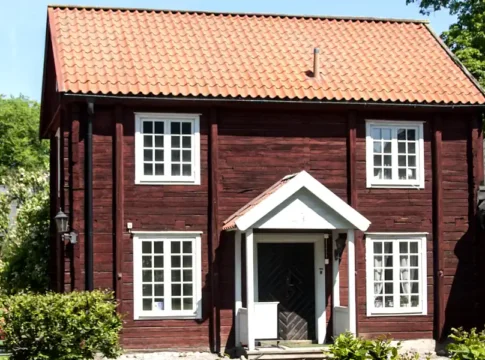
Beyond the grand landmarks, smaller parish churches served neighborhoods, hospitals, and emerging districts. These buildings reflect the social history of Stockholm’s communities.
Most churches are open daily and free to enter, though opening hours vary seasonally. Many host concerts, exhibitions, and liturgical celebrations throughout the year. As active places of worship, visitors are encouraged to dress respectfully and remain mindful during services.
Stockholm’s churches connect directly to the city’s medieval origins, royal ceremonies, and architectural development. Explore related themes:
 In partnership with Agoda