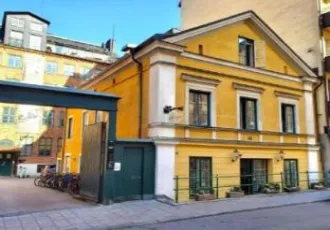


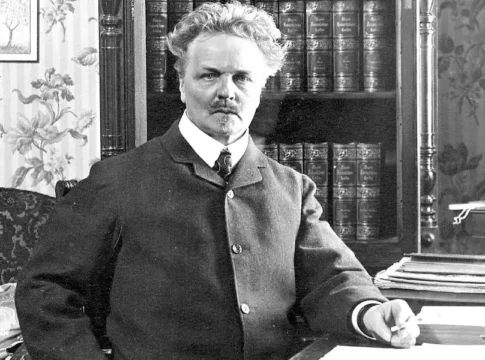
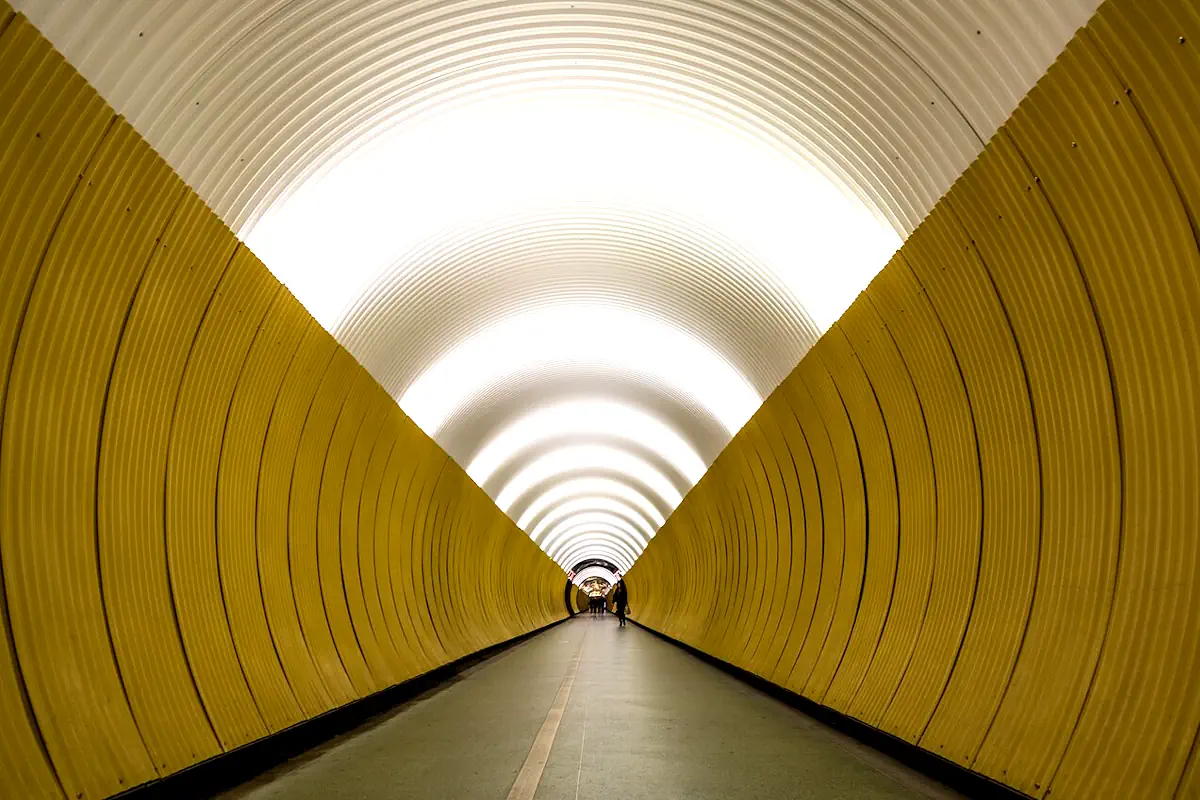
 Photo: Axel Malmström - Digitala stadsmuseet. (CC BY-SA 4.0)
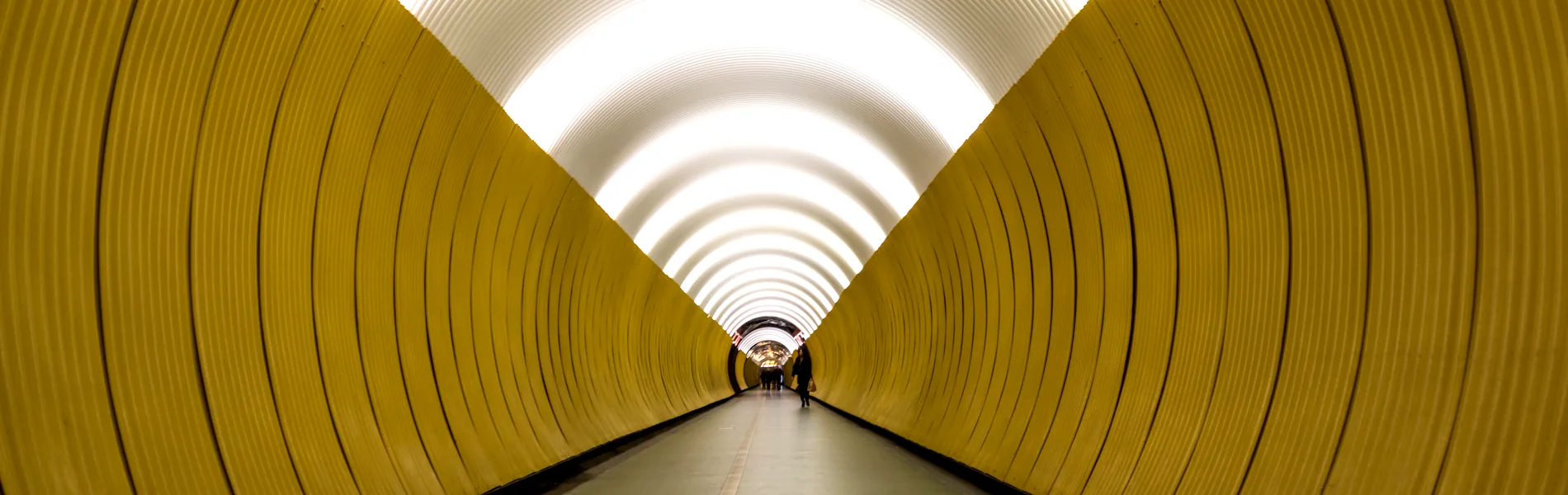
Brunkeberg Tunnel is a historic pedestrian passage cutting through central Stockholm, built in the late 19th century to improve city connections. Its construction and geological setting reveal an important chapter in Stockholm’s urban development.
The Brunkeberg Tunnel (Brunkebergstunneln) is a striking pedestrian and cycling tunnel cutting through Brunkebergsåsen in Stockholm’s Norrmalm district. Conceived in the mid-19th century to overcome the geographic divide between Norrmalm and Östermalm, the idea first surfaced in 1863 as a solution to the city’s growing traffic challenges.
The tunnel forms part of Stockholm’s inner-city network of pedestrian routes, linking central areas and helping visitors move efficiently between districts such as Norrmalm and nearby cultural hubs.
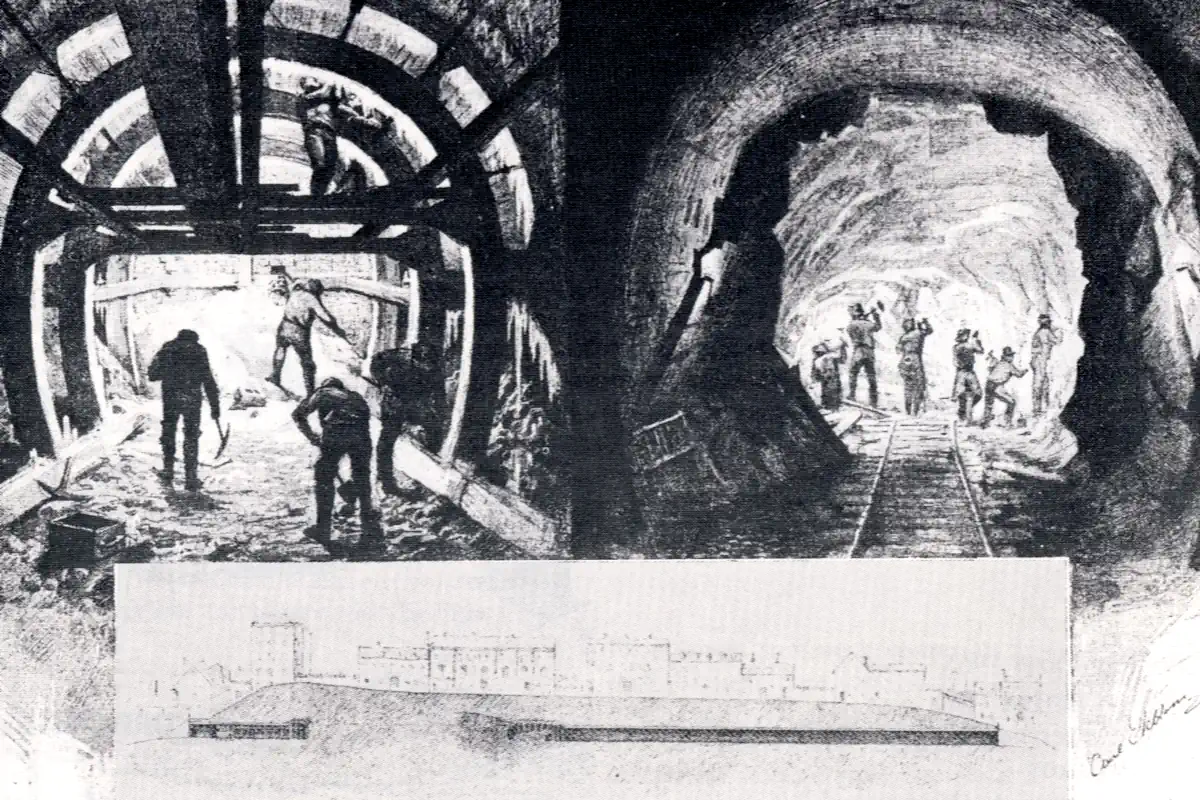
Work began in 1884 under the leadership of engineer Knut Lindmark, who faced difficult conditions including fractured rock and unstable soil. Innovative techniques—such as ground-freezing—were used to stabilize the terrain and allow safe excavation. After two years of arduous work, King Oscar II inaugurated the tunnel on June 9, 1886.
Brunkebergsåsen, a prominent esker formed during the last Ice Age, runs through Norrmalm and has long shaped Stockholm’s urban development. As part of the larger Stockholmsåsen, the ridge was built from sand and gravel deposited by subglacial meltwater. It once served as a natural barrier between the city’s eastern and western neighborhoods and continues to define its topography.
The Brunkeberg Tunnel spans approximately 231 meters in length, 4 meters in width, and 3.9 meters in height. Originally designed to accommodate horse-drawn traffic, it now serves as a modern passageway for pedestrians and cyclists—preserving its 19th-century charm while meeting contemporary needs.
Visitors are greeted by arched ceilings, atmospheric lighting, and a minimalist industrial aesthetic. The tunnel’s walls, a mix of historic and modern materials, create a uniquely photogenic corridor that blends engineering heritage with urban design.
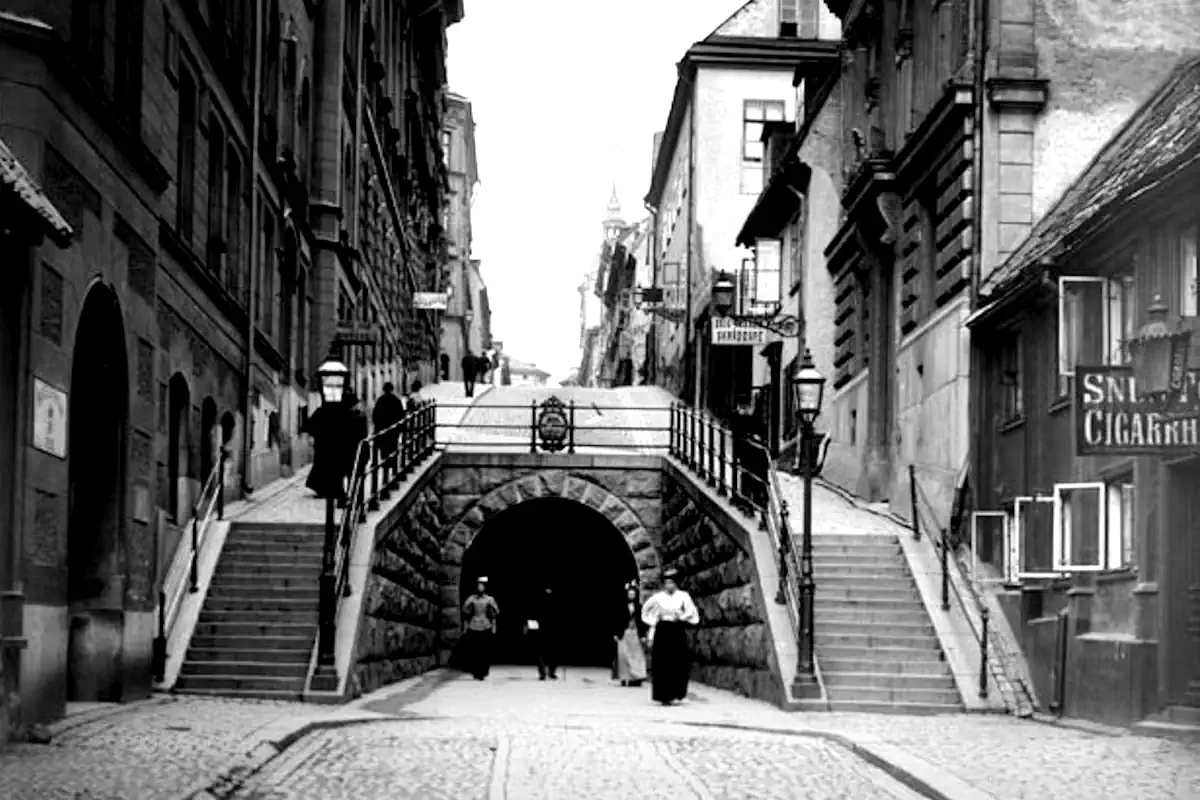
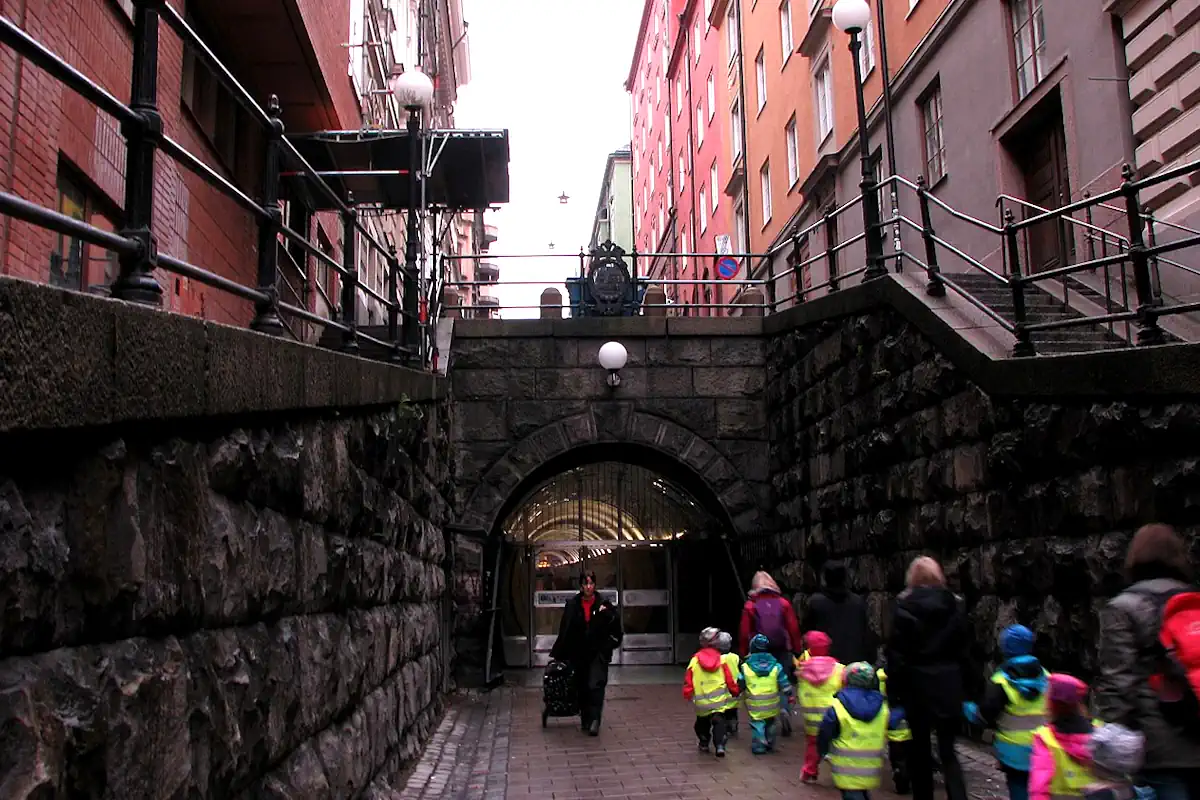
Today, the Brunkeberg Tunnel remains a vital shortcut between David Bagares gata and Tunnelgatan, connecting areas near Hötorget and central Stockholm’s shopping and cultural districts. Open daily from 7 AM to 10 PM, it offers a flat, accessible route that saves time and effort for those navigating Stockholm by foot or bike.
Beyond its functional value, the tunnel has evolved into a cultural landmark. It occasionally hosts art installations and events, drawing photographers and urban explorers eager to experience its unique visual and historical atmosphere.
Its central location also makes it a natural route for those moving between Stockholm’s commercial core and areas leading toward Slussen, one of the city’s key transport and cultural hubs.
The Brunkeberg Tunnel stands as a testament to Stockholm’s 19th-century ingenuity and ongoing commitment to accessible urban design. Whether you’re passing through on foot, seeking out architectural curiosities, or exploring the city’s historic layers, this tunnel offers a distinctive window into the past—especially for those interested in Stockholm’s hidden paths and lesser-known urban spaces, often found just beyond the main streets of central Stockholm.
Brunkeberg Tunnel
Brunkebergstunneln