




 Photo: © StockholmMuseum.com
Semla 2026: Sweden’s Iconic Cream-Filled Bun for Fettisdagen
Semla 2026 is here. Discover why Swedes eat this cream-filled cardamom bun on Fettisdagen (February 17) and why it’s the…

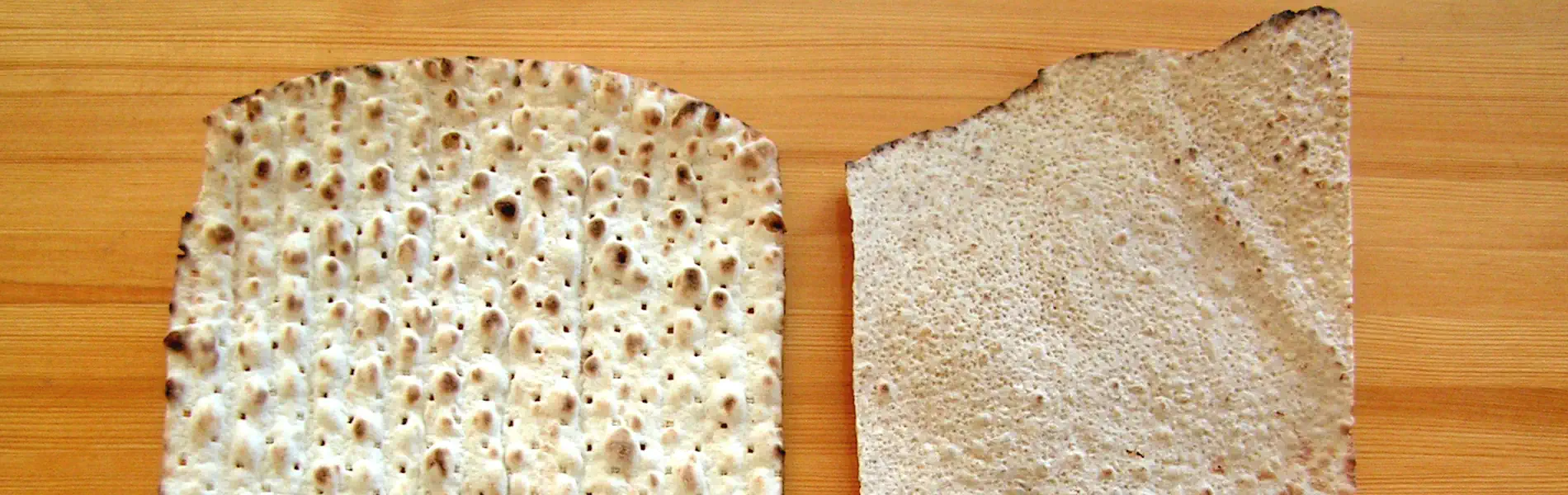
Tunnbröd is a traditional Swedish soft flatbread with roots in northern Sweden and Sámi food culture. Known for its flexibility and versatility, it has evolved from a practical staple into a key part of modern Swedish cuisine, used in everything from simple meals to the iconic tunnbrödsrulle.
In the northern reaches of Sweden, where long winters and vast distances shaped everyday life, food needed to be practical, nourishing, and long-lasting.
From this environment emerged tunnbröd—“thin bread”—a soft, flexible flatbread that has sustained generations and remains a beloved part of Swedish cuisine today.
Simple in ingredients yet rich in tradition, tunnbröd bridges past and present. From rustic bakehouses to modern street food kiosks, it continues to evolve while staying deeply rooted in Swedish food culture.
Tunnbröd has its origins in northern Sweden, where communities required food that could be stored, transported, and prepared with ease. For rural households and the Sámi people, this thin bread became an essential part of daily life.
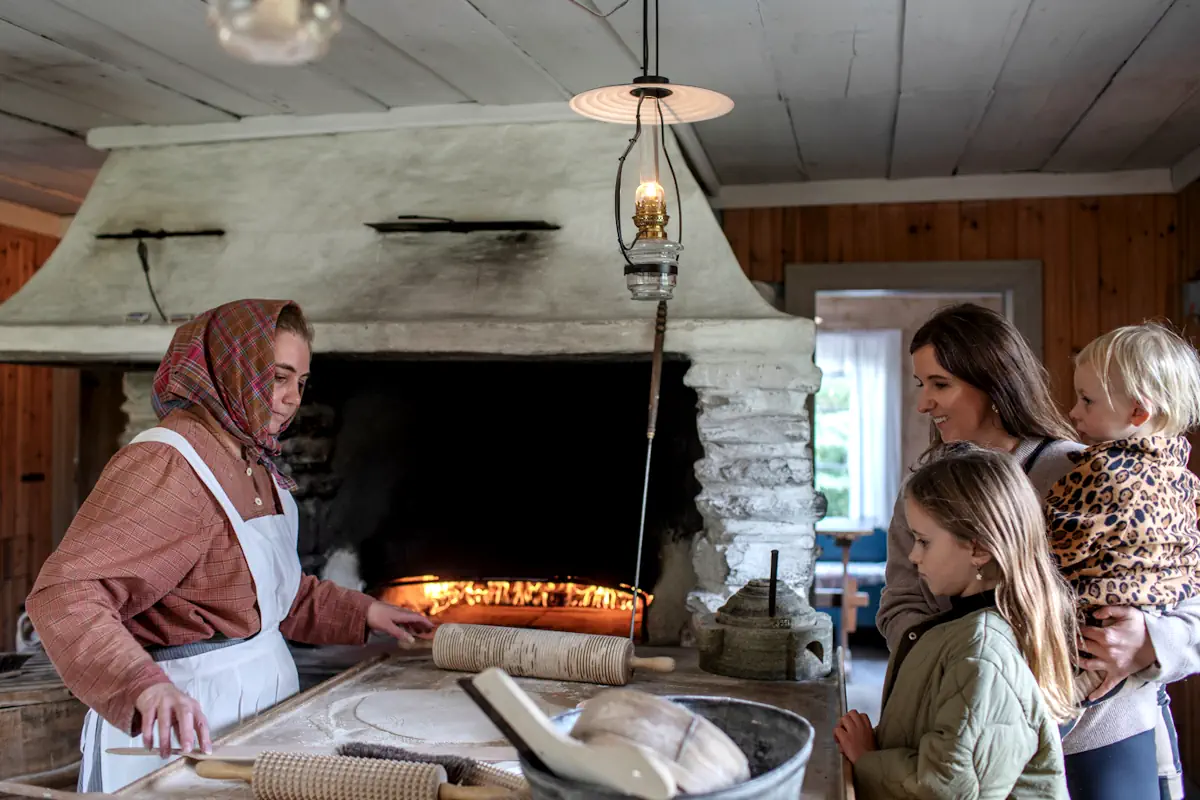
Baked quickly and often over open fires or on griddles, tunnbröd could be eaten fresh or preserved for later use. Its adaptability made it invaluable—soft enough to wrap around food, yet durable enough to last through harsh conditions.
Over time, regional variations developed:
Today, tunnbröd is more than a historical staple—it remains an active part of Swedish food culture. It appears in everyday meals, festive gatherings, and even within elements of Sweden’s beloved fika traditions.
At Skansen, Stockholm’s open-air museum, visitors can step into a traditional bakehouse and watch tunnbröd being made by hand in wood-fired ovens. The process—rolling, baking, and turning the bread—offers a vivid glimpse into Sweden’s culinary heritage.
One of tunnbröd’s greatest strengths is its versatility. It works equally well in simple, traditional meals as in modern, fast-paced food culture.
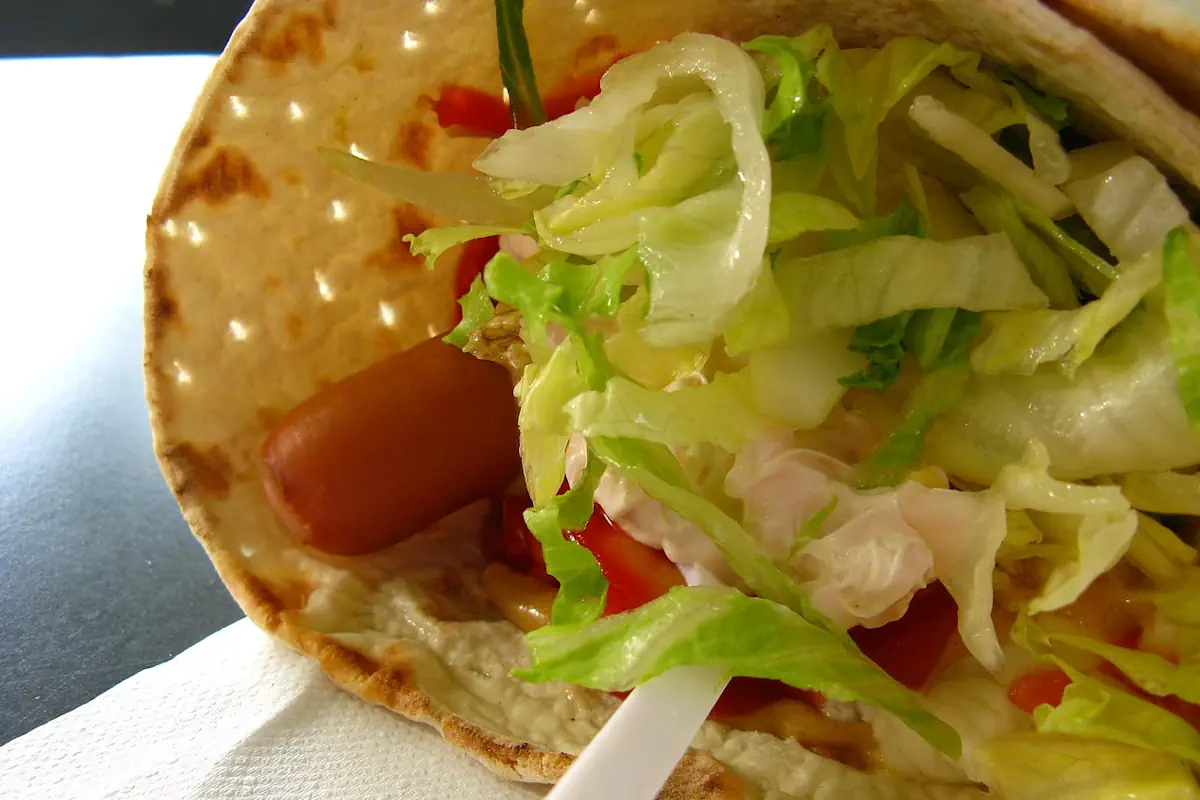
Its most iconic modern form, however, is the tunnbrödsrulle—a uniquely Swedish street food wrap. Filled with sausage, mashed potatoes, shrimp salad, and crispy onions, it’s a combination that may surprise at first—but has become a national favorite. Found at kiosks across Sweden, it represents how traditional foods continue to adapt to contemporary tastes.


For those visiting Stockholm, experiencing tunnbröd firsthand adds a deeper layer to understanding Swedish culture.
At Skansen, you can watch traditional baking techniques in action and taste bread prepared much as it was centuries ago. Across the city, tunnbröd also appears in cafés, markets, and street food stands—bridging heritage and modern life.
Tunnbröd
Tunnbröd