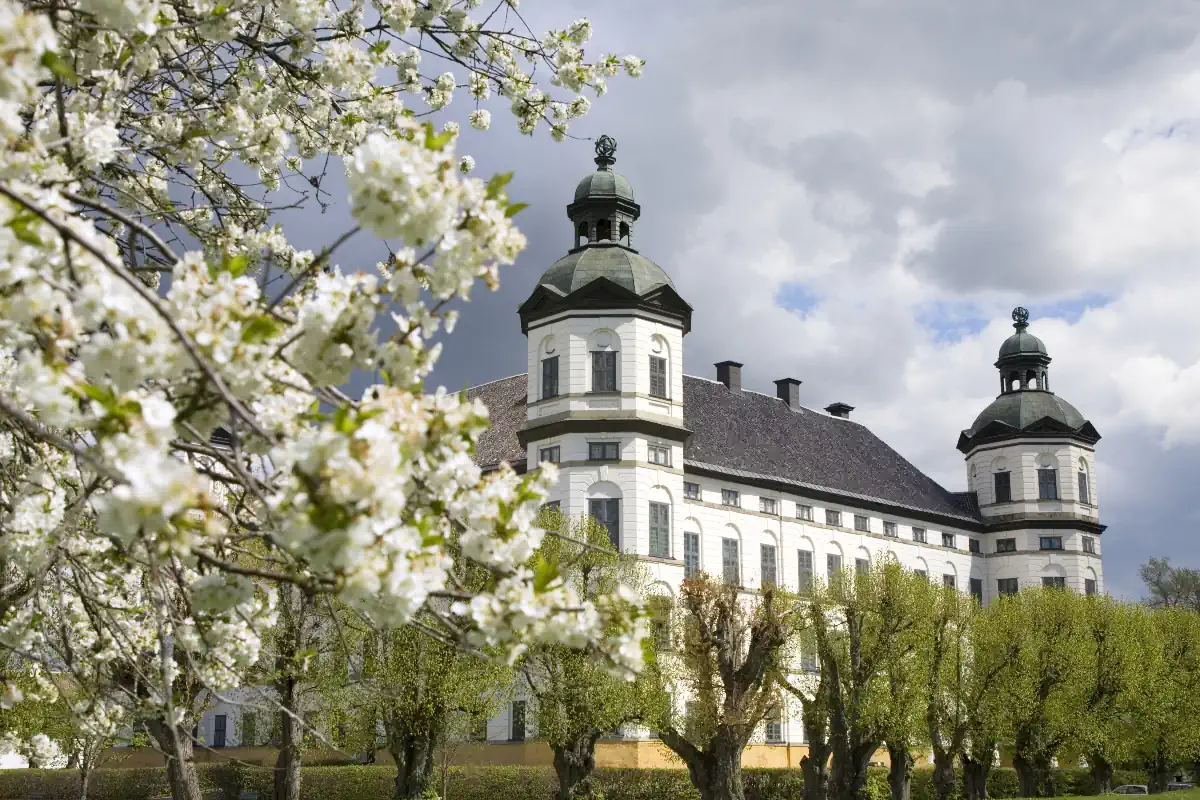
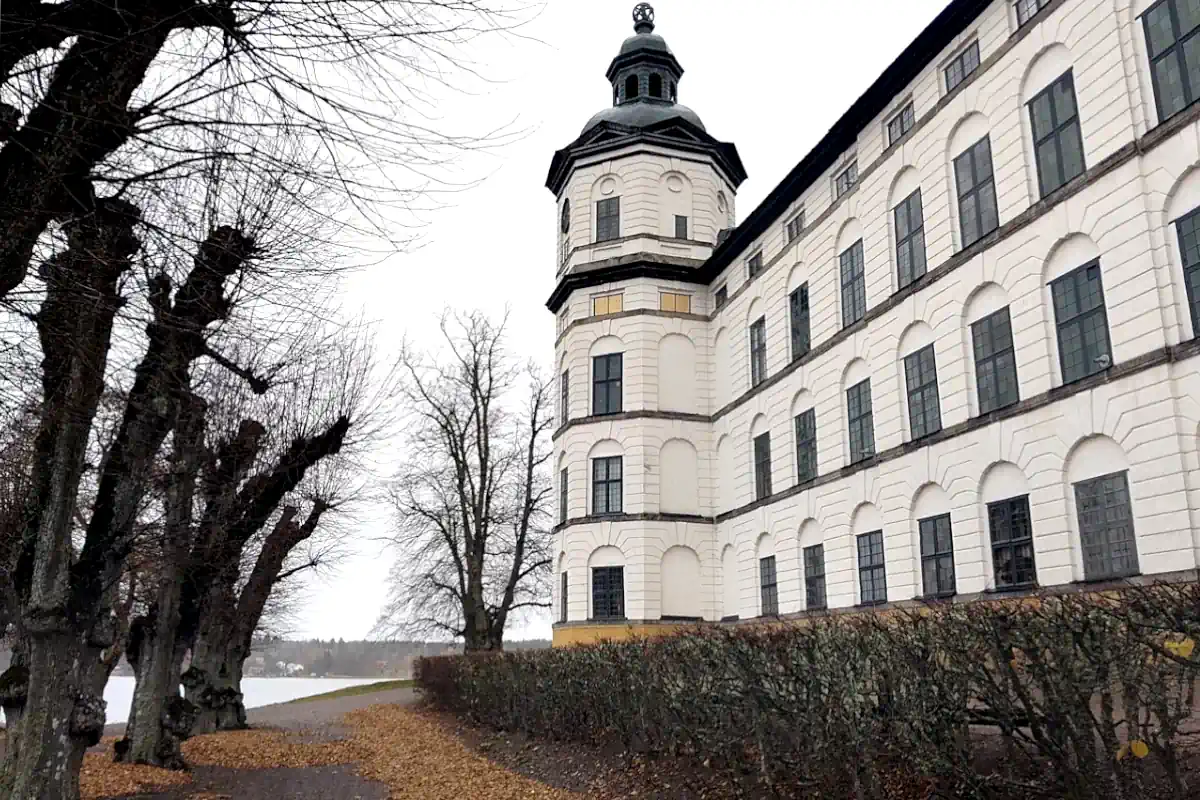
Skokloster Castle is a 17th-century Baroque residence on Lake Mälaren, built by Carl Gustaf Wrangel. It is one of Europe’s best-preserved noble estates, with interiors and collections that reflect Sweden’s aristocratic history.
Skokloster Castle: Opulent Tapestry of Swedish History
Perched on the tranquil shores of Lake Mälaren, the castle belongs to a landscape dotted with historic estates and fortresses, including Gripsholm Castle, another famous landmark of Swedish history. Skokloster Castle is one of Europe’s finest preserved Baroque residences.
Built in the 17th century by the wealthy and influential military leader Carl Gustaf Wrangel, the castle invites visitors into a remarkably intact world of art, power, and craftsmanship. The estate dates from the same era of expansion that produced great royal residences such as Drottningholm Palace near Stockholm.
Discover Skokloster’s Rich History
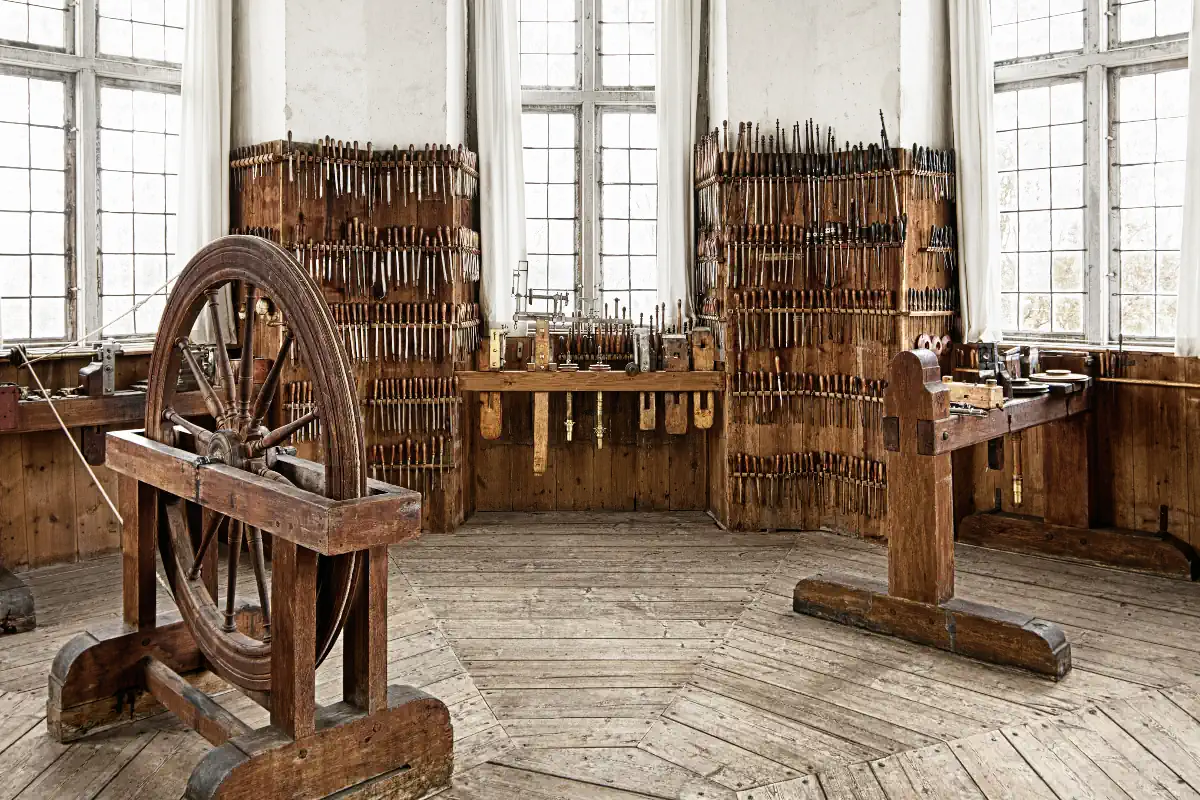
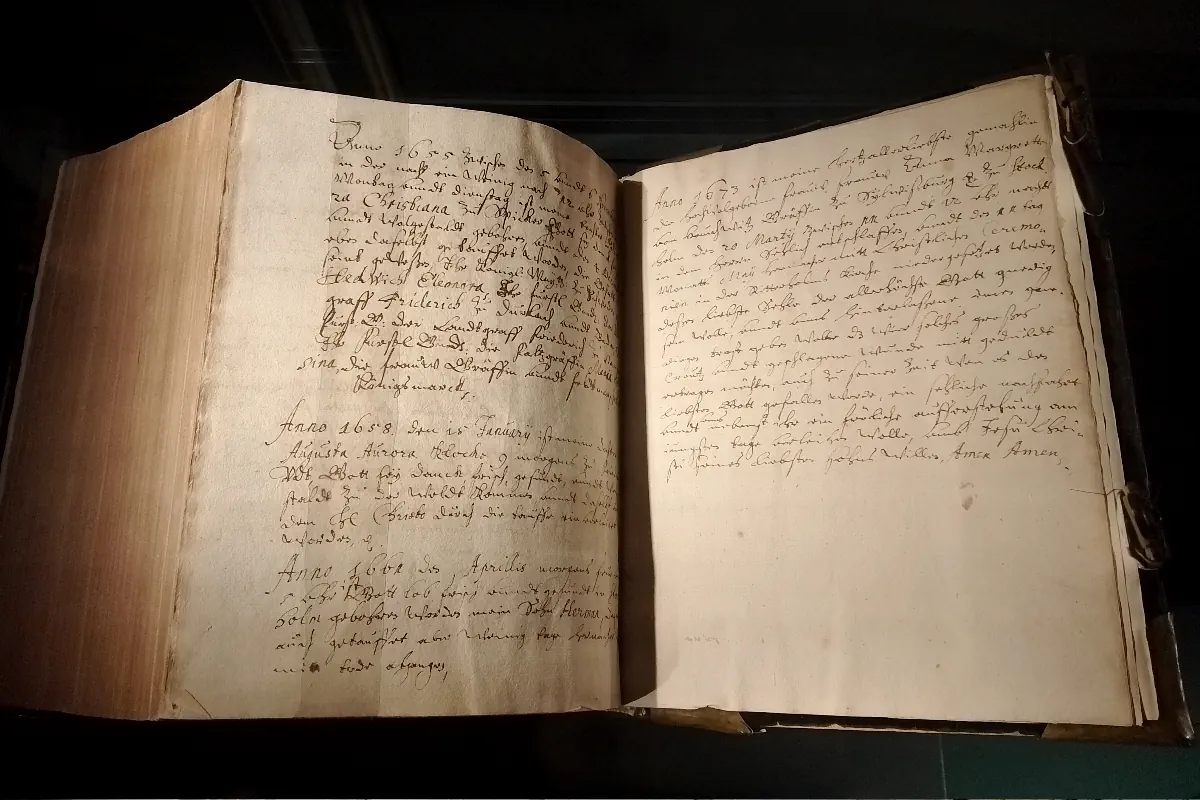
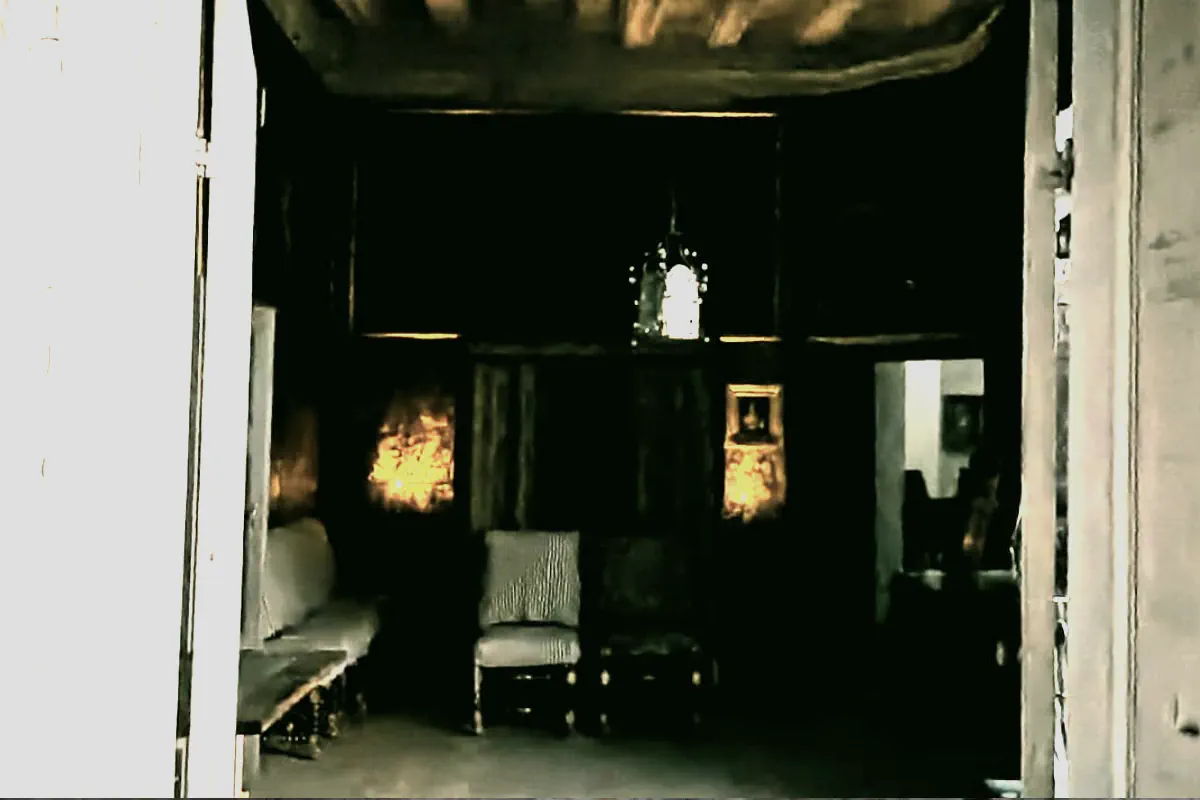
Step inside to explore a vast collection of 17th-century paintings, tapestries, furniture, and arms. Highlights include masterpieces by Anthony van Dyck, David Klöcker Ehrenstrahl, and Peter Paul Rubens. The extensive library, housing thousands of works from the 16th to 19th centuries, is a bibliophile’s dream. Meanwhile, the arms hall displays rare armor and weaponry from Europe and beyond—illustrating Sweden’s military might during its Age of Greatness.
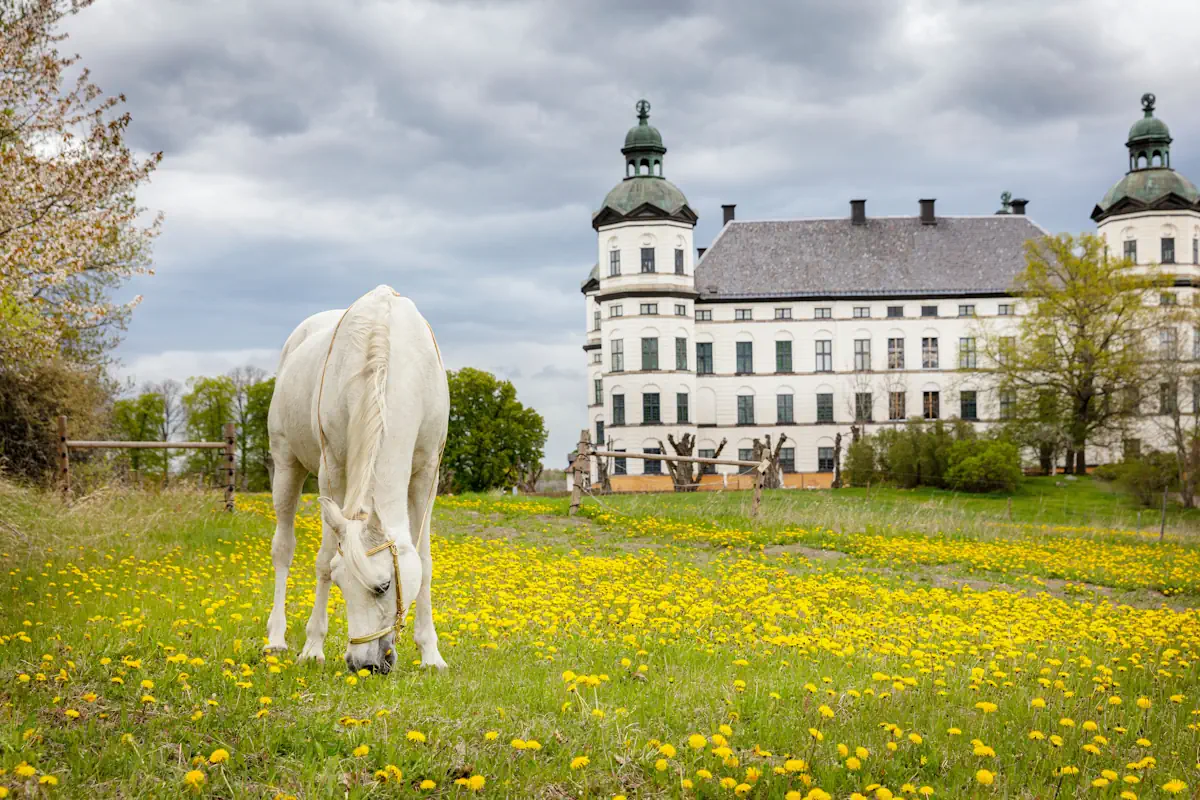

A Baroque Oasis of Heritage and Splendor
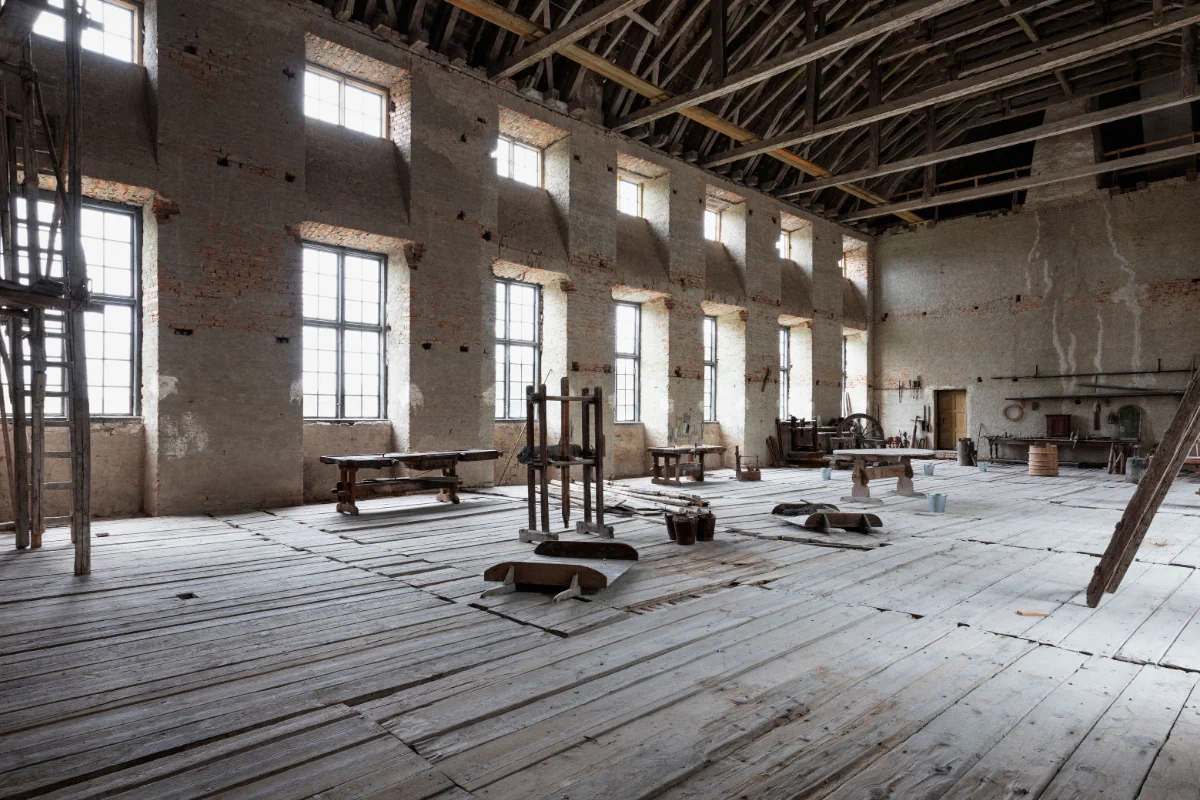
The surrounding 400-hectare estate includes formal gardens, a pleasure garden, and a meticulously restored Baroque-style park. Guided tours offer access to the castle’s majestic rooms and unfinished banquet hall. Visitors can also unwind at the café or browse unique finds in the castle shop. Whether you’re passionate about military history, European art, or landscape design, Skokloster is an unforgettable destination.
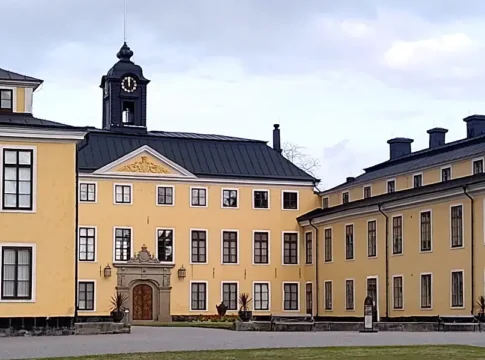
Like the later royal retreat of Ulriksdal Palace, Skokloster demonstrates how architecture and landscape design were used to display prestige and refinement.


Carl Gustaf Wrangel: A Swedish Historical Stalwart
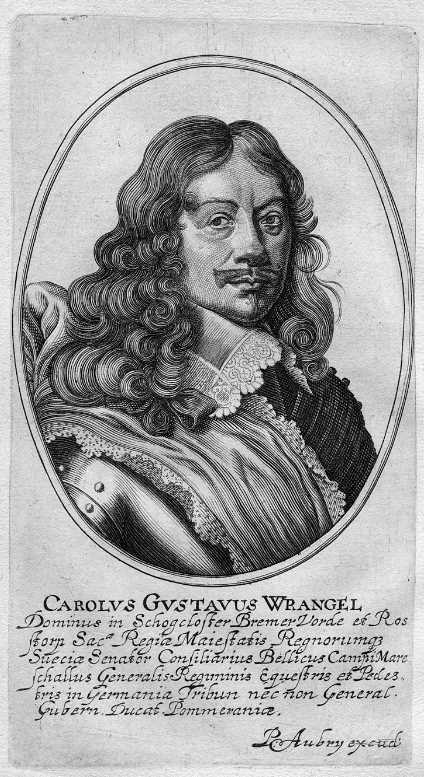
Born in Skokloster in 1613, Carl Gustaf Wrangel emerged as one of Sweden’s most prominent military commanders and political figures. He led troops in pivotal battles such as Breitenfeld and Nördlingen during the Thirty Years’ War and played key diplomatic roles in shaping Northern Europe.
As Governor-General of Swedish Pomerania and President of the Privy Council, Wrangel’s influence extended well beyond the battlefield. His home, Skokloster Castle, remains a physical testament to his ambition, wealth, and status—a lasting legacy etched into Sweden’s historical landscape.
His influence extended well beyond the battlefield, shaping Sweden’s political life in Stockholm, where the monarchy ruled from the Royal Palace.



Plan Your Visit to Skokloster Castle
Skokloster Castle is more than a museum—it’s a window into Sweden’s Baroque golden age. Whether you’re drawn by its art collections, tranquil grounds, or architectural grandeur, a visit offers an inspiring journey into the past.
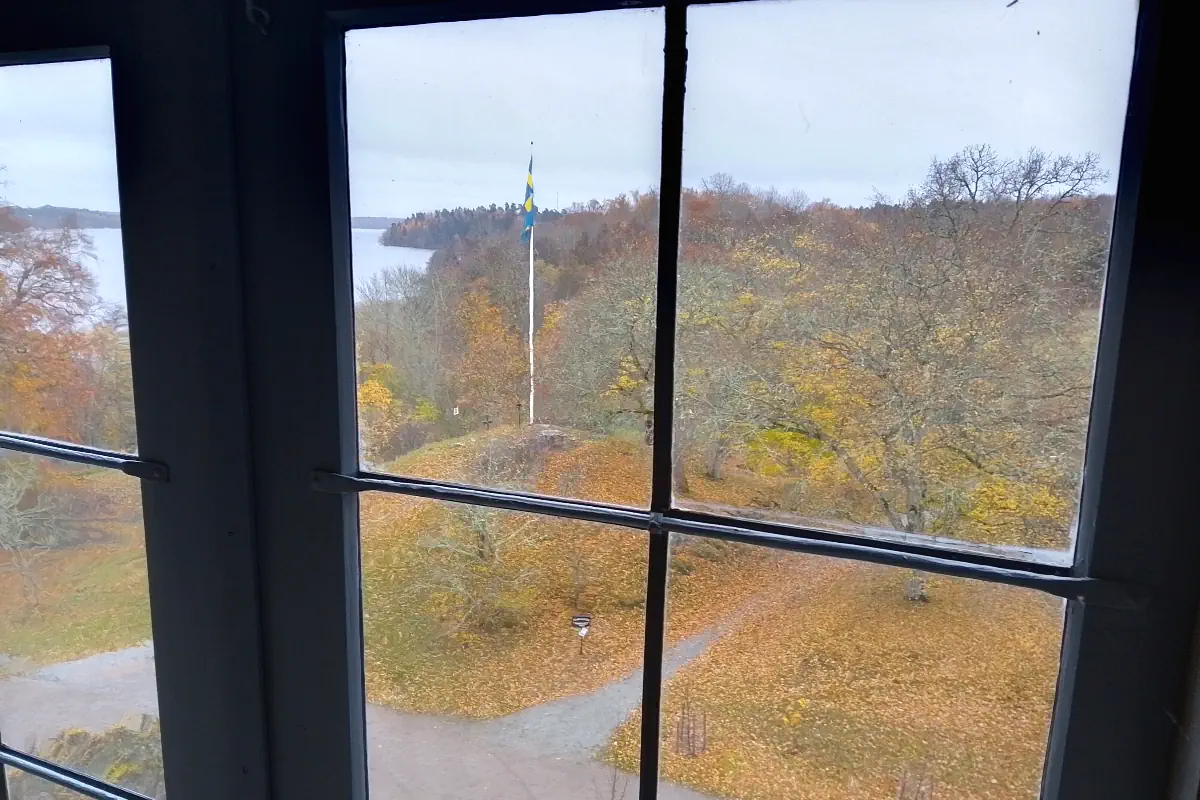
Come for the majestic halls and stay for the peaceful lake views. Step back in time and experience the splendor of one of Europe’s best-preserved 17th-century estates.
Visitor Information
- 🕰️Opening Hours:
- Summer (June–August): Monday–Sunday, 11:00 AM–5:00 PM
- Winter: Closed (open for booked group tours)
- 📍Address: Skoklosters Slott, 746 96 Skokloster
- 🚶♀️Getting There: Accessible by car from Stockholm via E18. Public transport is available via Uppsala or Bålsta, followed by local bus or taxi. Free parking is available on-site.
- 🔍What to Expect: Baroque interiors, rare paintings, an unfinished banquet hall, arms and armor exhibits, castle gardens, and lake views.
- 🎟️Admission: Entry fees apply. Youth under 19 enter free. Group rates available.
- 🎧Guided Tours: Offered daily during high season. Special interest and school tours can be booked in advance.
- ☕Café: The castle café serves homemade lunches, cakes, and drinks. Seasonal opening hours apply.
🏰 Royal Palaces and Castles North of Stockholm
Skokloster Castle stands among several remarkable royal residences north of Stockholm that together illustrate Sweden’s aristocratic and royal heritage. Visitors exploring the historic estates north of Stockholm may also enjoy Rosersberg Palace, another beautifully preserved residence reflecting Sweden’s aristocratic and royal heritage. Other grand estates from Sweden’s Great Power Era include Steninge Palace, another Baroque residence designed by Nicodemus Tessin the Younger.
Browse a curated selection of royal sites in our Stockholm palaces and castles overview.