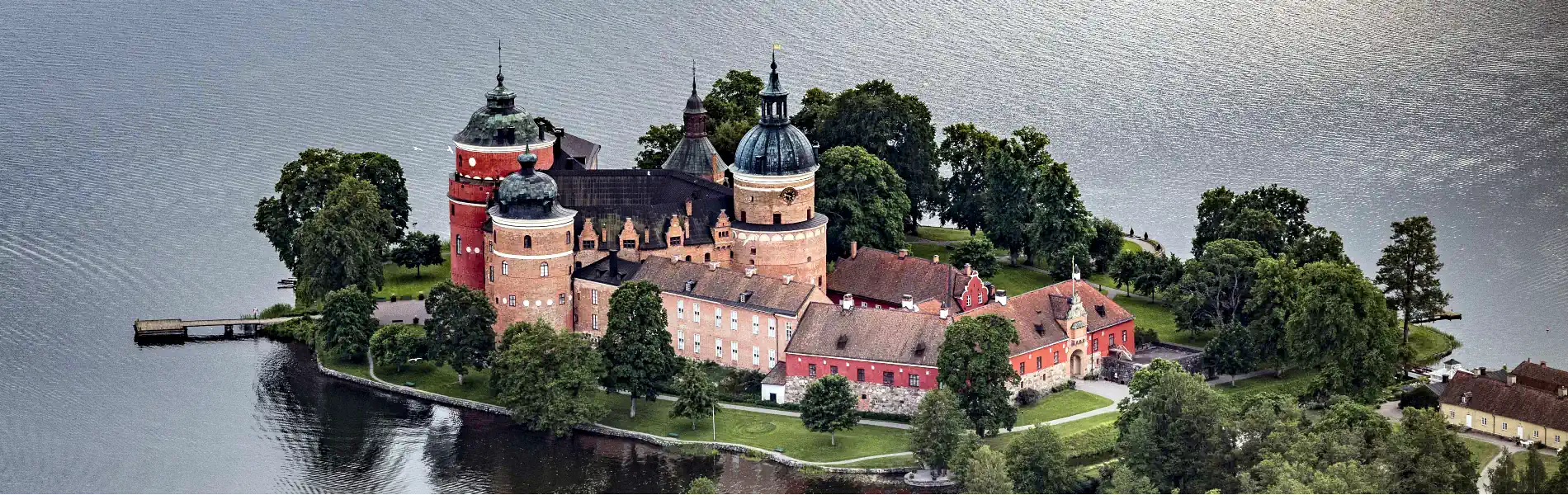
Gripsholm Castle in Mariefred is a Renaissance castle overlooking Lake Mälaren, known for its royal history and extensive portrait collection. Built in the 16th century, it offers insight into Swedish monarchy and architecture across several centuries.
Gripsholm Castle: Timeless beauty by Lake Mälaren
Rising above the scenic shores of Lake Mälaren, Gripsholm Castle is one of Sweden’s most iconic Renaissance fortresses. Just 60 kilometers southwest of Stockholm, this majestic stronghold offers a fascinating journey through over 500 years of Swedish royal history and architectural evolution.
Alongside Drottningholm Palace and Stockholm’s Royal Palace, Gripsholm forms part of Sweden’s historic network of royal residences. It also played a central role in the political upheaval of 1809, when the deposed king Gustav IV Adolf was held here during the crisis that led to Sweden’s new constitutional framework. Read more about the 1809 Swedish Constitution.


Gripsholm Castle as a visitor destination
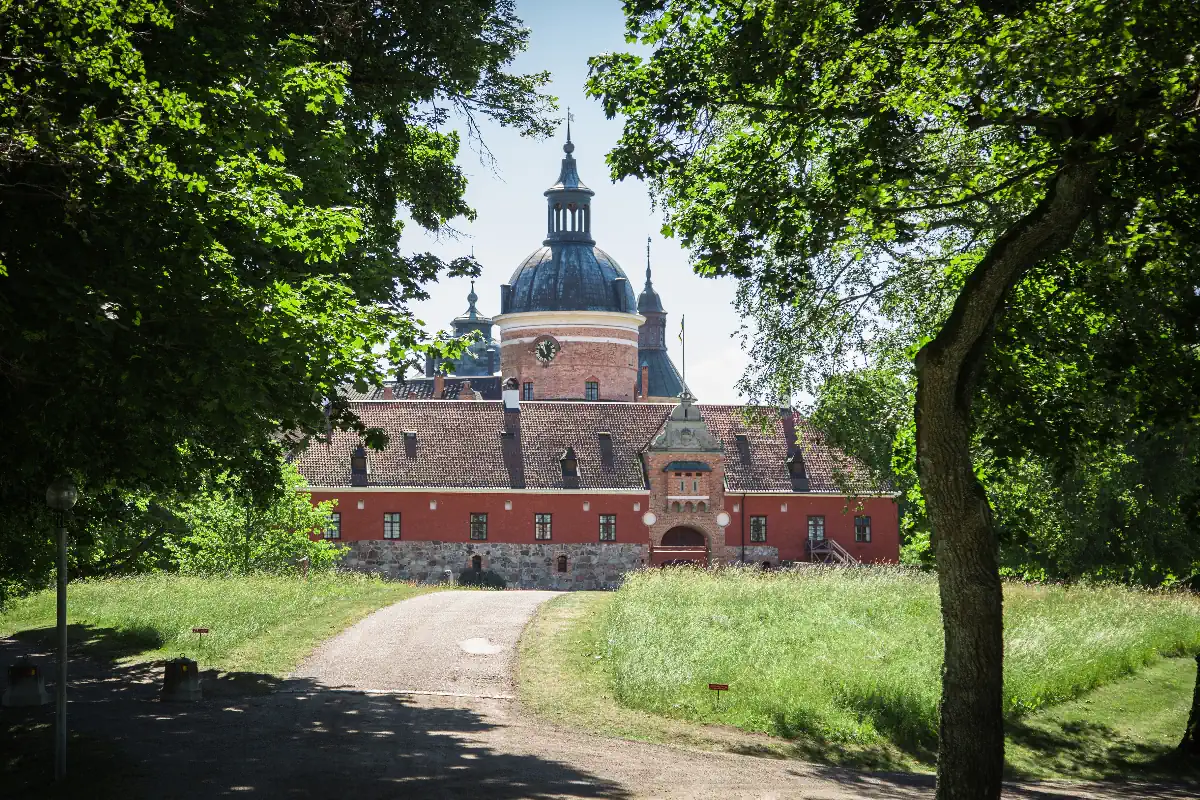
Beyond its historical and cultural significance, Gripsholm is also a beloved visitor destination. Its striking red-brick towers, rounded bastions, and panoramic lake views create a storybook setting that draws visitors year after year.
Inside, one of the castle’s most unexpected highlights is the famous taxidermy lion. In the 18th century, King Frederick I received a lion as a diplomatic gift. After the animal’s death, it was entrusted to a taxidermist who had never seen a real lion in life. Working from heraldic emblems and second-hand descriptions, he produced a wonderfully inaccurate reconstruction. Today, the wide-eyed “Leo” has become a cult favorite at Gripsholm—an endearing reminder that royal prestige and human fallibility often share the same room.
If you are exploring more of Lake Mälaren’s historic shoreline, Taxinge Palace offers another lakeside estate, known for its gardens, cultural history, and celebrated Swedish fika.
History and construction
Gripsholm Castle’s origins date back to the 1370s, when the powerful nobleman Bo Jonsson Grip constructed a defensive stronghold on the island. In 1537, King Gustav Vasa commissioned the transformation of the medieval fortress into a Renaissance royal residence, marking the beginning of the castle’s long-standing association with Sweden’s monarchy.
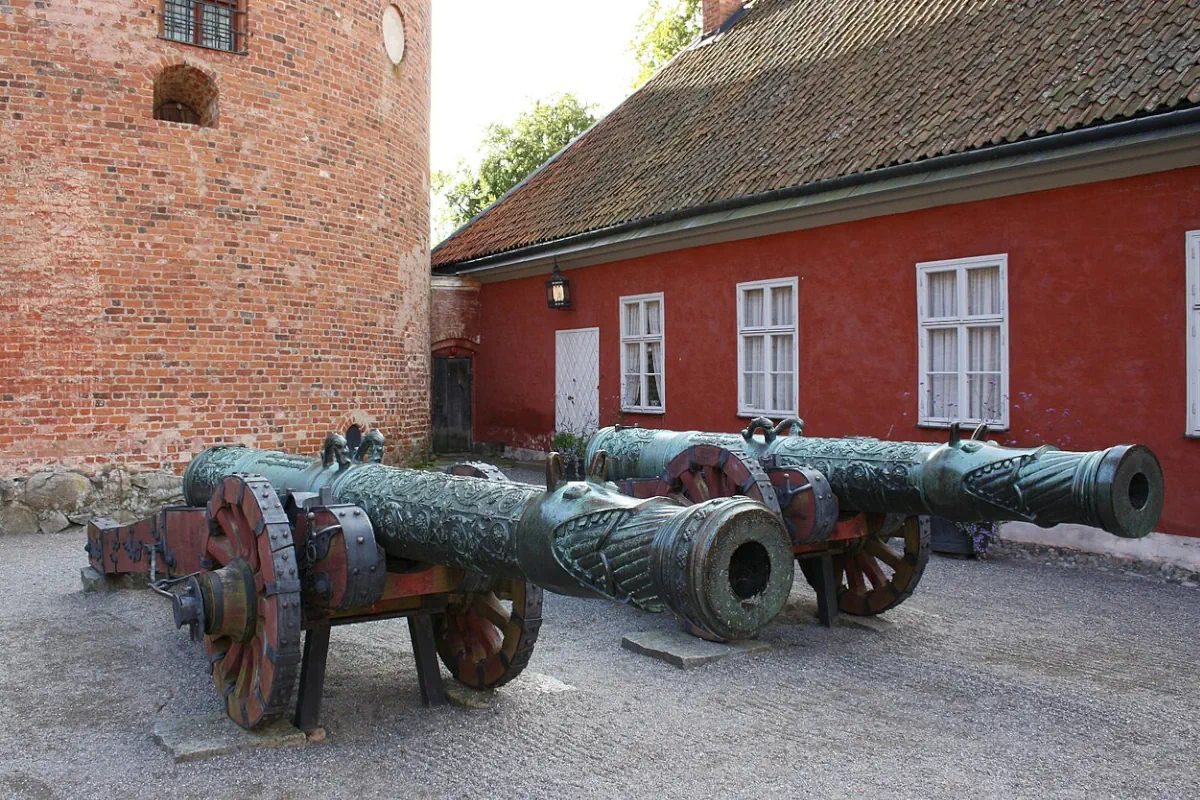
Over the centuries, Gripsholm has been rebuilt, expanded, and adapted to changing royal needs. Its thick walls and round towers still reveal its defensive past, while later interiors reflect the tastes of different dynasties—from Vasa austerity to 18th-century theatrical splendor.

Hertig Karls kammare (Duke Charles’ Chamber)
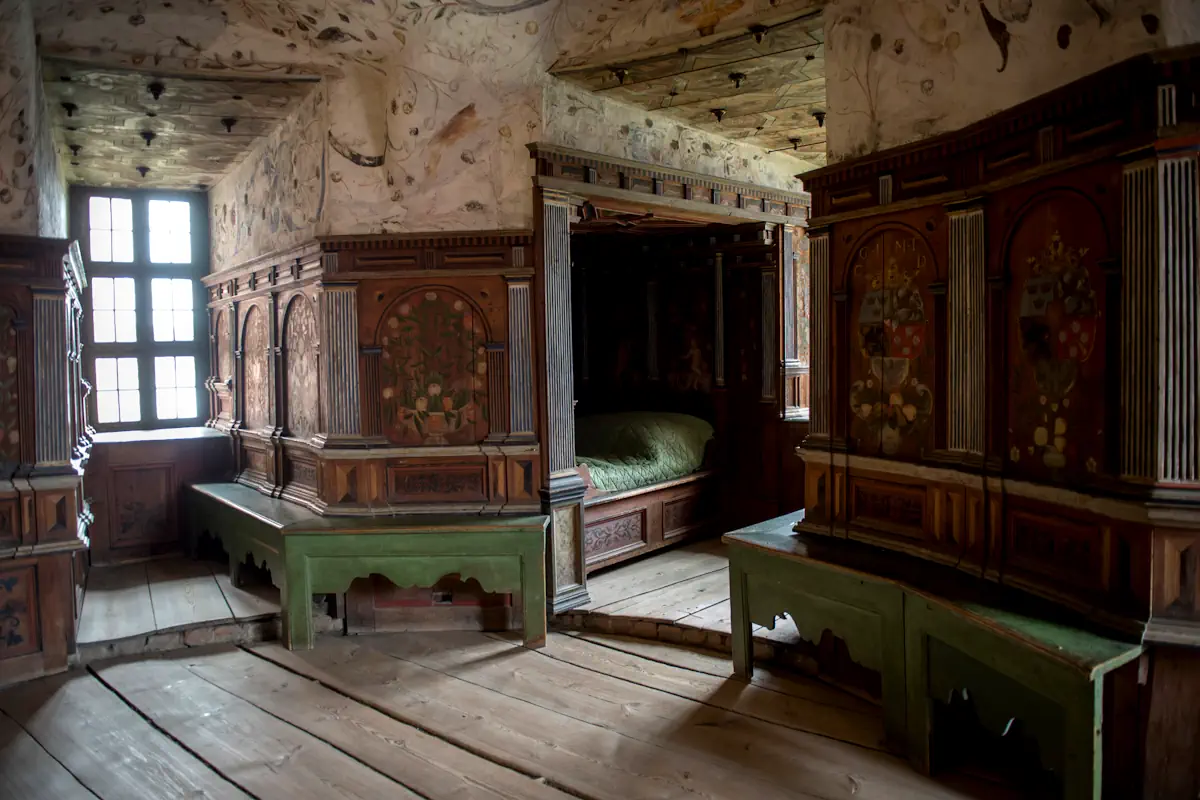
One of Gripsholm’s most remarkable interiors is Hertig Karls kammare (Duke Charles’ Chamber), created in the 1570s by Charles IX (Karl IX), son of Gustav Vasa. Situated on the ground floor of the former prison tower, it is one of the oldest preserved Renaissance interiors in Sweden.
The semi-circular room includes an open fireplace, deep alcove bed, window seating, and even a private toilet room—a rarity for the era. Its largely unaltered design showcases early Scandinavian interpretations of European High Renaissance style. The chamber later served as a prison for high-profile figures, including King Johan III and his family, adding another layer of drama to its history.
Other must-see attractions
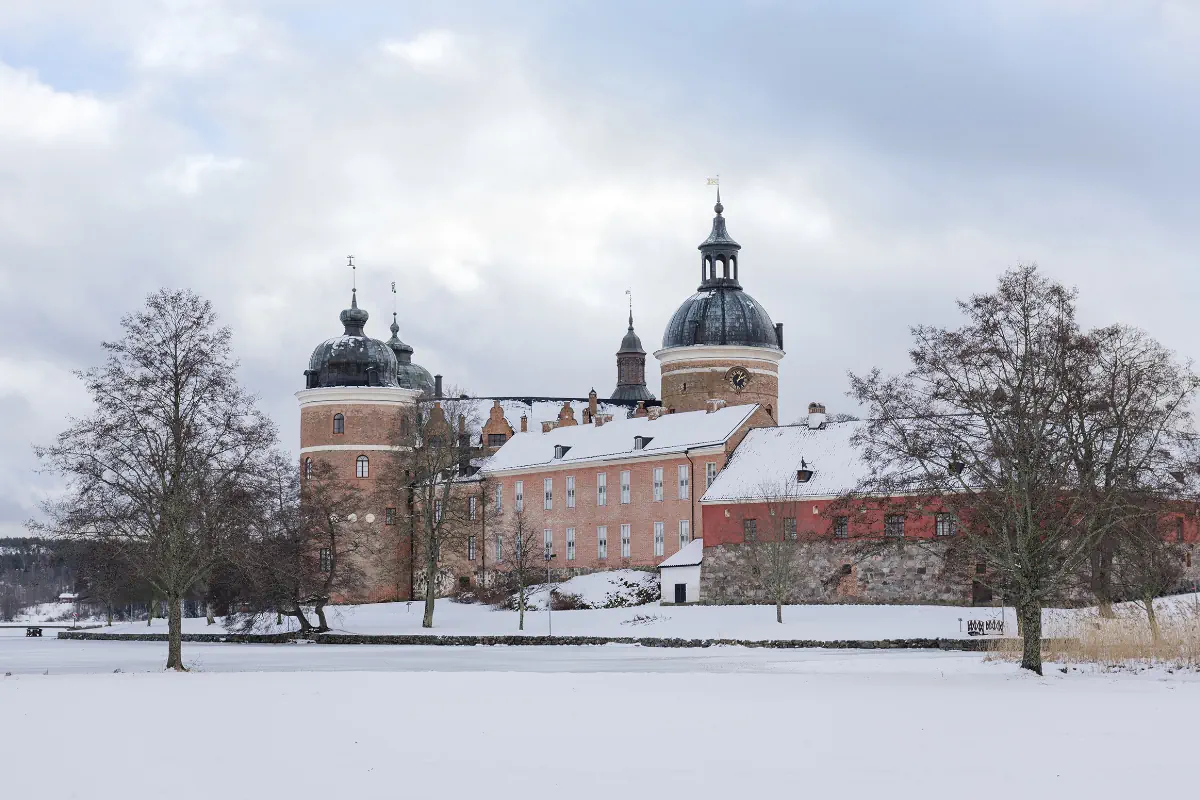
- The castle exterior: Explore the majestic red-brick walls, Renaissance towers, and scenic ramparts that frame the castle against Lake Mälaren’s shoreline.
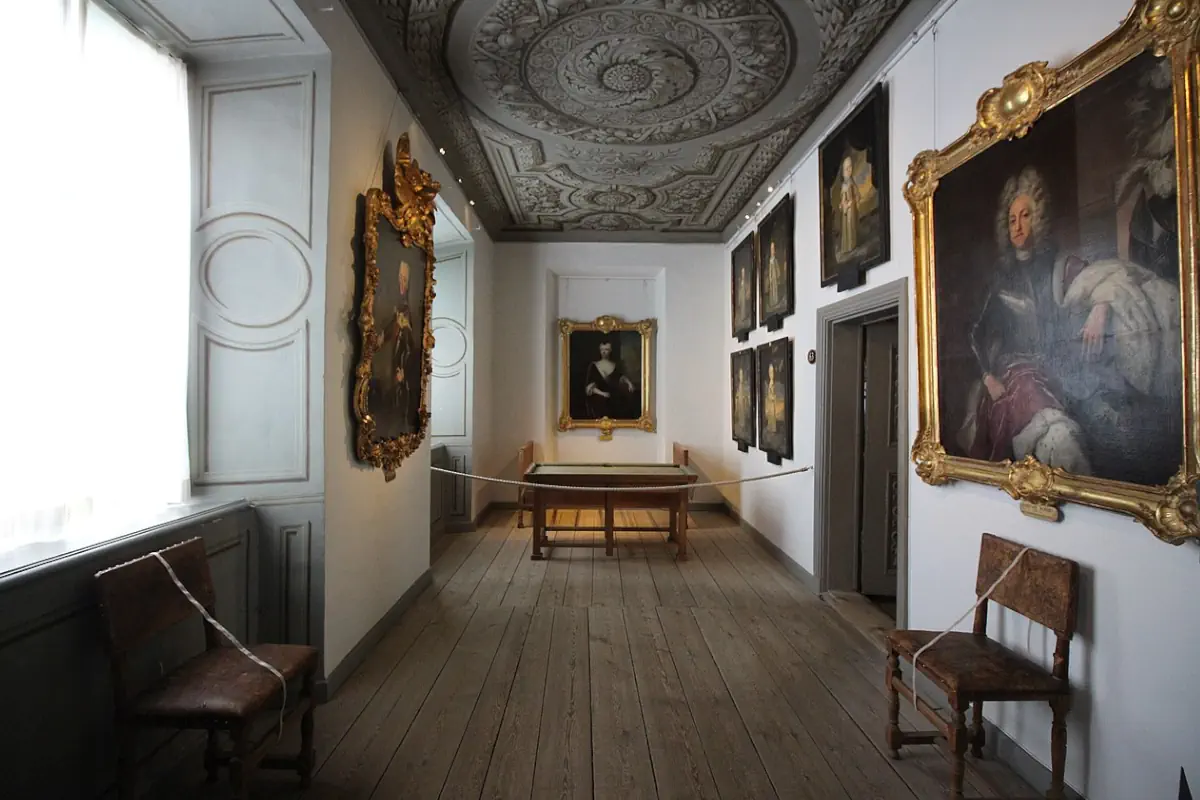
- National Portrait Gallery: Discover Sweden’s oldest portrait collection, featuring notable Swedes from the 1500s to today—including masterpieces by Alexander Roslin.
- Royal apartments: Walk through richly furnished rooms with tapestries, paintings, and decorative objects that trace centuries of royal life.
- Gustav III’s theatre: A rare 18th-century court theatre inside one of the castle towers, restored and occasionally used for performances.
- The castle gardens: Stroll through landscaped gardens and serene lakeside lawns—ideal for photos, picnics, and quiet reflection.
Visitor information
- Getting there: Travel by SJ regional trains or SL commuter services to Läggesta, then continue by bus or heritage train to Mariefred. Parking is available near the castle grounds for those arriving by car.
- What to expect: Renaissance architecture, Vasa-era interiors, the National Portrait Gallery, Gustav III’s theatre, and the famous taxidermy lion.
- Admission: Entrance fees apply, with discounts for students, seniors, and children.
- Guided tours: Offered daily in summer in Swedish and English. Group and school visits can be booked in advance.
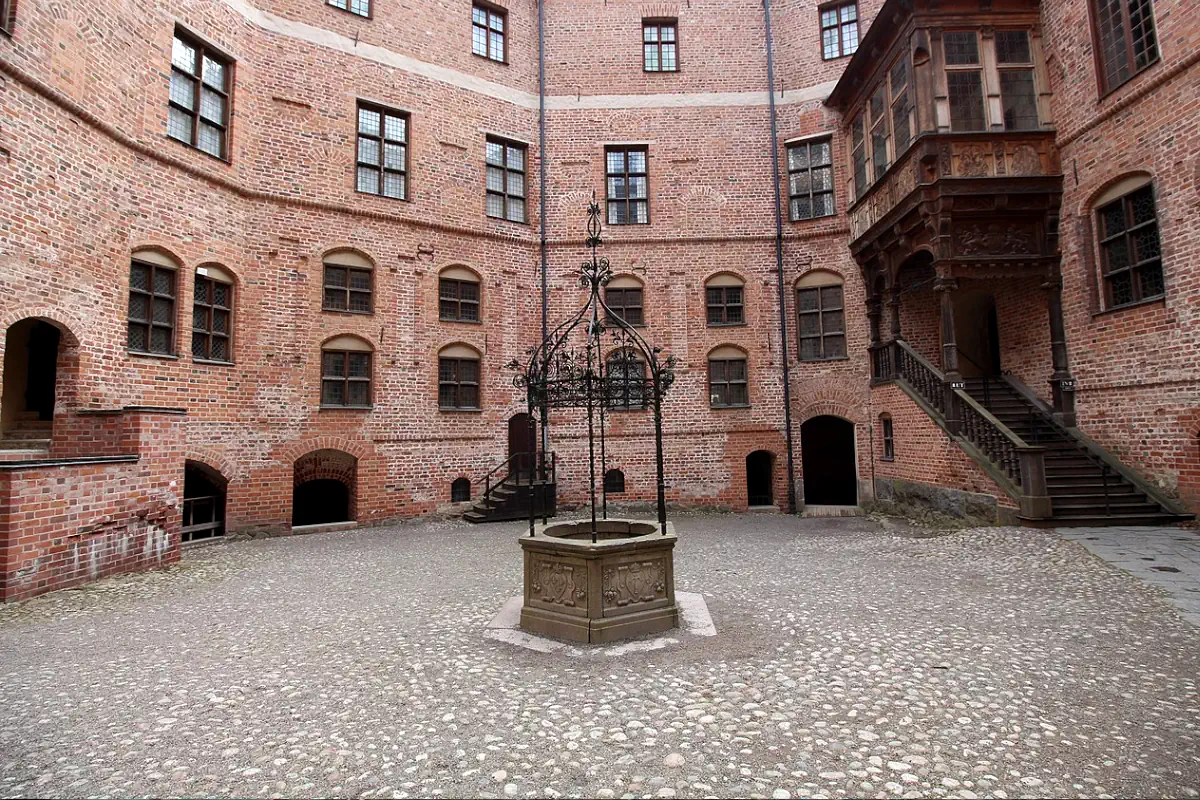
- Café: Seasonal cafés and small shops operate in the courtyard and in central Mariefred.
Nearby attractions
Gripsholm Castle sits at the heart of a culturally rich and naturally beautiful region. While visiting, consider exploring:
- Gripsholm Deer Park: A tranquil park with views of grazing deer and open water.
- Mariefred’s historic center: Cobbled streets lined with 18th- and 19th-century houses, boutiques, and cafés.
- The Mariefred Railway Museum: Vintage trains and exhibits on Sweden’s rail history.
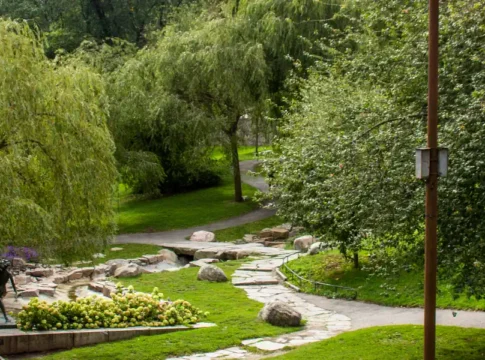
- A picturesque English park: Landscaped paths and lakeside views perfect for slow walks and photography.
Gripsholm Castle also stands as a testament to the era shaped by Gustav Vasa’s political transformation, which centralized Sweden’s sovereignty in the 16th century and laid the foundations for the modern state.
For a broader overview of royal architecture in and around Stockholm, see our curated Stockholm palaces and castles overview, where Gripsholm appears alongside Drottningholm, the Royal Palace, and other key residences.
Explore how waterways shaped the region’s history, geography, and public spaces.
Explore palaces, ceremonies, dynastic history, and the architecture of Swedish monarchy.
 In partnership with Agoda