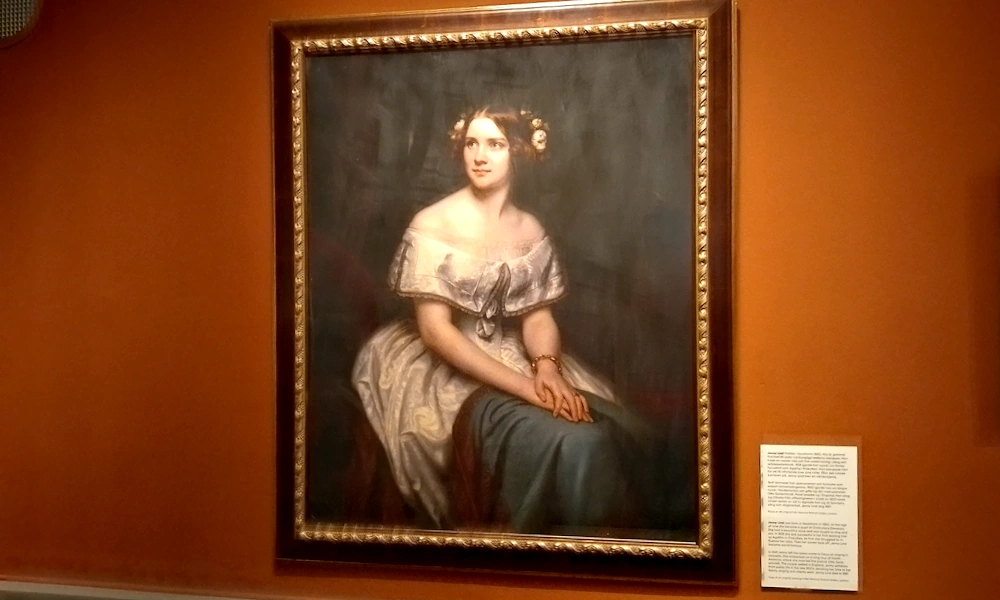
Stockholm City Museum, located in Södra Stadshuset at Slussen, presents the history of the capital from medieval origins to the present day. Its collections and exhibitions focus on urban development, everyday life, and cultural identity.
City Museum of Stockholm – Explore the Capital’s History
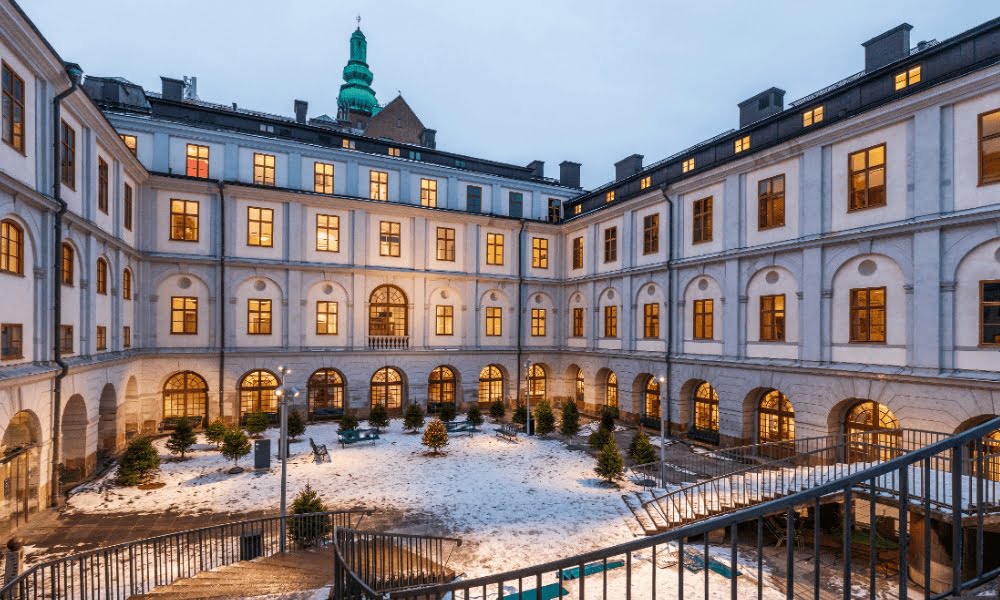
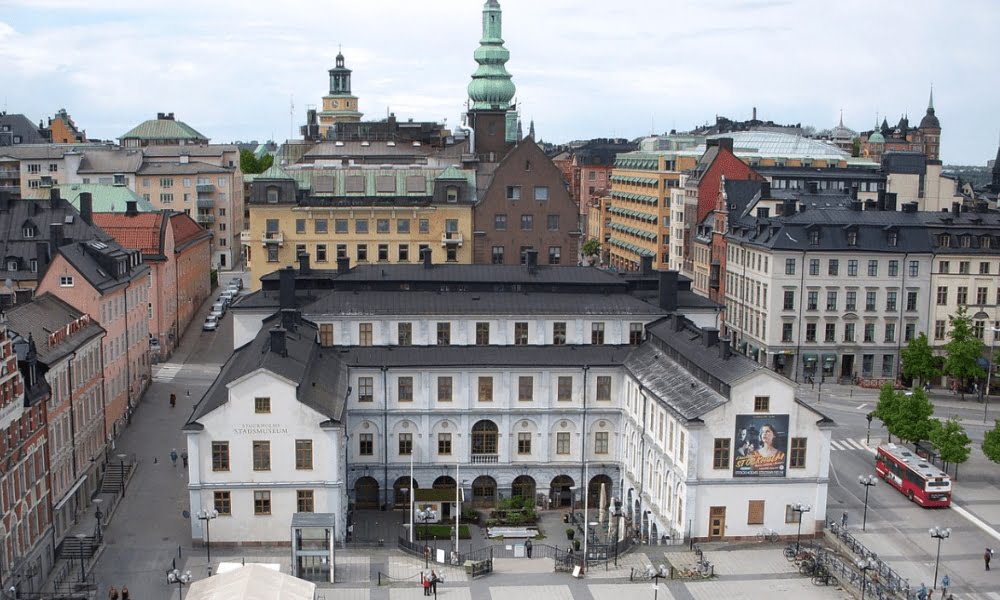
The City Museum of Stockholm (Stadsmuseet) is a cultural landmark housed in the 17th-century Södra Stadshuset. It chronicles the city’s journey from a medieval trading hub to a thriving modern capital, with exhibits that reveal Stockholm’s urban life, governance, and cultural evolution.
Located at Slussen, the museum sits at one of Stockholm’s most important historic and modern crossroads—where waterways, transport, and city life converge.
The museum’s location also places it within easy reach of several of the best viewpoints in Stockholm, where Stockholm’s history and geography can be experienced from above—linking past and present through its evolving skyline.
🏛️ A journey through Stockholm’s past
Visitors can explore a vast collection of artifacts, documents, and photographs. Interactive displays and multimedia installations highlight the lives of Stockholm’s diverse population, key political milestones, and centuries of city planning.
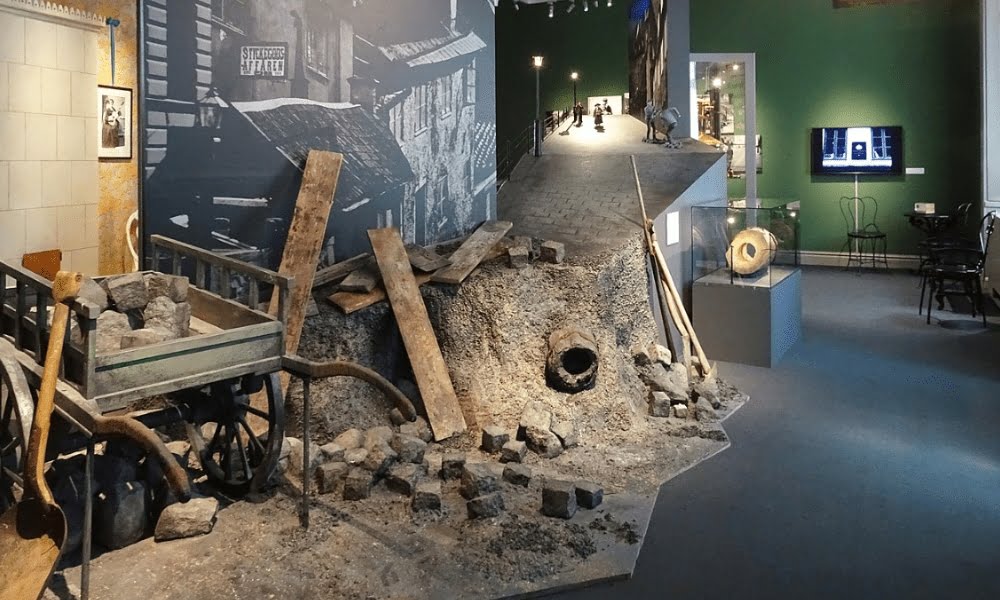
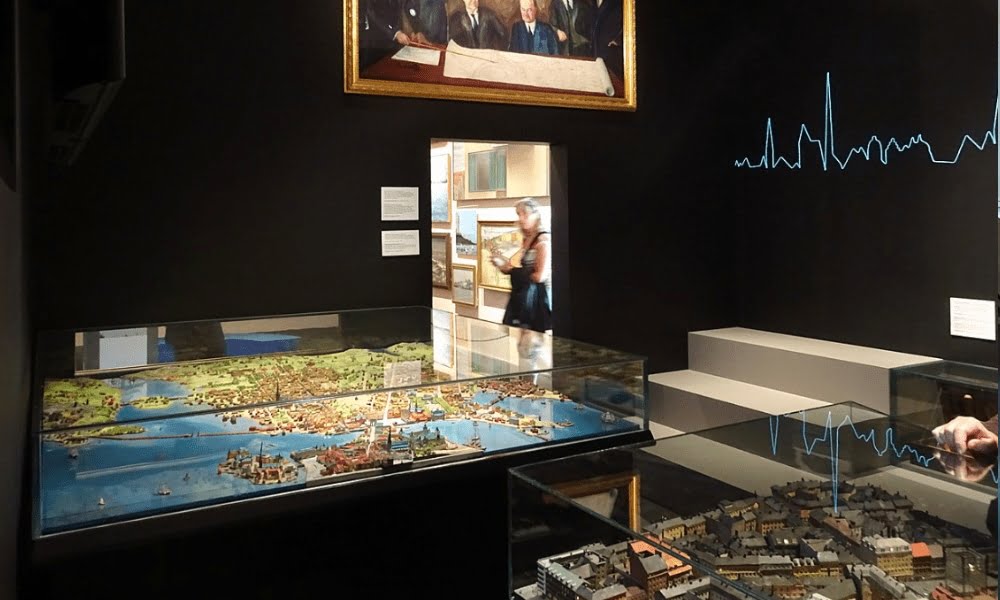
🕰️ Featured exhibition: New Stockholm—Turn of the century 1900
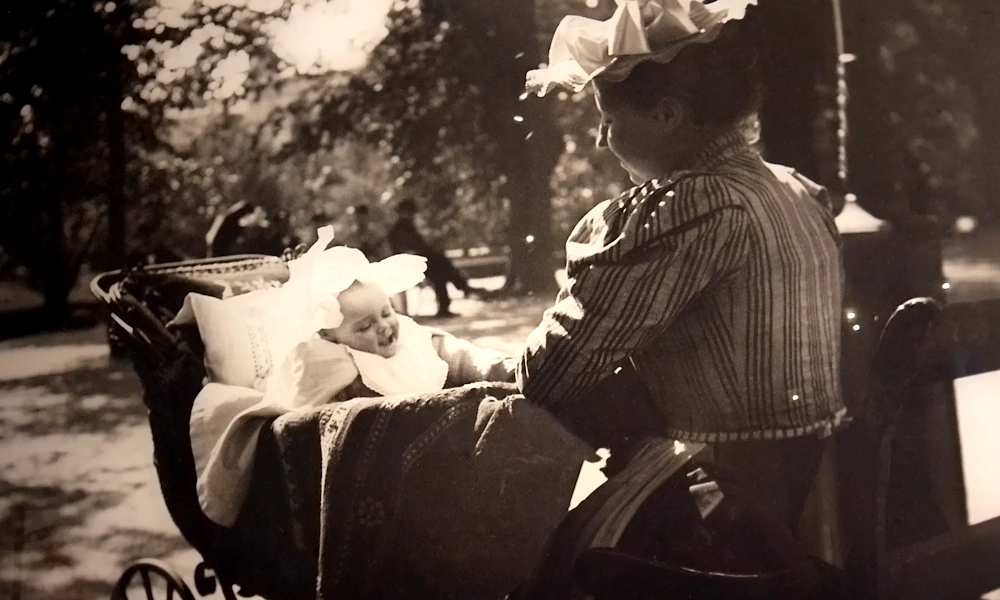
This exhibition traces the city’s transformation from grand imperial ambitions to suburban punk culture. It highlights defining eras such as the rise of folkhemmet (the Swedish welfare state).
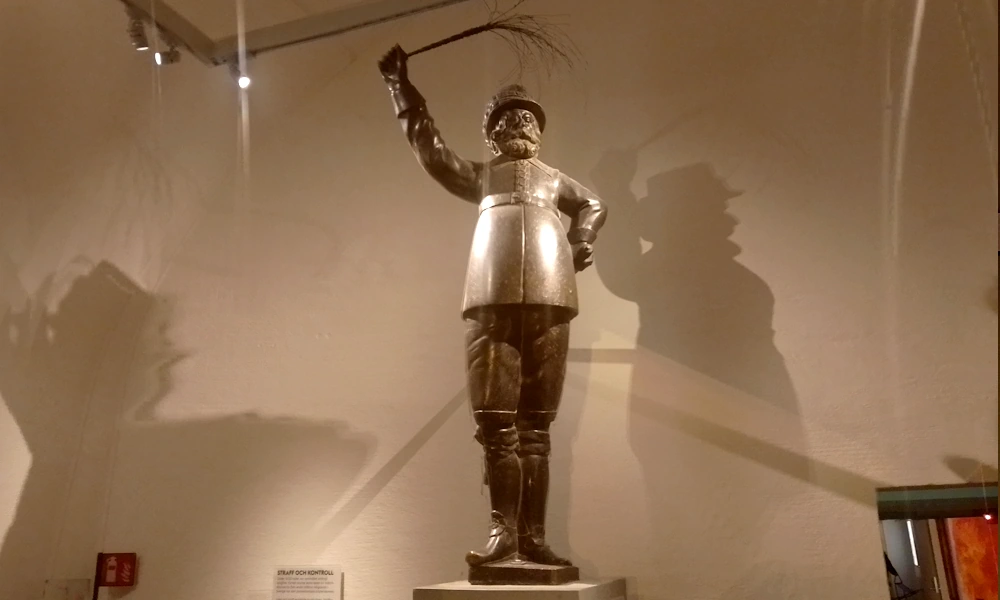
👤 Highlight: The Kopparmatte statue
The Kopparmatte (“Copper Matthew”) statue once stood on the shame pole at Stortorget, symbolizing Stockholm’s strict legal system of the early 1600s. Cast in bronze in 1603, the figure holds twigs once used for public punishment. Today, he resides in the museum as a striking reminder of the city’s past.
📍 Ryssgården: Historic Hub
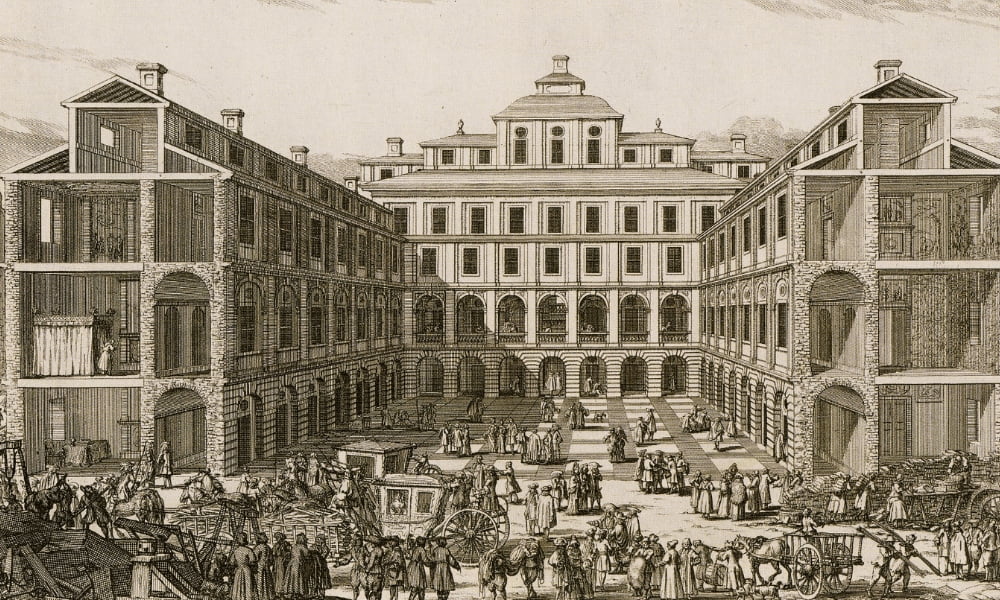
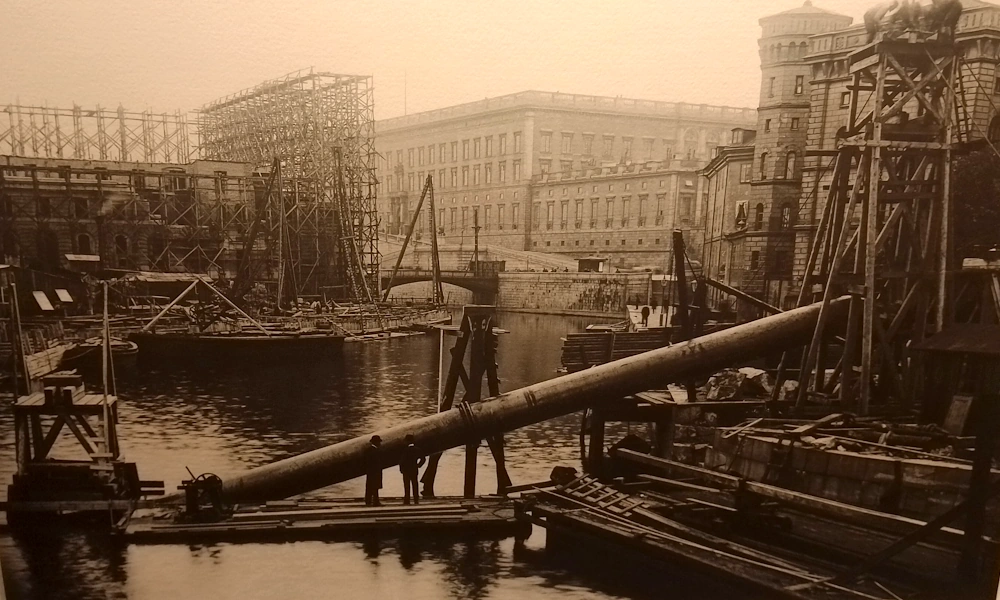
Ryssgården began as a Russian trading post in the 1600s and later hosted military camps and customs buildings. Its layered history reflects centuries of political and economic change. Today, with Slussen undergoing major redevelopment, the site bridges Stockholm’s past and present.
🏗️ About the building
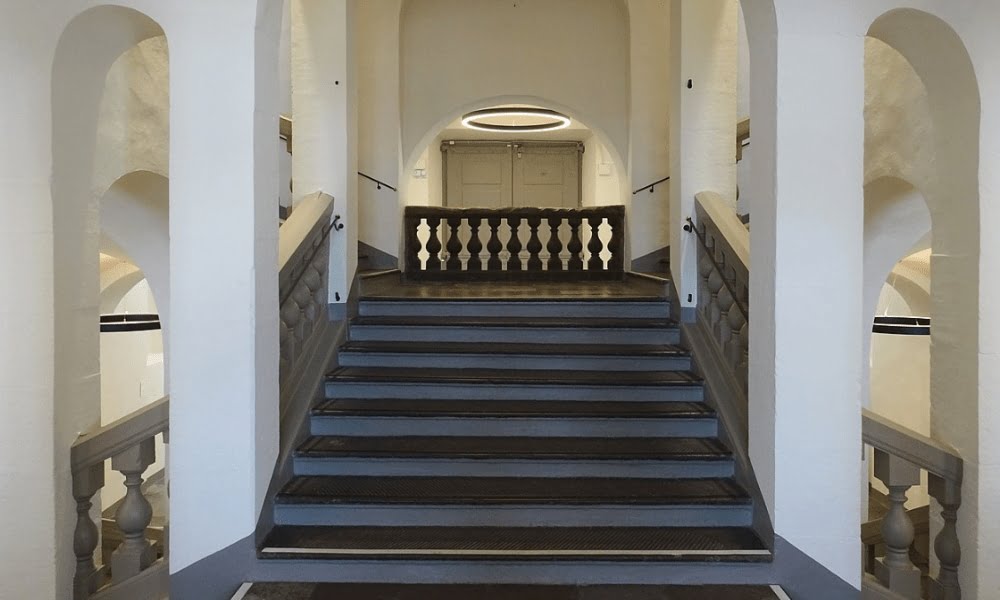
Designed by Nicodemus Tessin the Elder and later modified by his son Tessin the Younger, the building has seen fires, renovations, and transformations. One hall, Tessinsalen, was even used for anatomical dissections witnessed by Carl von Linné in 1729. With its layered history, the museum’s home is itself an architectural exhibit.


🧭 Nearby attractions
- 🏘️Gamla Stan (Old Town): Wander cobbled alleys lined with historic landmarks, including the Royal Palace and Stockholm Cathedral.
- 👑The Royal Palace: Discover lavish state rooms, royal regalia, and the Royal Armory.
- 📷Fotografiska: A leading photography museum with rotating exhibitions and panoramic city views.
- 🌆Katarina Elevator (Katarinahissen): Ride this historic lift for sweeping views over Stockholm and its harbor.
- 📍Stortorget: Old Town’s main square, rich with history, colorful façades, and vibrant atmosphere.
- 🌇Fjällgatan: A historic viewpoint offering sweeping panoramic views over Stockholm’s harbor and skyline.
- 🌄Monteliusvägen: A scenic walking path with one of Stockholm’s most iconic views over Gamla Stan, Riddarholmen, and the city skyline.
- ⛪Katarina Church: A striking landmark on Södermalm with a rich history and elevated views over Slussen.
- 🚇Slussen: A central transport hub and waterfront crossroads connecting Södermalm with Gamla Stan and the city’s main viewpoints.
Whether you’re a first-time visitor or a lifelong resident, the City Museum of Stockholm offers an essential window into how Sweden’s capital became the city it is today.
 In partnership with Agoda