 Photo: © StockholmMuseum.com
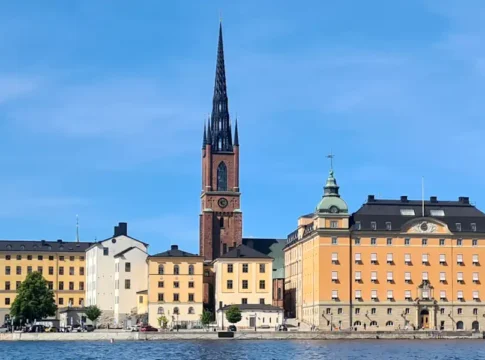
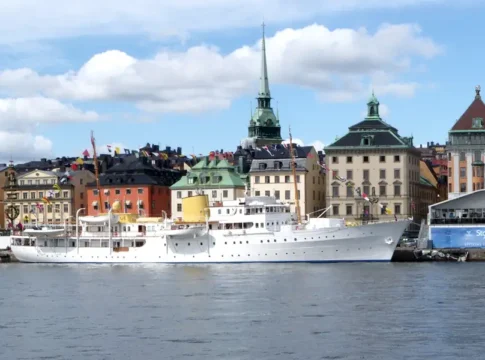
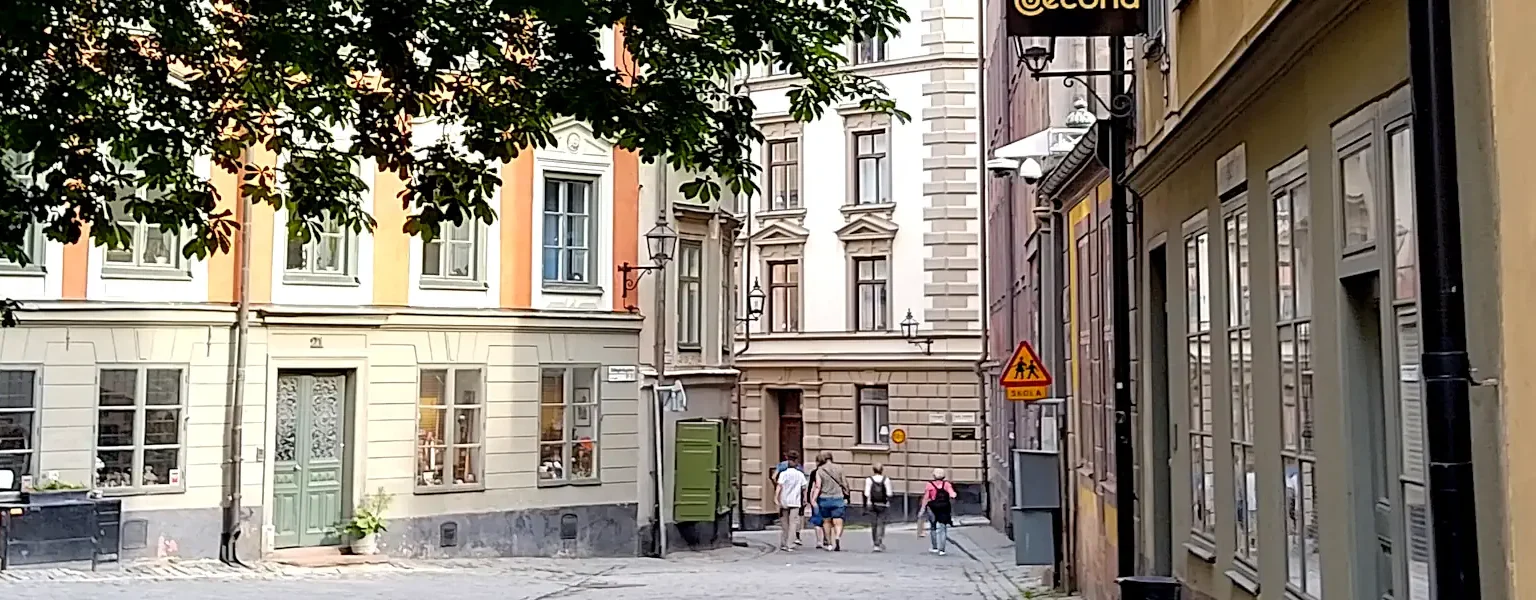
Wander through Gamla Stan, Stockholm’s medieval heart, where narrow cobblestone lanes and ochre façades preserve the origins of the Swedish capital. Founded in the 13th century, this island district grew from a fortified trading post into the political and ceremonial center of the realm — a must‑visit for anyone interested in history, architecture, or the city’s oldest stories. Just across the water lie both Södermalm and City & Norrmalm, making Gamla Stan a natural crossroads between eras.
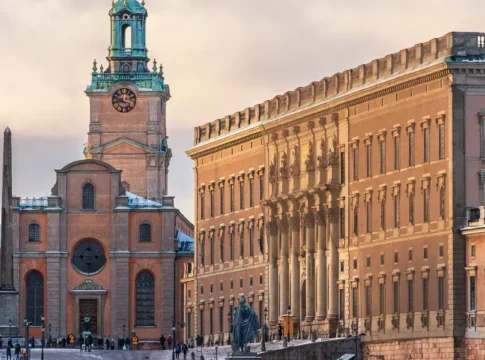
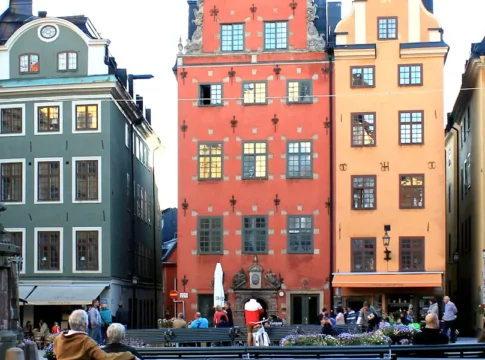
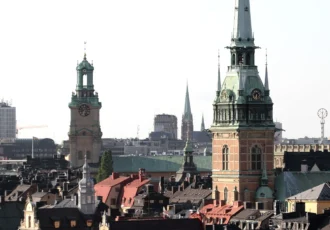
At its core lies Stortorget, the city’s oldest square, framed by merchant houses and layered with centuries of events. Nearby, the Nobel Prize Museum reflects Sweden’s global intellectual legacy, while the soaring brick vaults of Storkyrkan anchor the district’s ecclesiastical tradition.
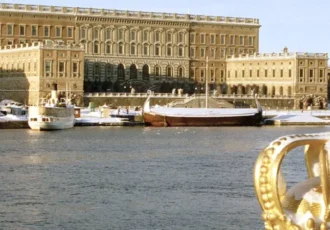
Dominating the northern edge stands the Royal Palace, one of Europe’s largest functioning royal residences. Its Baroque façades and ceremonial halls continue to host state occasions, including the daily Changing of the Guard — a reminder that Gamla Stan remains a living seat of monarchy.
Despite its global popularity, Gamla Stan retains an intimate scale. Medieval alleyways open onto waterfront views, hidden courtyards reveal traces of Hanseatic trade, and quiet cafés occupy buildings older than many European capitals themselves.
Gamla Stan is not merely preserved — it is inhabited, ceremonial, and enduring. To explore it is to walk through the architectural and political foundations of Sweden.
For a broader overview, explore our guide to Stockholm’s neighborhoods.
Gamla Stan is more than a picturesque Old Town — it is the very cradle of Stockholm itself. Founded in the 13th century under Birger Jarl, the settlement was strategically positioned to control trade between Lake Mälaren and the Baltic Sea.
Here, at Stortorget, the dramatic Stockholm Bloodbath unfolded in 1520 — an event that ignited rebellion and ultimately led to Sweden’s independence under Gustav Vasa.
Wander through history on cobbled streets. Discover museums, architecture, parks, landmarks and cultural highlights in this district.
From royal castles to hands-on science centers — discover museums and attractions that suit your interests.
 In partnership with Agoda