

Haymarket by Scandic: A Historic Stay at Hötorget, Stockholm
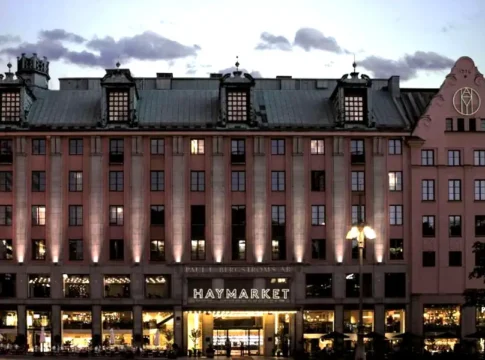
Haymarket by Scandic blends Art Deco elegance with Stockholm history. Located in the former PUB department store at Hötorget —…


Norrmalmstorg in central Stockholm is the site of the 1973 hostage crisis that gave the world the term “Stockholm Syndrome.” This dramatic six-day standoff between captors and hostages reshaped how we understand human behavior under extreme stress. Today, the square offers a unique blend of history, psychology, and everyday city life—making it one of Stockholm’s most intriguing places to visit.
In the heart of Stockholm, the elegant square of Norrmalmstorg appears calm and contemporary. Yet in August 1973, this very place became the center of a dramatic six-day hostage crisis that gave the world a new psychological term: Stockholm Syndrome.
Today, visitors can stand in the same square where history, crime, and psychology intersect—making Norrmalmstorg one of Stockholm’s most fascinating and unexpected landmarks.
The story began in August 1973, when a failed bank robbery at Kreditbanken escalated into a prolonged hostage crisis. Jan-Erik Olsson, a convict on parole, took four bank employees hostage inside the vault.
During the six-day standoff, something unexpected occurred: the hostages began to sympathize with their captor, even defending him after their release. This emotional bond between captor and captive puzzled the world—and gave rise to the term Stockholm Syndrome.
On August 23, 1973, Jan-Erik Olsson entered Kreditbanken armed with a submachine gun, firing into the ceiling and declaring, “The party has just begun.” He took four employees hostage and demanded a getaway car, three million kronor, and the release of his associate, Clark Olofsson.
Police agreed to bring Olofsson to the bank in hopes of resolving the crisis. Instead, the two men joined forces, barricading themselves with the hostages inside the vault.
As the days passed, the hostages began to develop sympathy for their captors. One hostage, Kristin Enmark, spoke with Prime Minister Olof Palme and expressed fear of a police assault rather than of the robbers.
Gradually, the captors were perceived as protectors—a psychological shift that would later fascinate researchers around the world.
On August 28, police ended the siege by using tear gas to force the robbers out. Both men surrendered, and remarkably, none of the hostages were physically harmed. In a moment that shocked observers, several hostages embraced their captors.
Even after their release, some hostages defended the robbers and maintained contact with them. The emotional reactions seen during the crisis ultimately gave rise to one of the most widely recognized psychological terms in the world: Stockholm Syndrome.
Psychologists have since explored why such bonds form under extreme stress. In life-threatening situations, even small acts of perceived kindness can take on great significance, leading victims to develop trust—or even loyalty—toward their captors.
Although still debated, Stockholm Syndrome remains a key concept in understanding human behavior under pressure.
Today, Norrmalmstorg is a lively and elegant square in the heart of Norrmalm. Nothing immediately reveals its dramatic past—but that contrast is part of its appeal.
Stand near the former bank building and imagine the tension that once filled this now peaceful space.
The original bank building still stands as a reminder of the 1973 events. While its function has changed, the site remains an important historical landmark.
Surrounded by boutiques, cafés, and restaurants, Norrmalmstorg is also a vibrant meeting place. Visitors can enjoy shopping, relax at outdoor cafés, or experience seasonal events and street performances.
Norrmalmstorg is easily accessible by public transport and lies within walking distance of major attractions such as the Royal Palace and Gamla Stan.
A visit to Norrmalmstorg offers more than just a glimpse into Stockholm’s past—it provides insight into a moment that shaped modern psychology. Blending history with everyday city life, the square stands as a reminder that even the most ordinary places can hold extraordinary stories.
Make time to visit Norrmalmstorg and discover where one of the world’s most fascinating psychological phenomena began.
Explore Norrmalmstorg
Norrmalmstorg