 Photo: Holger.Ellgaard (CC BY-SA 3.0)
Medieval Stockholm marks the foundational transformation of a strategic Baltic threshold into the enduring political nucleus of Sweden.
Founded in the 13th century to control the passage between Lake Mälaren and the Baltic Sea, the city emerged as fortress, port, and marketplace — a fortified island where royal authority, Hanseatic trade, and ecclesiastical power converged.
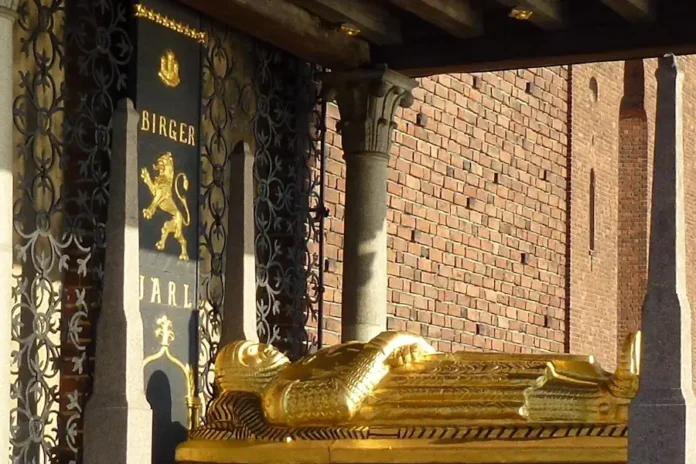
From the consolidation of authority under Birger Jarl to the rupture of the Stockholm Bloodbath (1520), the Middle Ages forged the institutional and geographic framework upon which the Swedish state would rise.
Medieval Stockholm explores fortification, faith, commerce, and conflict — the structural foundations of Swedish sovereignty.
Birka emerges as a Baltic trade hub, establishing Mälaren as a strategic corridor.
Birger Jarl establishes a fortified settlement on Stadsholmen.
A defining struggle in the contest between Swedish autonomy and Danish power.
The violent climax of the Kalmar Union and the prelude to Swedish independence.
Long before Stockholm was founded, the Mälaren region was a thriving center of Viking trade and early state formation. Trading hubs like Birka and Sigtuna laid the foundations for political power, Christianization, and urban life in Sweden.
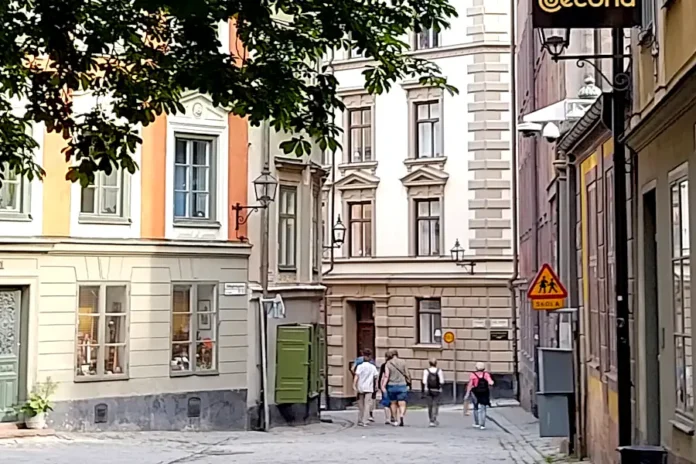
In the 13th century, Birger Jarl established a fortified settlement to control trade between Lake Mälaren and the Baltic Sea. Gamla Stan became the heart of this new city — its narrow streets and squares still echoing the medieval world.
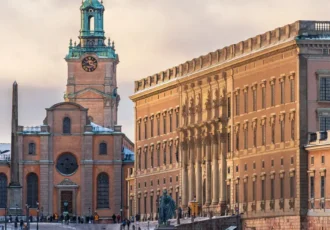
Medieval Stockholm was shaped not only by trade and defense but by faith. Stone churches symbolized stability, royal legitimacy, and spiritual authority in the growing capital.
Together they formed the structural framework of medieval Stockholm — protection, piety, and commerce interwoven.
Medieval Stockholm was not only a center of trade and faith — it was a battleground of dynastic struggle. The Kalmar Union, Danish-Swedish rivalries, and the 1520 Stockholm Bloodbath reshaped the monarchy and redefined the future of the realm.
Much of medieval Stockholm survives in fragments — foundations, artifacts, and preserved structures. Museums and archaeological sites help reconstruct how the city emerged from a fortified trading post into a royal capital.
The medieval centuries established Stockholm’s geographic logic, political hierarchy, and symbolic authority. The alignment of fortress, cathedral, and marketplace created a capital capable of enduring wars, unions, reformations, and modernization — while remaining anchored in its medieval core.
To understand Stockholm’s later imperial grandeur and modern constitutional identity, one must begin with the fortified island where trade, faith, and monarchy first converged.
 In partnership with Agoda
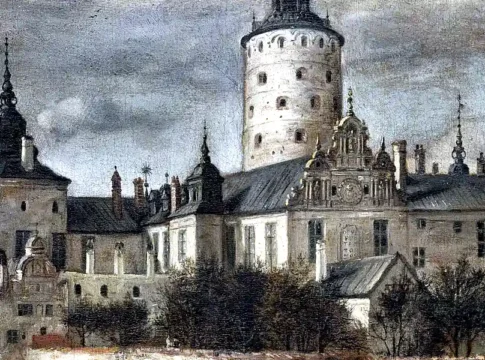 Photo: Stadsmuseet i Stockholm (Public domain)
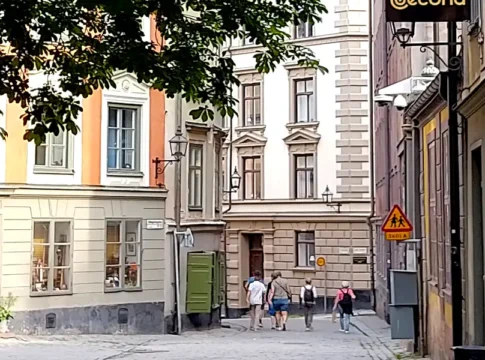 Photo: © StockholmMuseum.com
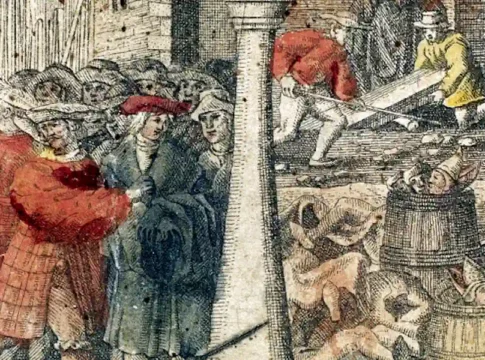 Photo: Public domain
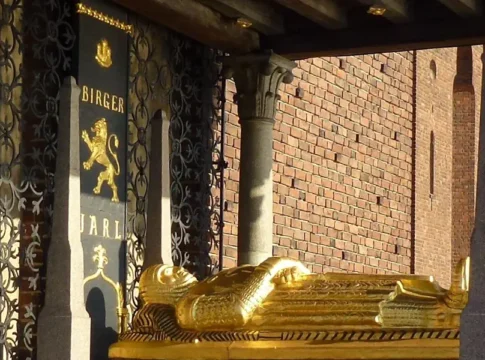 Photo: Holger.Ellgaard (CC BY-SA 3.0)
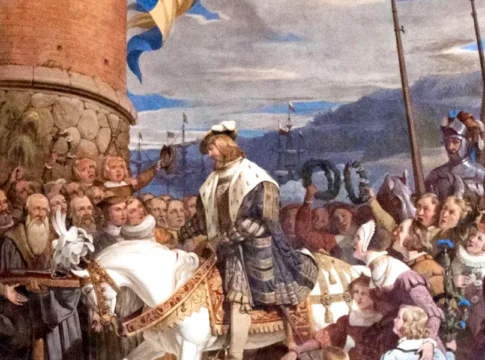 Photo: Szilas/Public domain).
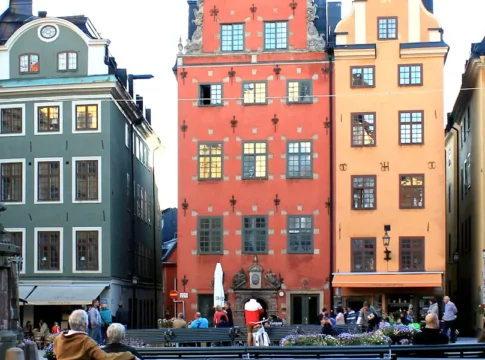 Photo: Øyvind Holmstad (CC BY-SA 3.0)
 Photo: Holger.Ellgaard (CC BY-SA 4.0)
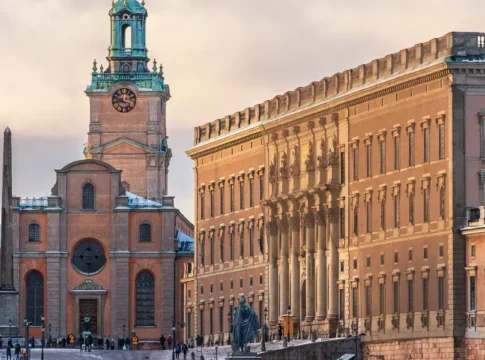 Photo: Julian Herzog (CC BY 4.0)
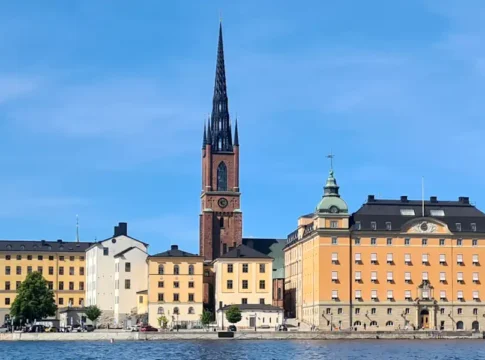 Photo: IngimarE (CC BY-SA 4.0)
 Photo: The Swedish History Museum (CC BY 2.0)
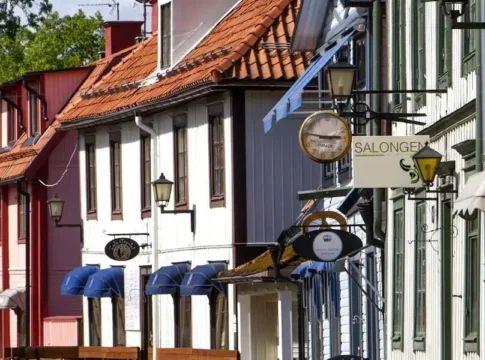 Photo: Brorsson. Creative Commons Attribution-Share Alike 3.0
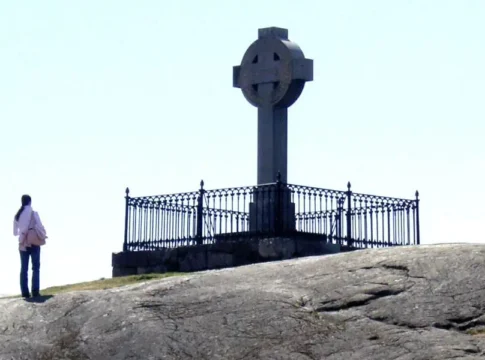 Photo: Holger.Ellgaard . (CC BY-SA 4.0)
 Photo: Jssfrk. CC0 1.0 Universal