
🏛️ 130+ Museums & Attractions 🧒 Family-Friendly 📍 Citywide Locations
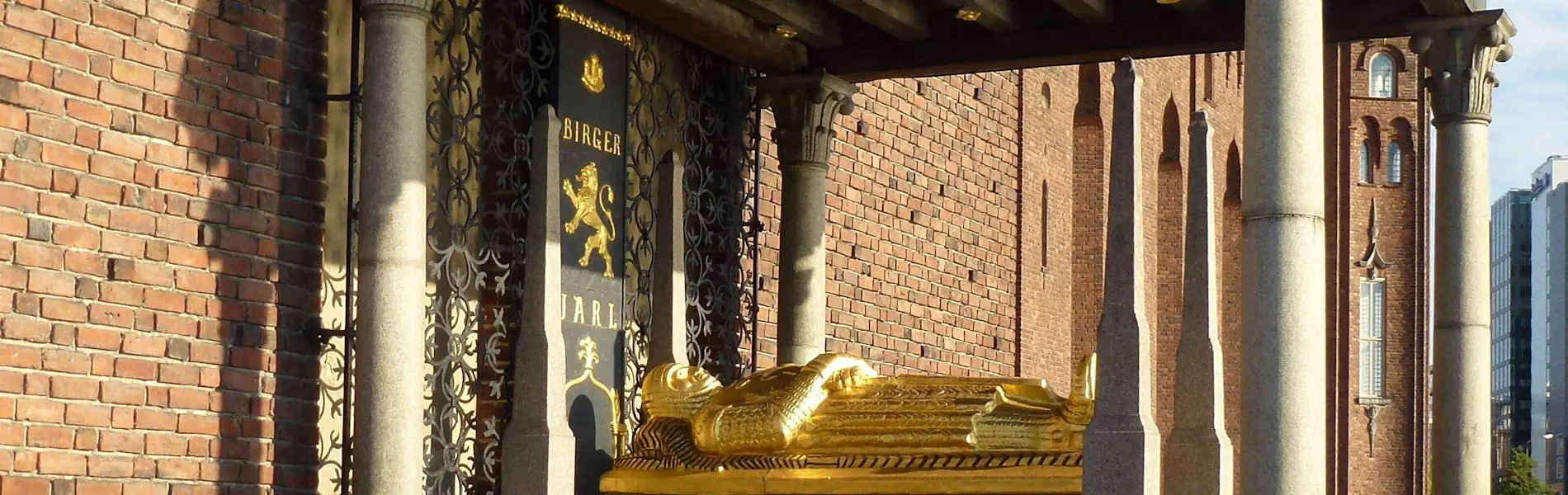
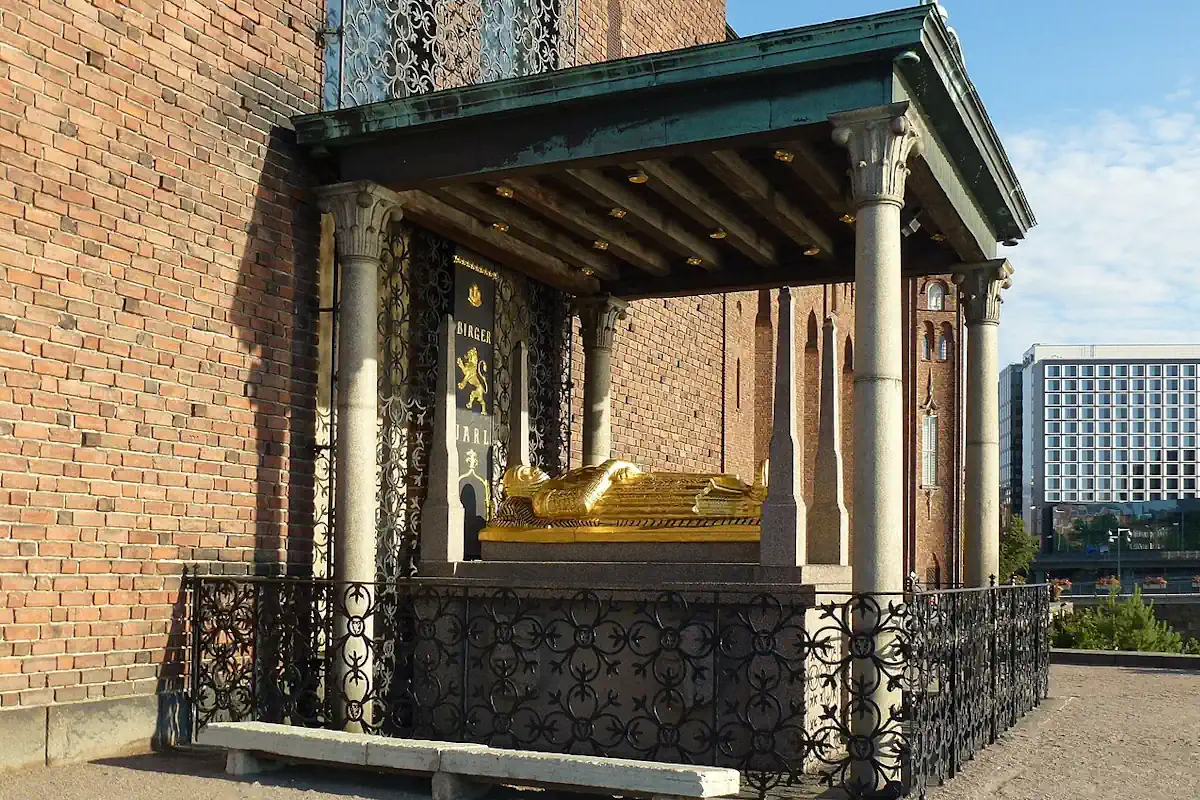
Birger Jarl's cenotaph at the City Hall in central Stockholm. Photo: Holger.Ellgaard (CC BY-SA 3.0)

Birger Jarl
– The Medieval Founder Who Built Stockholm’s Legacy

Birger Jarl's cenotaph at the City Hall in central Stockholm. Photo: Holger.Ellgaard (CC BY-SA 3.0)
💡 Summary
Birger Jarl (c.1210–1266) is traditionally credited as the founder of Stockholm. Through military campaigns, groundbreaking legal reforms, and strategic urban planning, he transformed a fortified settlement into the nucleus of a rising Swedish kingdom.

Birger Jarl: The Visionary Founder of Stockholm

In the mid-13th century, long before Stockholm became a capital, Sweden was a fractured realm of regional magnates, competing dynasties, and shifting alliances. From this unstable political landscape emerged Birger Magnusson — later known as Birger Jarl — the statesman who would transform a loose federation of territories into a centralized medieval kingdom.

Traditionally credited with founding Stockholm in 1252, Birger Jarl did more than establish a city. He reoriented Sweden’s political gravity toward the Baltic world, institutionalized royal authority through law, and laid the structural foundations upon which later monarchs — including Gustav Vasa — would build a sovereign state.

👑 Birger Jarl at a Glance
  • Born: c. 1210
  • Died: 1266
  • Title: Jarl (Earl) of Sweden
  • Founded: Stockholm (first mentioned 1252)
  • Known for: Legal reforms, King’s Peace laws, expansion into Finland
  • Buried: Varnhem Abbey

⚔️ Sweden Before Birger Jarl

When Birger Magnusson — later known as Birger Jarl — rose to prominence in the mid-13th century, Sweden was not yet a unified kingdom in the modern sense. The title “jarl,” roughly equivalent to an earl, was the highest aristocratic office beneath the king. Birger would become its most powerful holder and effectively rule the realm as regent.

Power was divided among regional magnates, rival noble families, and shifting royal factions. Civil conflicts were common, and authority often depended more on alliances than institutions.

Birger Jarl emerged during this turbulent era as the figure who would transform a loose federation of territories into a more centralized and stable realm.

🏰 Founding Stockholm

Before Stockholm’s rise, royal authority was centered in Sigtuna — Sweden’s earliest urban and ecclesiastical hub along Lake Mälaren.

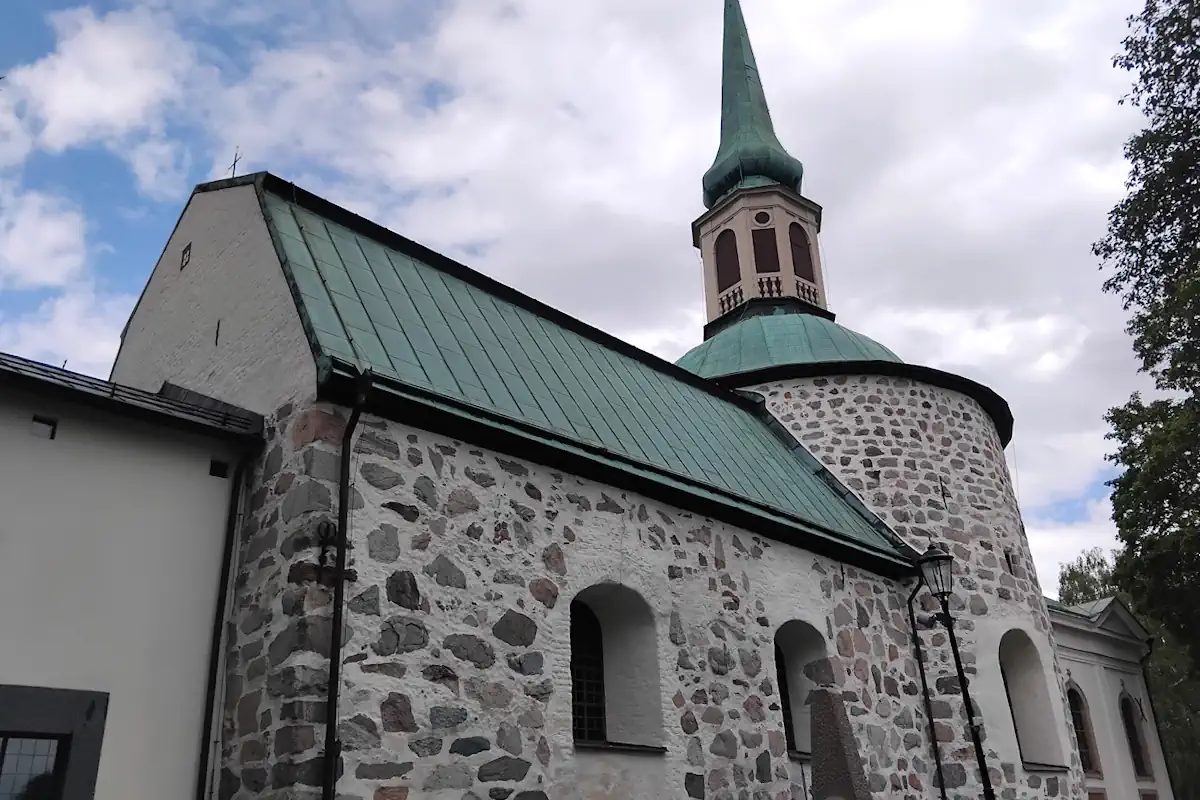
As Christianity and regional defenses expanded across the Mälaren region, fortified churches such as Bromma Church reflected the emerging medieval order that would eventually give rise to Stockholm.

Stockholm’s location at the narrow strait between Lake Mälaren and the Baltic Sea allowed control of inland trade routes and customs revenues — making it both a military stronghold and an economic engine.

Founding Stockholm was not merely an act of urban development — it was a strategic reorientation of Swedish power toward the Baltic world. By shifting the political and economic center closer to maritime trade networks, Birger positioned Sweden within the expanding Hanseatic sphere of influence.

The fortified island settlement functioned as both gateway and gatekeeper to the Swedish realm. Whoever controlled Stockholm controlled customs revenues, military access, and the economic lifeline of central Sweden. The city thus functioned not merely as a port, but as an instrument of territorial control — binding inland provinces to royal authority through commerce and defense.

The first written mention of Stockholm appears in 1252, when Birger Jarl issued two letters from the city. While historians debate the details of its founding, this year is traditionally celebrated as Stockholm’s birth. For Birger, the settlement served multiple purposes:

  • ⚔️ A defensive “lock” protecting Lake Mälaren from seaborne threats
  • 💰 A commercial hub for trade with German merchants
  • 👑 A strategic tool to consolidate royal power against rival nobles

⚔️ Political and Military Achievements

Birger Jarl’s influence extended well beyond Stockholm. He led the Second Swedish Crusade, establishing Swedish rule in Finland, secured peace with Norway through the Treaty of Lödöse (1249), and acted as regent for his son Valdemar, effectively ruling Sweden until his death. The expansion into Finland extended Swedish influence eastward, embedding royal authority across the Baltic frontier and reinforcing Stockholm’s emerging strategic importance.

📜 Legal Reforms and the King’s Peace

Birger Jarl was also a reformer, enacting laws that transformed Swedish society. Remarkably progressive for the 13th century, his statutes strengthened women’s rights and promoted social stability:

  • Inheritance rights: Daughters could inherit property (albeit half of a son’s share)—a radical step in medieval Europe.
  • Protection laws: Violence against women could carry severe penalties, including death — an unusually strict protection in medieval Europe.

Birger also introduced the first national laws known as the king’s peace, extending royal protection to key aspects of society:

  • Hemfrid (Home peace): safeguarding private homes
  • Kvinnofrid (Women’s peace): protecting women’s safety
  • Tingsfrid (Assembly peace): ensuring order at legal assemblies
  • Kyrkofrid (Church peace): securing sanctity in religious spaces

By improving women’s legal status and establishing the “king’s peace,” Birger Jarl centralized justice under royal protection, extended the crown’s authority into everyday spaces, and helped turn a patchwork of provinces into a more cohesive Swedish kingdom.

This legal consolidation marked a decisive step toward a unified Swedish state. Rather than ruling solely through noble alliances, Birger institutionalized royal power through law. In doing so, he shifted Swedish governance away from personal allegiance and toward codified authority — a critical transition in the emergence of a durable monarchy.

🏛️ Legacy in Stockholm

Birger Jarl’s imprint is still visible across Stockholm:

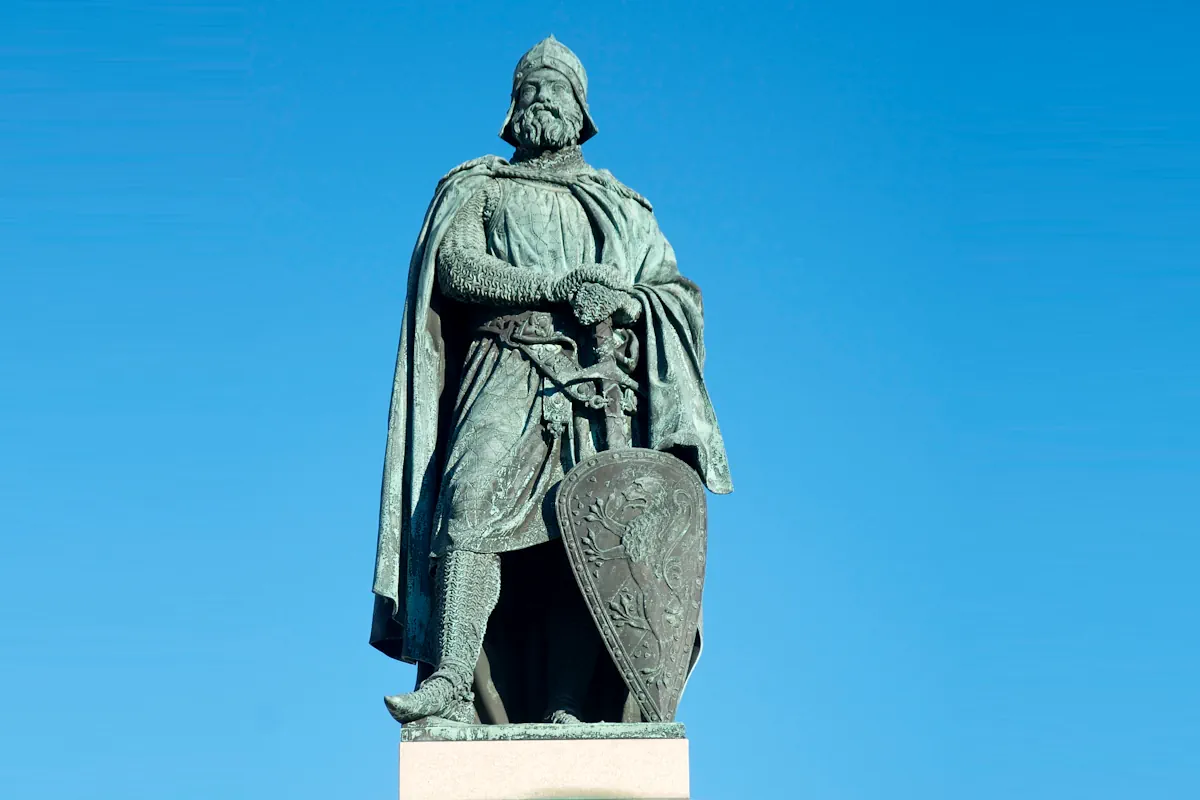
  • Statue on Riddarholmen: Bengt Erland Fogelberg’s bronze sculpture dominates Birger Jarls torg (Birger Jarl’s Square), commemorating the city’s founder.
  • Riddarholmen Church: A medieval church offering insight into the Stockholm of Birger’s era.
  • Stockholm City Hall: Built centuries later, it reflects the vision of a capital Birger set in motion.

⚱️ Birger Jarl’s Cenotaph

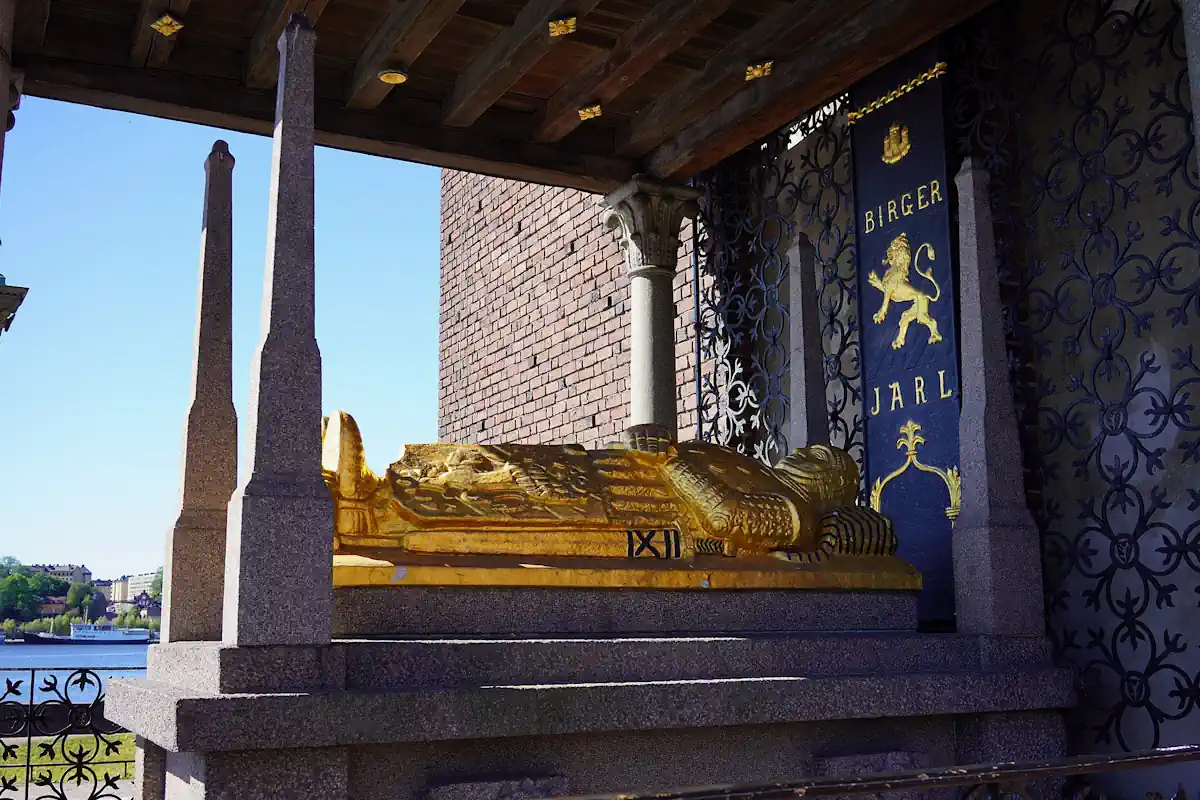
At the base of Stockholm City Hall’s tower stands a striking cenotaph designed by Gustaf Sandberg in the 1920s. The gilded sarcophagus shows Birger in full armor beneath a granite canopy, his feet pointing symbolically toward Riddarholmen.

Though originally intended as his final resting place, Birger’s remains were never moved from Varnhem Abbey. The cenotaph remains empty—yet powerful—serving as a symbolic link between medieval Sweden and modern Stockholm.

👑 Dynastic Legacy and the Rise of a Capital

Birger Jarl’s influence extended beyond his lifetime. Through his son King Valdemar and the House of Bjelbo dynasty, Birger’s lineage shaped Sweden’s royal trajectory for decades. The administrative and commercial foundations he established in Stockholm gradually elevated the city above older power centers such as Sigtuna and Uppsala, securing its role as Sweden’s emerging capital.

By the late Middle Ages, Stockholm had firmly emerged as Sweden’s political heart — a transformation rooted in Birger’s strategic vision. What began as a fortified outpost evolved into the nucleus of a national capital.

The political consolidation initiated by Birger Jarl made possible the later crises and transformations that would define Swedish history. Without his structural reforms, neither the upheaval of 1520 nor the monarchy of Gustav Vasa would have unfolded upon the same foundation.

🏰 Legacy: The Foundations of a Capital

Birger Jarl’s vision stretched far beyond building a city. Through military campaigns, legal reforms, and trade policies, he consolidated Sweden into a stronger, more cohesive kingdom. For visitors today, his presence is felt in statues, monuments, and the very layout of Stockholm—a reminder of the statesman who transformed a fortified settlement into the institutional foundation of Sweden’s capital.

⚔️ Birger Jarl—The Founder of Stockholm
Around 1252, Birger Jarl established a fortified settlement where Lake Mälaren meets the Baltic Sea — laying the foundations of Stockholm. His legacy lives on not only in statues and street names but in the enduring spirit of the capital he helped shape.

🧭 Continue Exploring Medieval Stockholm

Visit Info

English Birger Jarl

Other Info

Birger Jarl (c. 1210–1266) is traditionally credited as the founder of Stockholm. A skilled statesman, regent, and reformer, he consolidated Sweden’s power through military campaigns, groundbreaking legal protections, and urban planning. His vision helped transform a settlement at the crossroads of Lake Mälaren and the Baltic Sea into the thriving capital we know today.

🏨 Hotels in Stockholm