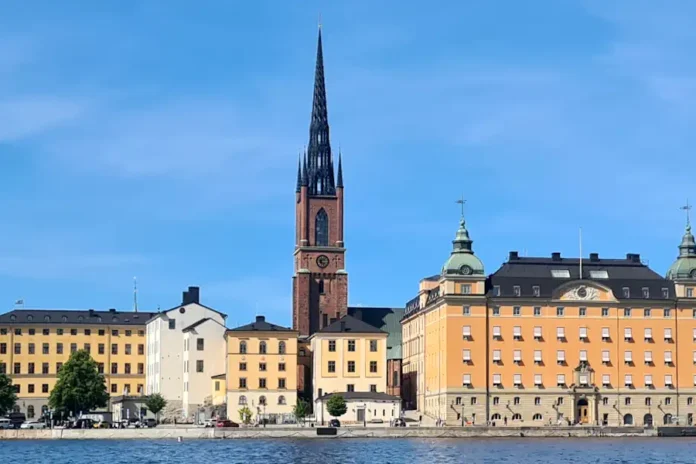
Photo: Magnus Johansson (CC BY-SA 2.0)
Stockholm is the ceremonial and institutional heart of the Swedish monarchy — a capital where royal authority has been shaped, contested, and expressed for more than seven centuries.
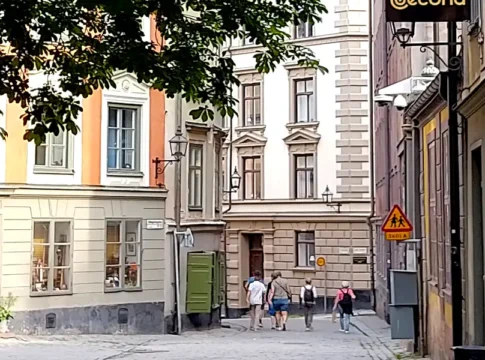
From the medieval stronghold on Stadsholmen to the Baroque monumentality of the Royal Palace and the cultivated landscapes of Drottningholm, the evolution of Sweden’s monarchy is inscribed directly into the city’s architecture. Here, power was fortified, reformed, theatricalized, constitutionalized — and ultimately transformed into modern ceremonial statehood.
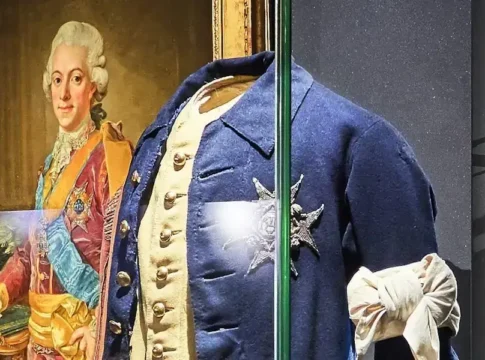
The royal narrative begins with Birger Jarl, whose 13th-century consolidation of authority laid the foundations of Stockholm itself. It continues through the state-building reforms of Gustav Vasa, and finds cultural expression in the enlightened patronage of Gustav III, who reshaped the capital into a stage for monarchy and spectacle.
Royal Stockholm is not confined to a single palace or dynasty. It encompasses coronations and funerals, diplomatic ritual and national celebration, burial chapels and regalia halls — a ceremonial geography through which monarchy has projected continuity from the Middle Ages to the present day.
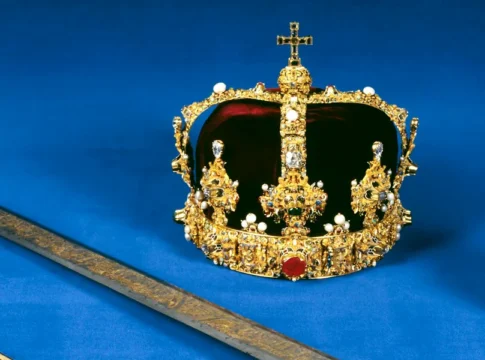
The principal sites of Royal Stockholm include The Royal Palace, the UNESCO-listed Drottningholm Palace, and the historic collections of the Royal Armoury, where Sweden’s dynastic story unfolds in armor, silk, and gold.
Royal Stockholm is a curated historical domain exploring monarchy as institution, architecture as power, and ceremony as statecraft.
In the 13th century, the consolidation of power under Birger Jarl established Stockholm as both fortified stronghold and sacred royal center.
Gustav Vasa transformed Sweden into a centralized Lutheran monarchy, reshaping church, crown, and capital.
As Sweden rose to European power, dynastic authority was expressed through palaces, burial chapels, and aristocratic architecture.
From Gustav III to the Bernadotte dynasty, royal power evolved into ceremonial statehood within a modern constitutional framework.
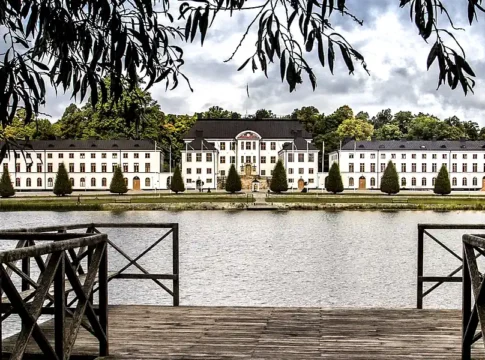 Photo: Albabos (CC BY-SA 3.0)
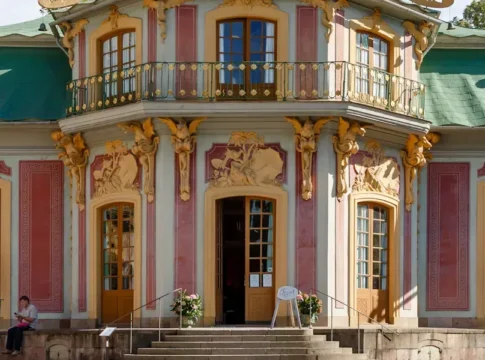 Photo: © CEphoto, Uwe Aranas (CC BY-SA 3.0)
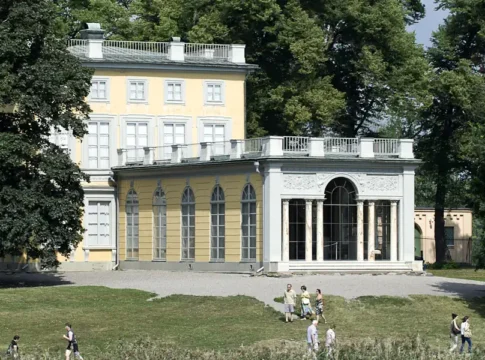 Photo: Gomer Swahn © Kungl. Hovstaterna
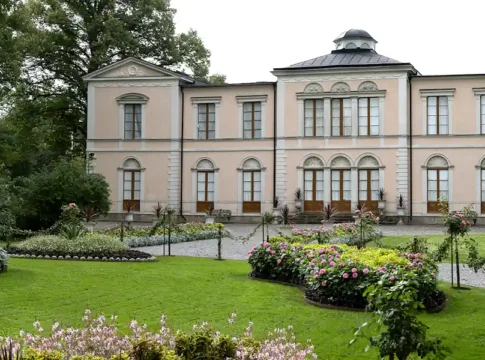 Photo: Lisa Raihle Rehbäck, © Kungl. Hovstaterna
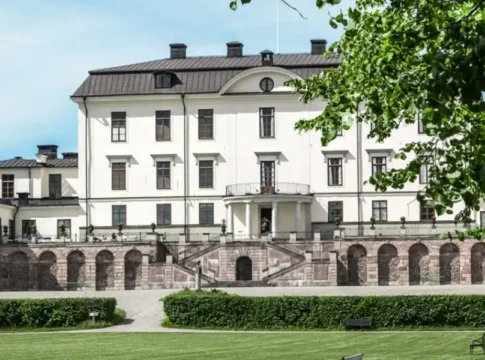 Photo: Raphael Stecksén. © Kungl. Hovstaterna.
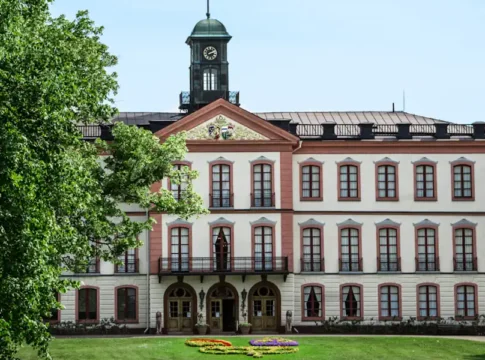 Photo: Raphael Stecksén, © Kungl. Hovstaterna
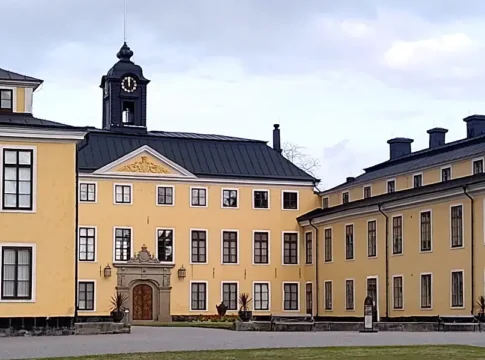 Photo: © StockholmMuseum.com
 Photo: Magnus Johansson (CC BY-SA 2.0)
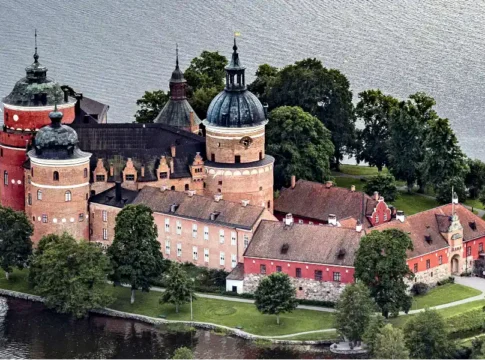 Photo: L.G.foto (CC BY-SA 4.0)
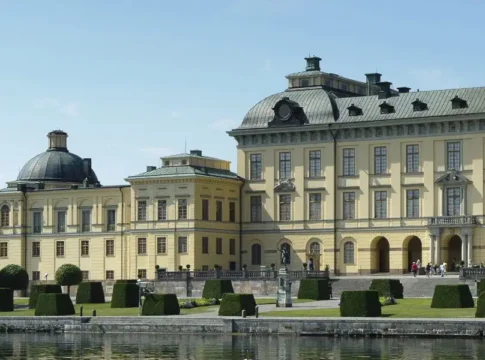 Photo: Gomer Swahn. © Kungl. Hovstaterna.
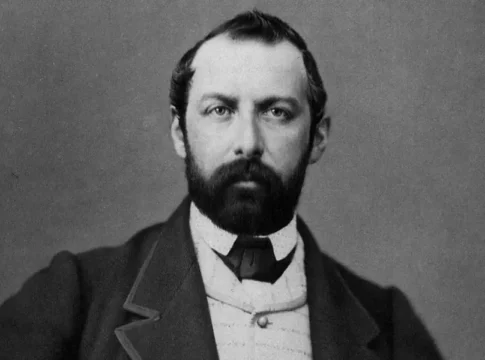 Photo: Mathias Hansen (Public domain)
 Photo: Public domain
 Photo: Public domain
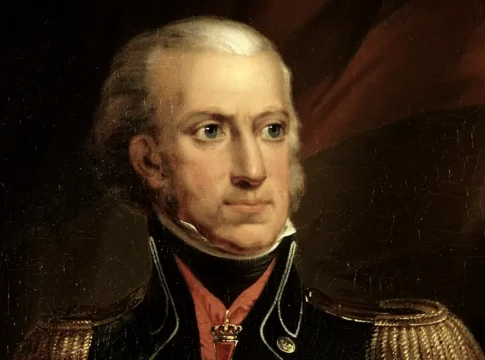 Photo: Public domain
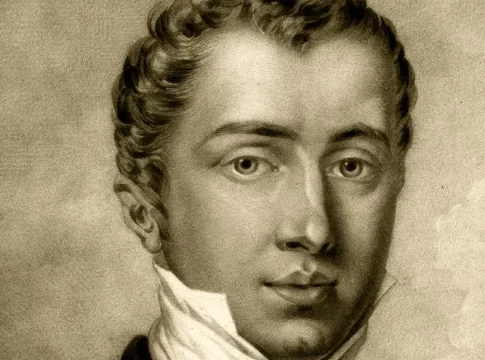 Photo: François Huet Villiers (CC BY-SA 4.0)
 Photo: Public domain
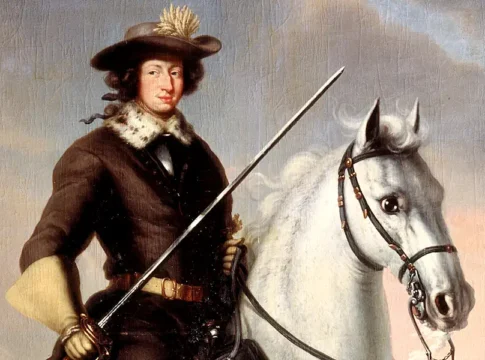 Photo: Nationalmuseum/Public domain
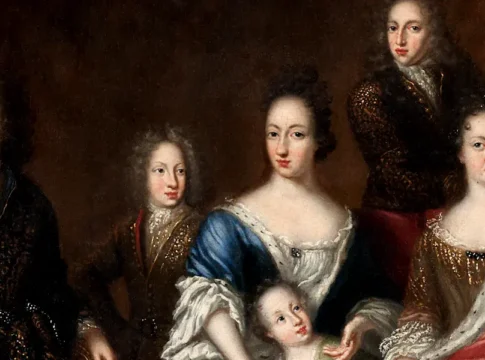 Photo: Public domain
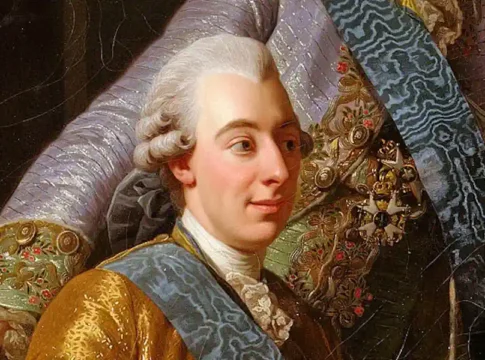 Photo: Public Domain
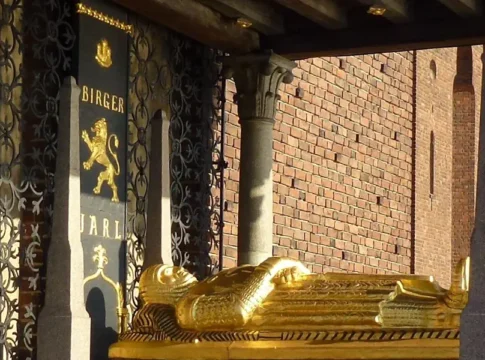 Photo: Holger.Ellgaard (CC BY-SA 3.0)
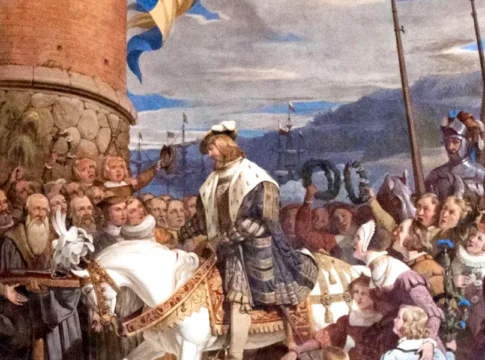 Photo: Szilas/Public domain).
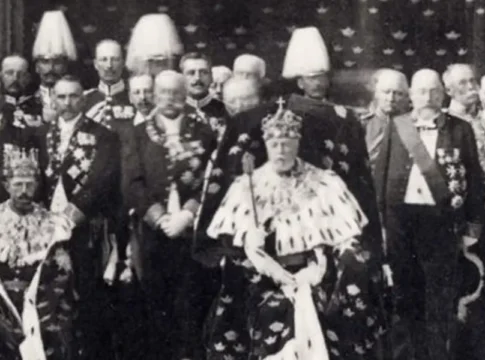 Photo: Unknown (Public domain)
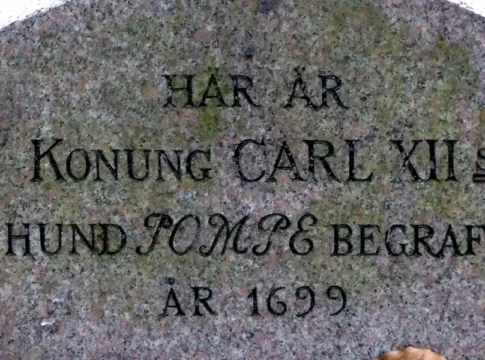 Photo: Lennart Kjellman (CC BY-SA 3.0)
Royal Stockholm is anchored in three enduring institutions of monarchy:
Together they form a ceremonial geography — residence, representation, and dynastic memory — through which Swedish monarchy has expressed continuity for over seven centuries.
In Stockholm, monarchy is not merely biography or architecture. It is an institutional continuum linking medieval sovereignty, imperial ambition, enlightened absolutism, and modern constitutional statehood.
The city’s royal landscape preserves this evolution in stone, ritual, and ceremony — making Stockholm one of Europe’s most legible monarchical capitals.
Many royal sites remain active ceremonial spaces while welcoming visitors year-round. Changing of the Guard, state openings of Parliament, and royal celebrations continue to animate the historic core of the capital.
While Sweden is a constitutional monarchy, royal ritual remains a visible and active part of public life in the capital.
Opening hours vary seasonally. Guided tours provide deeper insight into Sweden’s dynastic continuity, ceremonial traditions, and architectural heritage.
Combine palace visits with nearby churches, museums, and waterfront promenades to experience the full ceremonial landscape of Royal Stockholm.
 In partnership with Agoda