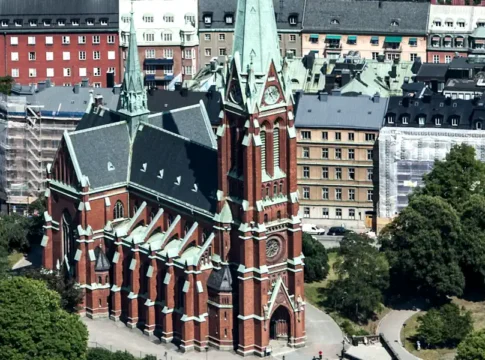
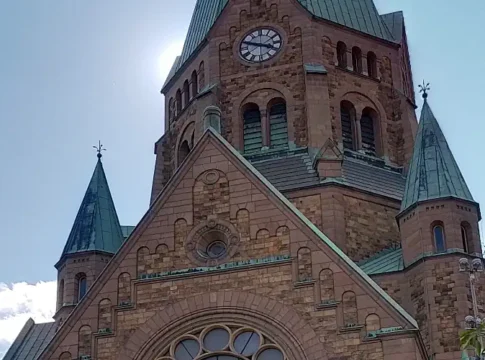
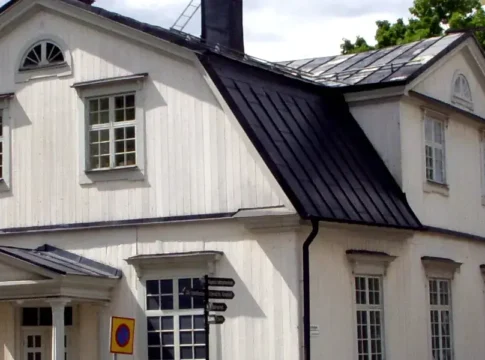
Gustaf Vasa Church, inaugurated in 1906 at Odenplan, is a prominent Neo-Baroque landmark in Stockholm. Designed by Agi Lindegren, it is known for its monumental dome and role as both a parish church and cultural venue.
Gustaf Vasa Church: Stockholm’s Grand Neo-Baroque Dome
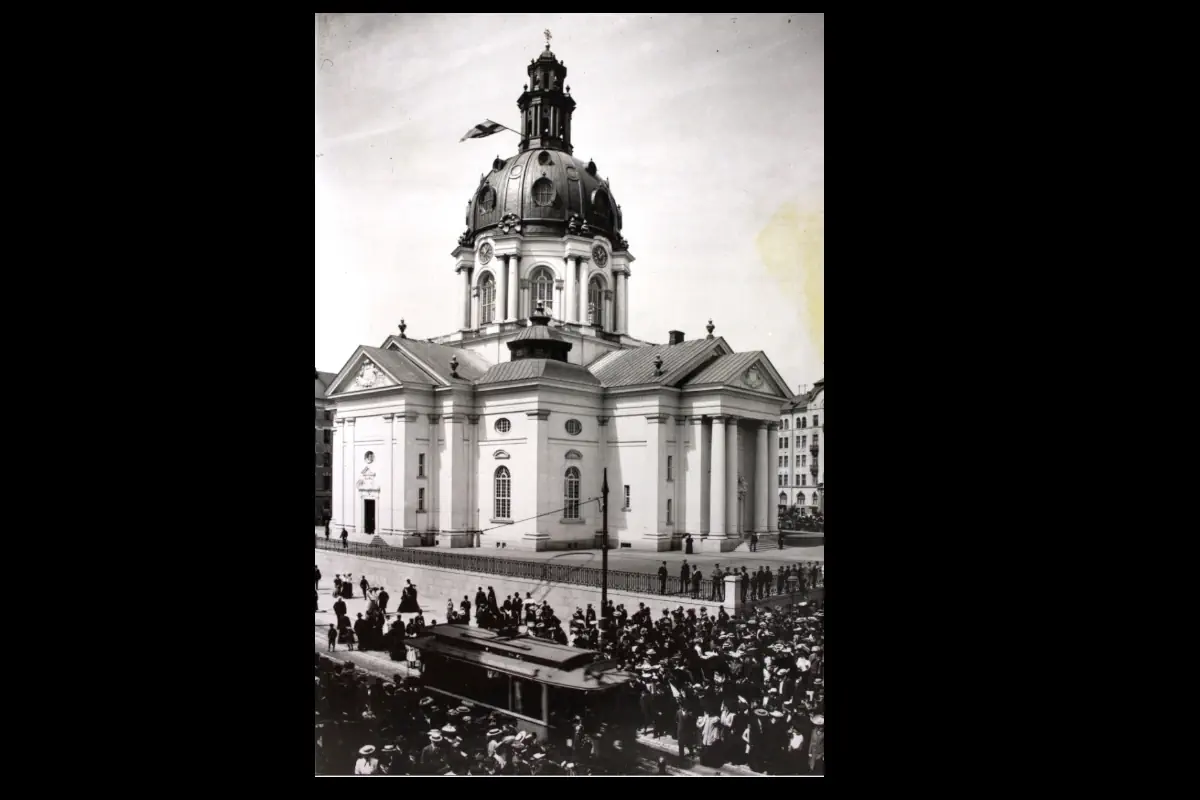
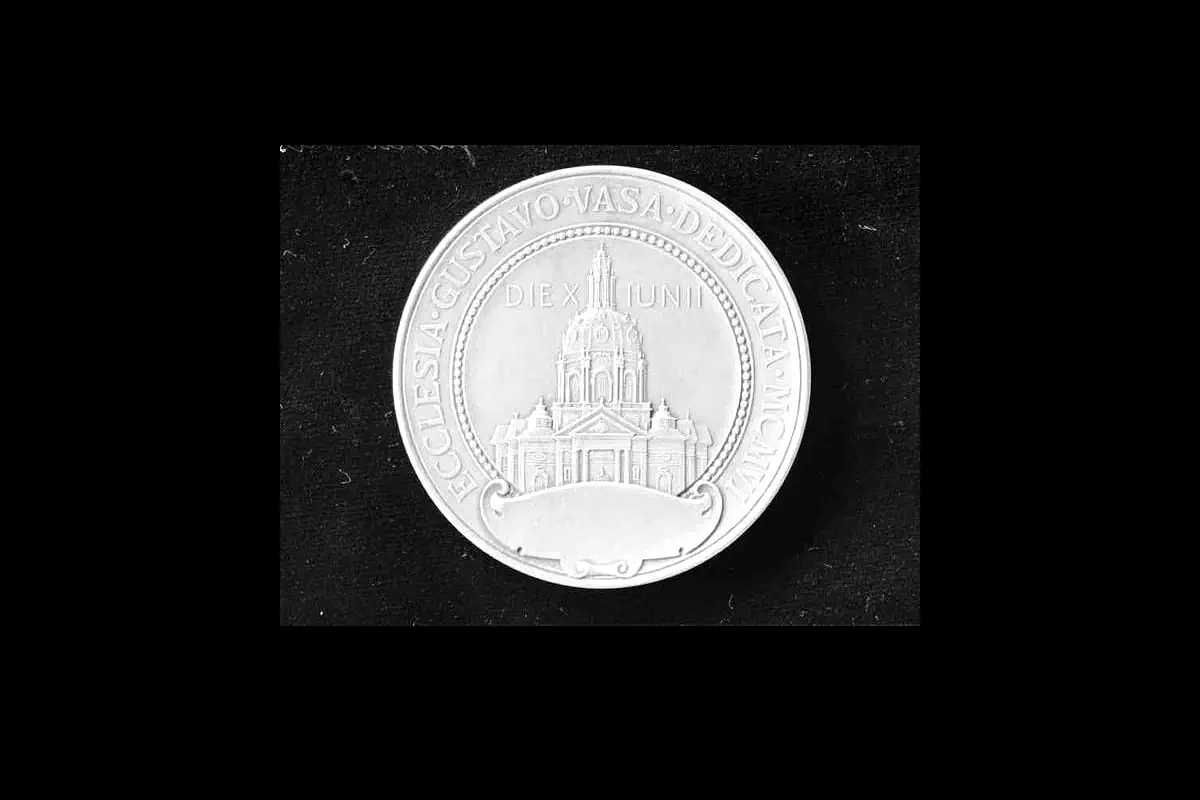
Gustaf Vasa Church (Gustaf Vasa kyrka) rises above Odenplan as one of Stockholm’s most monumental early-20th-century churches. Designed by architect Agi Lindegren and inaugurated in 1906, it is best known for its vast copper-clad dome—soaring more than 60 meters—and its commanding presence in Vasastan.
Among Stockholm’s churches, it stands out as the city’s most prominent Neo-Baroque landmark, offering a dramatic contrast to the Gothic-inspired St. Johannes Church and the Neo-Gothic grandeur of Oscar’s Church.
- Completed: 1906
- Style: Neo-Baroque
- Location: Odenplan, Vasastan
- Architect: Agi Lindegren
- Highlight: One of Sweden’s largest church domes
From industrial pit to monumental landmark
The site at Odenplan was once known as “the pit,” requiring extensive groundwork before construction began in 1901. As Stockholm expanded rapidly, the Adolf Fredrik parish was divided, and Gustaf Vasa Church emerged as a bold statement of growth and ambition in the city’s northern districts.
Completed in 1906, it became a defining landmark of Vasastan—just as the German Church (Tyska kyrkan) anchors the historic identity of Gamla Stan.


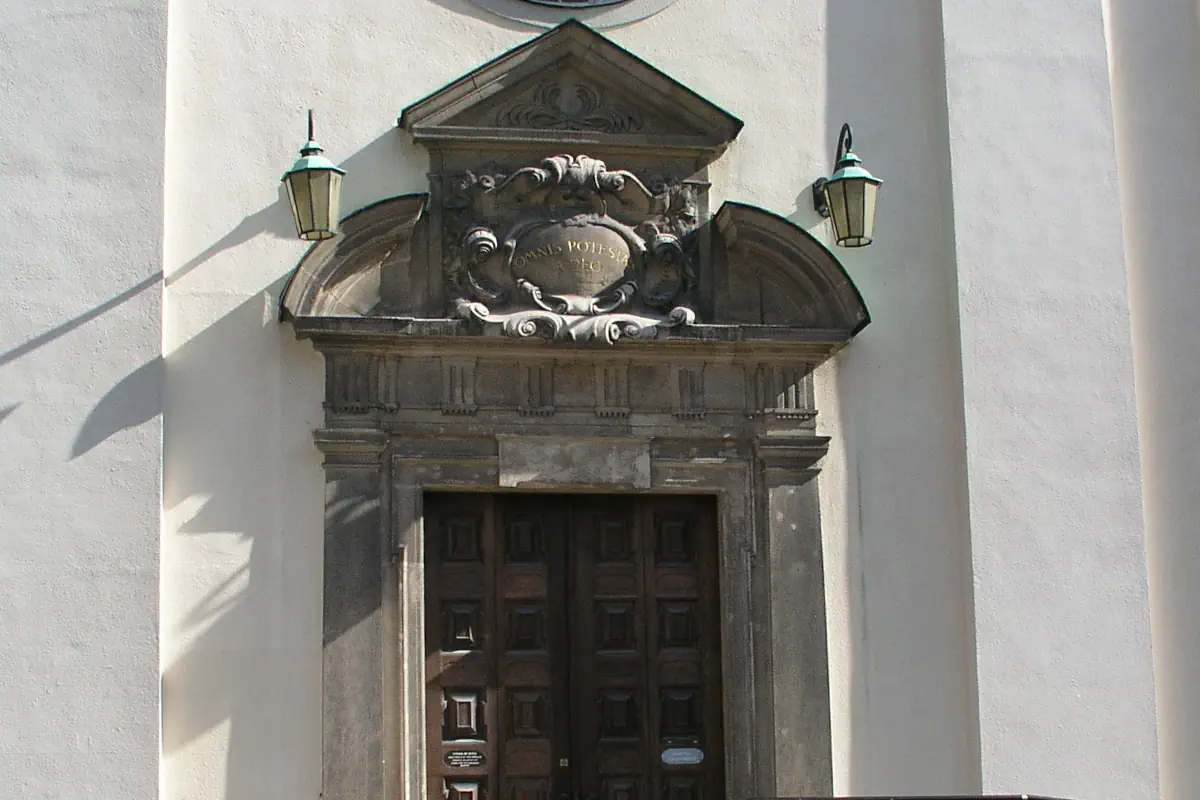
Architectural grandeur and Italian inspiration
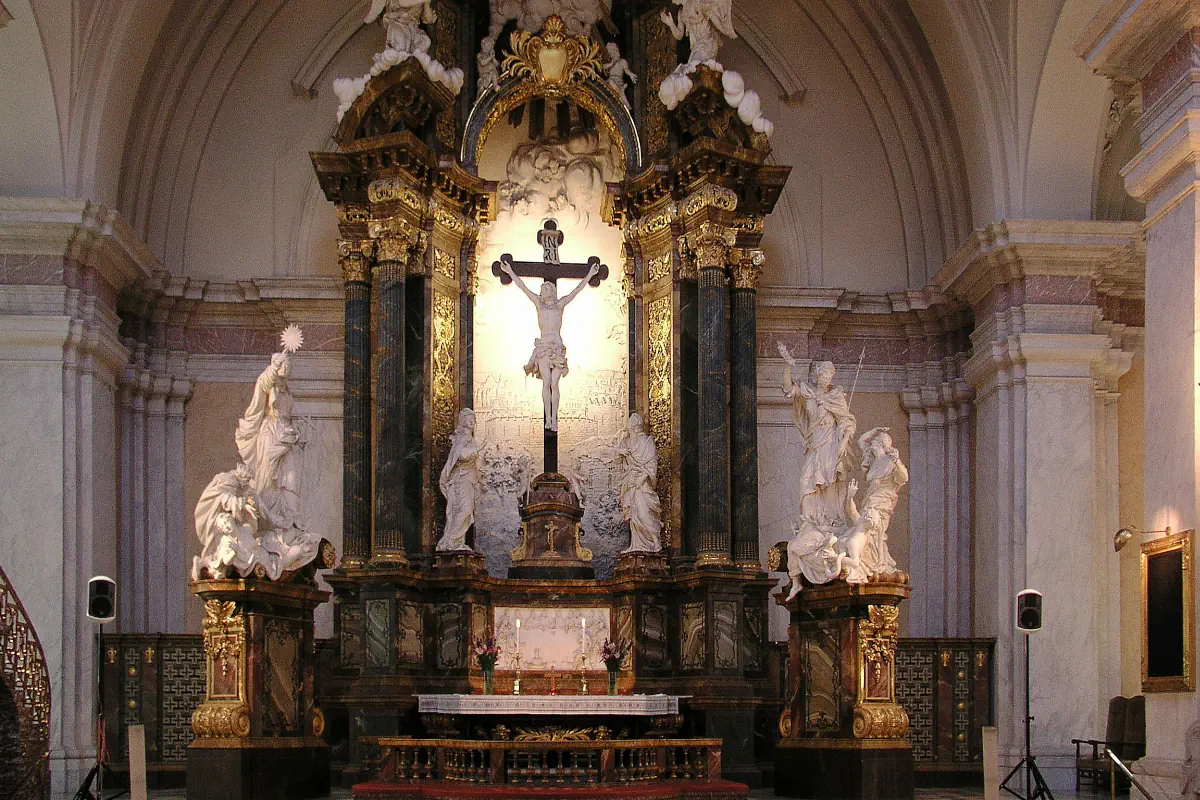
Lindegren drew inspiration from Roman Baroque churches, adapting their theatrical scale to Swedish traditions. The massive dome creates a luminous interior where light cascades down over marble pilasters, gilded ornamentation, and painted vaults.
While firmly Neo-Baroque, subtle Gothic structural elements create a layered architectural dialogue—bridging historical styles rather than imitating a single tradition.
Art, symbolism, and national identity
The church’s artistic program reflects Sweden’s religious and national history. The main portal depicts Gustav Vasa receiving the Swedish Bible, symbolizing the Reformation and the rise of a unified Lutheran state.
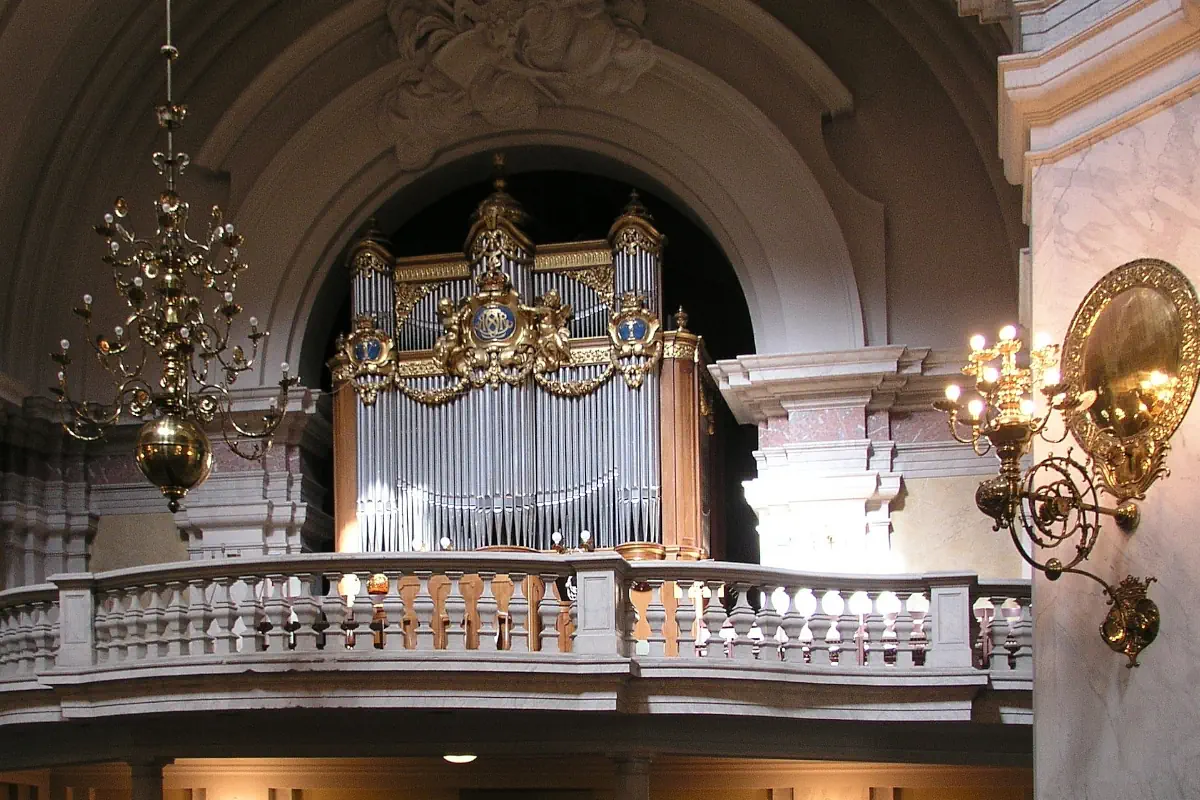
Inside, frescoes, inscriptions, and the grand organ reinforce the church’s theatrical and ceremonial atmosphere—designed to inspire both reflection and awe.
⛪ Related Churches in Stockholm
- 🏛️ Adolf Fredrik’s Church – A nearby parish church with a historic churchyard.
- 🕍 Sabbatsberg Church – A small wooden sanctuary with roots in the 18th century.
- ⛪ St. Johannes Church – A striking Gothic Revival landmark in Norrmalm.
- 🌟 Oscar’s Church – A Neo-Gothic masterpiece near Djurgården.
A living church in modern Stockholm
Today, Gustaf Vasa Church serves as both a parish church and a cultural venue. Concerts, choral performances, and public events bring life to its vast interior, maintaining its role as a civic and spiritual gathering place.
Standing at the heart of Vasastan, surrounded by cafés and city life, it remains one of Stockholm’s most powerful architectural statements—where history, faith, and urban life converge beneath a monumental dome.
Explore palaces, ceremonies, dynastic history, and the architecture of Swedish monarchy.

 In partnership with Agoda