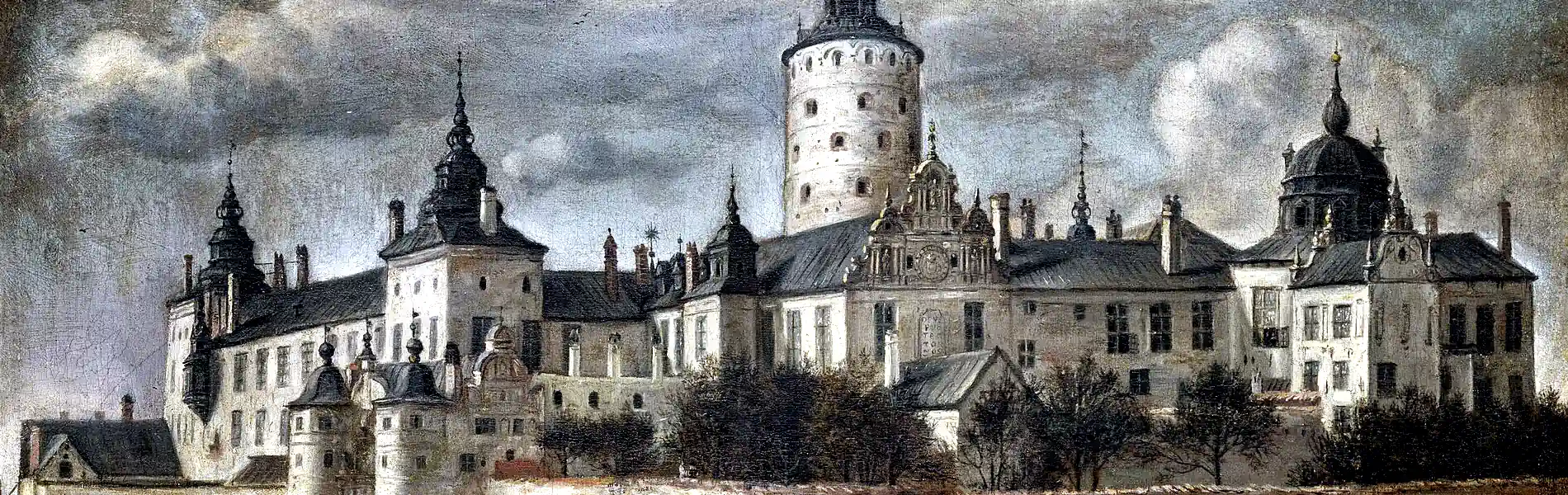
Discover Tre Kronor Castle, the medieval royal fortress that once stood where Stockholm’s Royal Palace is today. Learn how the castle shaped Swedish history before its destruction in 1697.
Tre Kronor Castle: The Lost Fortress of Stockholm
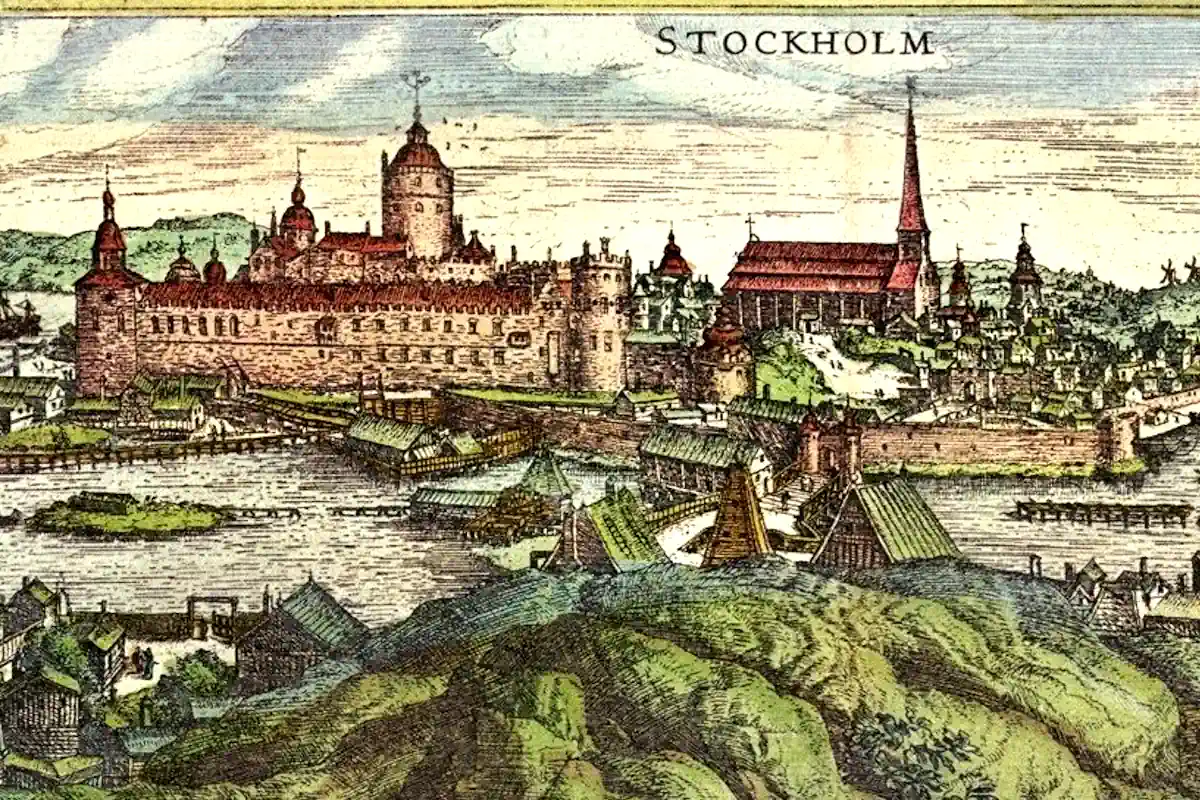
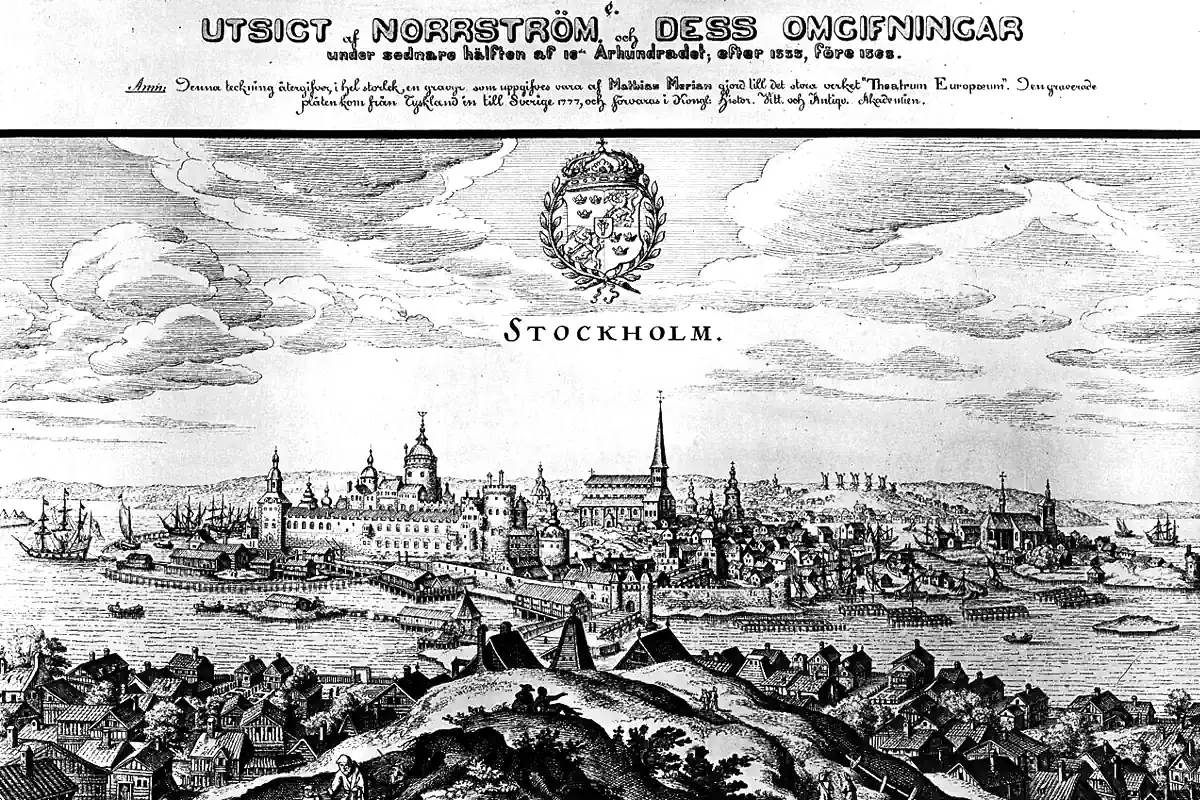
Tre Kronor Castle once stood where the Royal Palace rises today, dominating the northern edge of Gamla Stan. For centuries this medieval fortress served as the political and military heart of Sweden, symbolizing royal authority and the power of the emerging Swedish state.
Originally constructed as a defensive stronghold during the Middle Ages, Tre Kronor gradually evolved into a royal residence and administrative center. From its towers and fortified walls, Swedish monarchs governed the realm and defended the strategic passage between Lake Mälaren and the Baltic Sea.
- Location: Northern edge of Gamla Stan, Stockholm
- Era: Medieval fortress (13th century origins)
- Function: Royal castle and administrative center
- Name meaning: “Three Crowns,” the Swedish national symbol
- Destroyed: 1697 fire
- Successor: Stockholm Royal Palace
The Origins of Tre Kronor
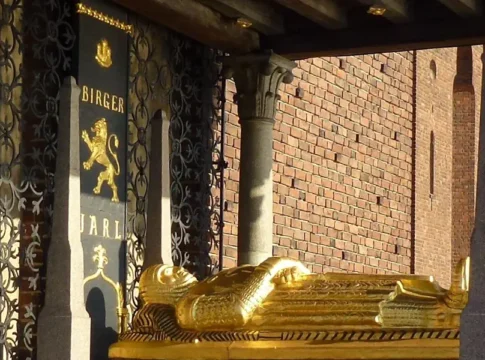
The earliest fortifications on the site date to the 13th century, when Stockholm began to emerge as a strategic settlement controlling trade routes between the interior of Sweden and the Baltic Sea. The fortress was likely strengthened during the era associated with Birger Jarl, whose policies helped establish Stockholm as a political center.
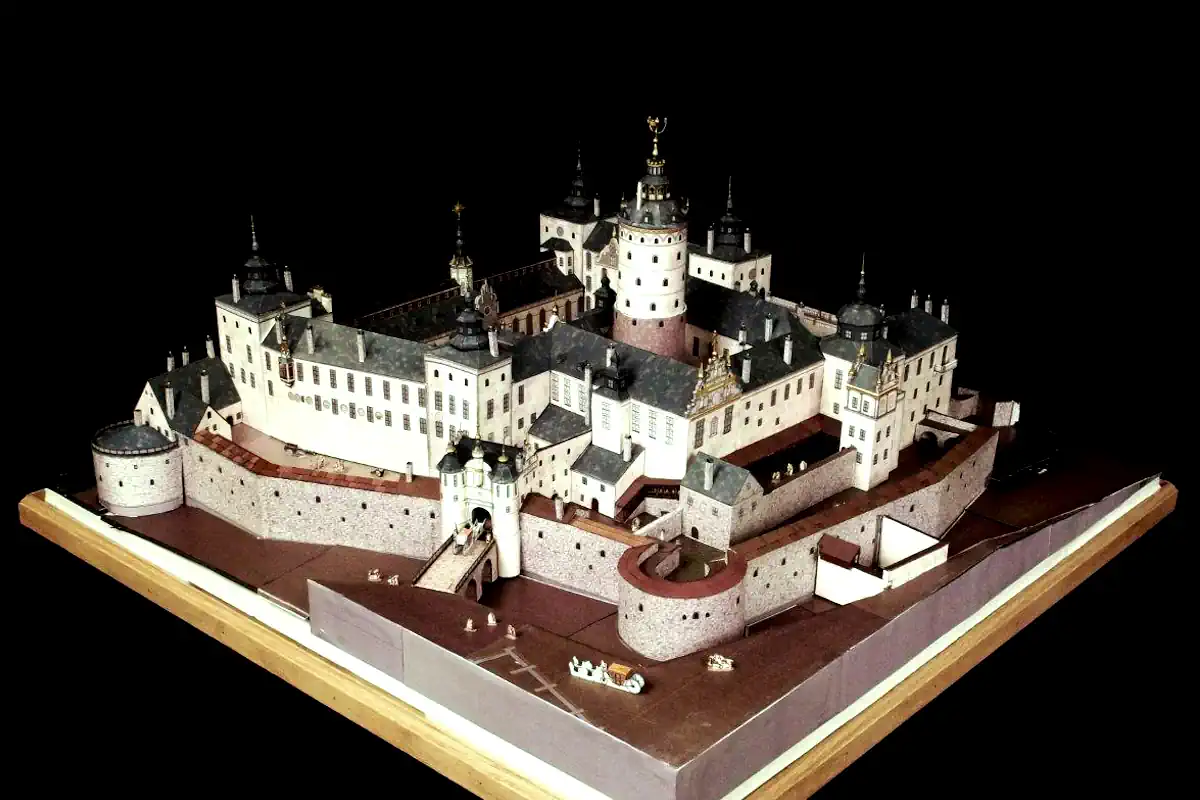
Over time the castle expanded into a complex structure of towers, courtyards, and defensive walls. Its central tower carried the emblem of three crowns — a symbol that eventually became the national coat of arms of Sweden.
A Royal Fortress and Political Center
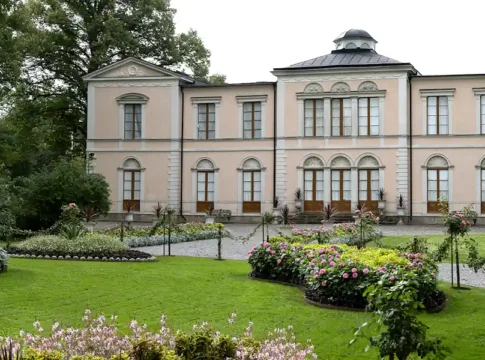
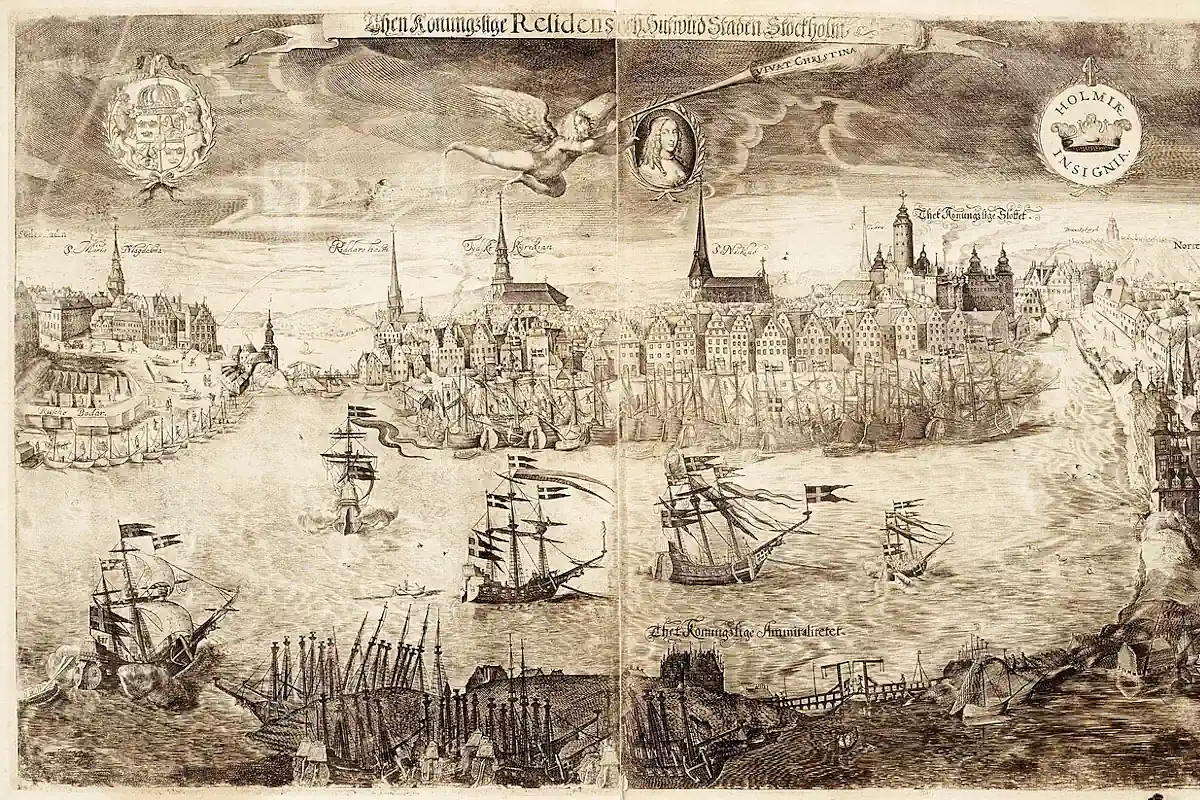
By the late Middle Ages, and before the fire of 1697, Tre Kronor Castle was the political heart of the Swedish realm, home to rulers from Gustav Vasa to later monarchs like Karl XI and, in the emerging age of great power, Karl XII. Nearby Karlberg Palace, closely associated with the reigns of Karl XI and Karl XII, further illustrates how royal authority radiated outward from Tre Kronor during the age of Swedish absolutism. The period also saw the influence of Queen Ulrika Eleonora the Elder, whose patronage shaped the ceremonial life of the royal court during the final century of Tre Kronor’s existence.
The castle witnessed dramatic moments in Swedish history. During the turbulent period surrounding the Stockholm Bloodbath of 1520, control of the fortress symbolized control of the Swedish kingdom itself. After the rebellion that followed the massacre, Gustav Vasa seized power and established an independent Swedish monarchy. Tre Kronor became the administrative center of the new kingdom.
From Fortress to Renaissance Palace
During the 16th and 17th centuries the castle gradually transformed from a medieval fortress into a more refined royal residence. Renaissance architectural elements were added, expanding the royal apartments and ceremonial halls.
Despite these renovations, the castle retained its medieval core. Thick defensive walls and towers still surrounded the complex, reminding visitors that the structure had once been designed primarily for defense rather than luxury.
The Fire of 1697
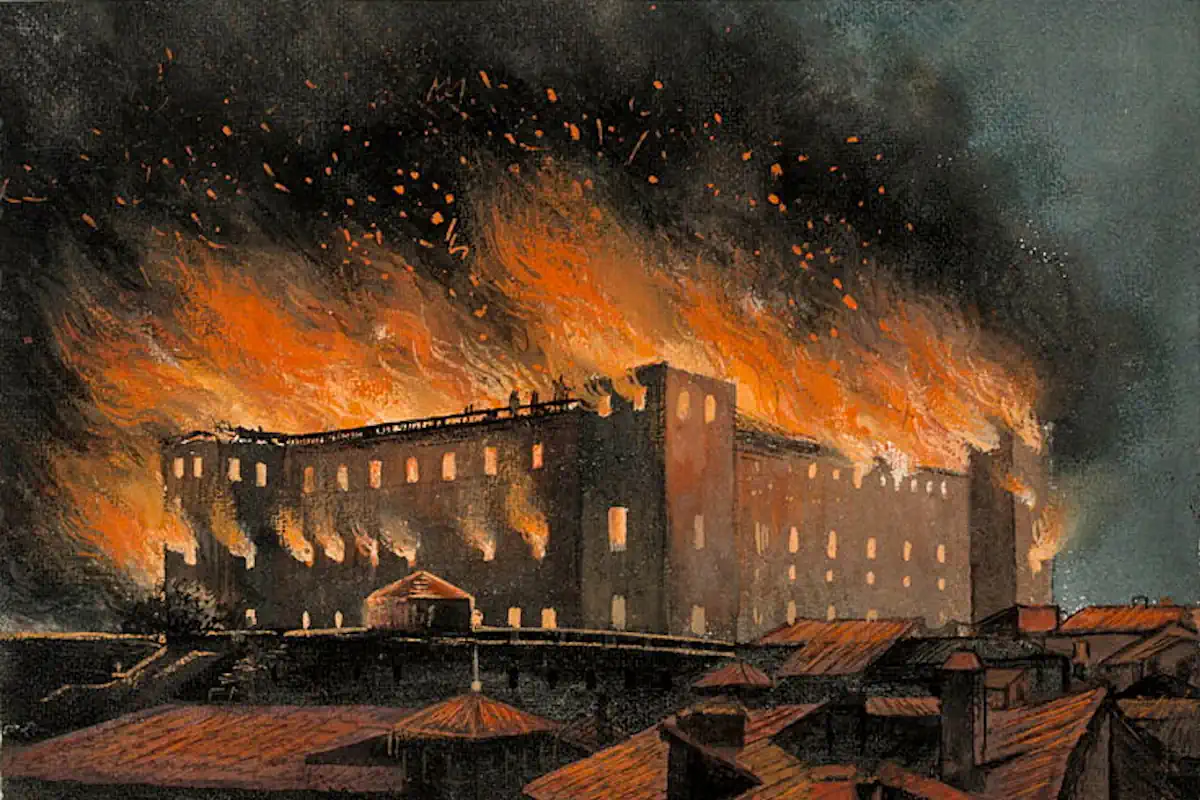
In May 1697 a devastating fire broke out in Tre Kronor Castle. The flames spread rapidly through the aging structure, fueled by wooden interiors and strong winds.
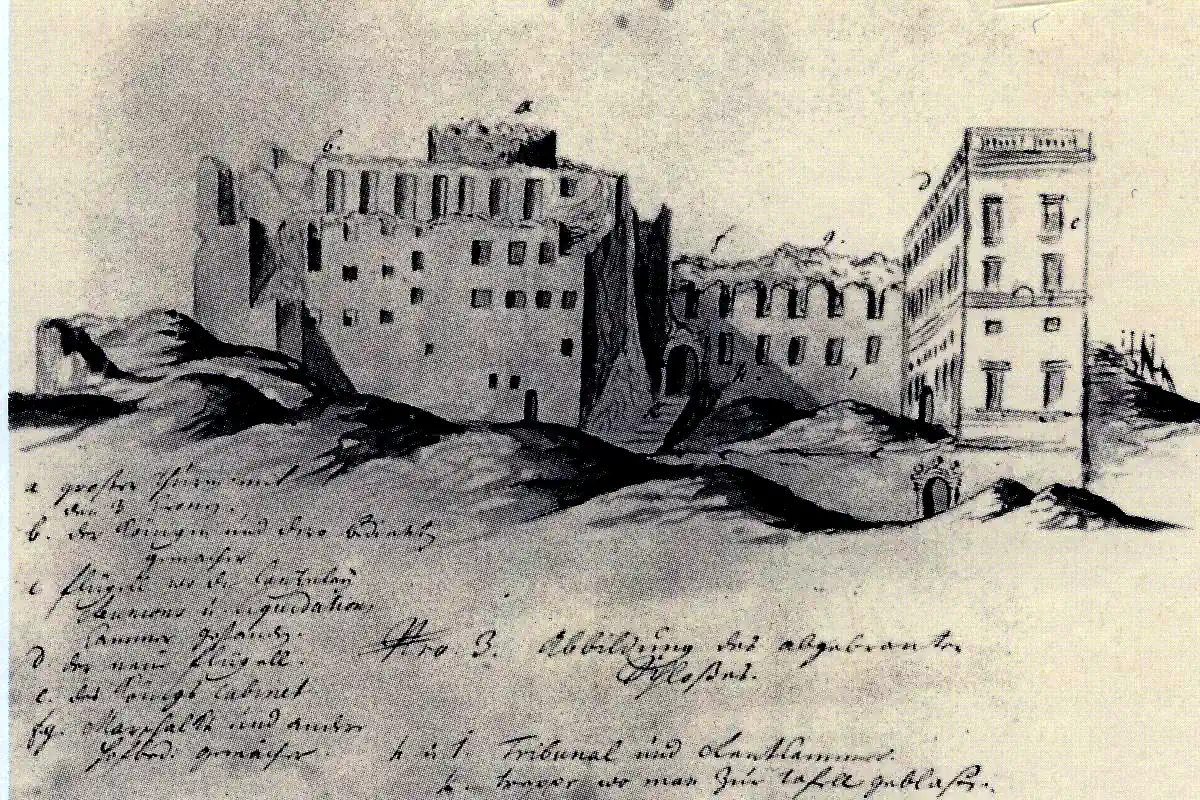
Despite efforts to save the fortress, most of the complex was destroyed. Royal archives, artworks, and historical records were lost in the disaster. Only fragments of the medieval structure survived.
The catastrophe forced the Swedish monarchy to rebuild the royal residence from the ground up.
The Birth of the Royal Palace
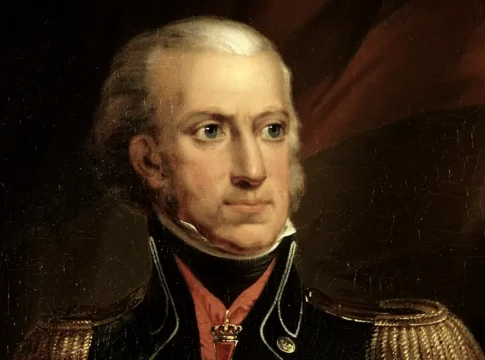
After the fire, architects began constructing the monumental Baroque palace that stands on the site today. The new building — now known as the Royal Palace — replaced the medieval fortress with a grand architectural statement of Sweden’s rising power in Europe. The palace would later witness the turbulent reign of Gustav IV Adolf, son of Gustav III, whose deposition in 1809 marked a decisive break with the absolutist traditions once rooted in Tre Kronor.
Although Tre Kronor no longer exists above ground, archaeological remains of the castle still survive beneath the palace.
The new palace also became one of the most important landmarks in the architectural development of the Swedish capital, explored further in our guide to Stockholm Architectural Landmarks.
Legacy of the Three Crowns
The memory of Tre Kronor lives on in Sweden’s national symbols. The three crowns that once crowned the castle’s tower became one of the most recognizable emblems of the Swedish kingdom.
Even in the late 19th century, under rulers such as Oscar II, the symbolism of Tre Kronor continued to shape the identity of the Swedish monarchy.
Today visitors walking through Gamla Stan often pass the site without realizing that beneath the Royal Palace once stood the medieval fortress that shaped the political history of Sweden.
Tre Kronor may be gone, but its legacy remains embedded in the foundations of Stockholm itself. Visitors exploring Gamla Stan today can still walk through the streets that once surrounded the medieval fortress, including historic locations such as Stortorget.
Across the centuries, Tre Kronor stood at the center of Sweden’s political evolution — from the medieval rulers of Birger Jarl’s era to the Vasa kings, the absolutist monarchs of the 17th century, and the constitutional sovereigns of the 19th.
- What was Tre Kronor Castle? A medieval fortress and royal residence that stood where the Royal Palace is today.
- Why is it called Tre Kronor? The castle carried the symbol of three crowns, which later became Sweden’s national emblem.
- When was Tre Kronor destroyed? The castle burned down in a major fire in 1697.
- Can you still see Tre Kronor today? Only archaeological remains survive beneath the Royal Palace.
See how this site fits into the bigger picture in our Stockholm palaces visitor guide.

 In partnership with Agoda