



 Photo: © StockholmMuseum.com
Carnegie Porter: A Swedish Brewing Icon Since 1836
Explore the rich history of Carnegie Porter, a distinctive Swedish brew that has been delighting beer enthusiasts since 1836.


Filmjölk is a traditional Swedish fermented milk product with roots in ancient Nordic food culture. Known for its mild, slightly tangy flavor and probiotic qualities, it remains a staple in Swedish households and everyday breakfasts.
Few foods are as quietly essential to Swedish daily life as a bowl of filmjölk—cool, tangy, and deeply rooted in tradition. Shaped by centuries-old traditions, this fermented milk remains one of Sweden’s most enduring everyday staples.
A tangy, pourable dairy product similar to yogurt but milder and more fluid, filmjölk is found in nearly every Swedish refrigerator. Simple, nourishing, and rich in probiotics, it remains a daily part of Swedish food culture.
Similar fermented milk products exist across Scandinavia, including Danish ymer and Icelandic skyr, yet filmjölk remains distinctly Swedish in both flavor and cultural identity.
As with many everyday Swedish staples—from pyttipanna to crisp knäckebröd—filmjölk reflects a tradition of simple, nourishing foods rooted in everyday life.
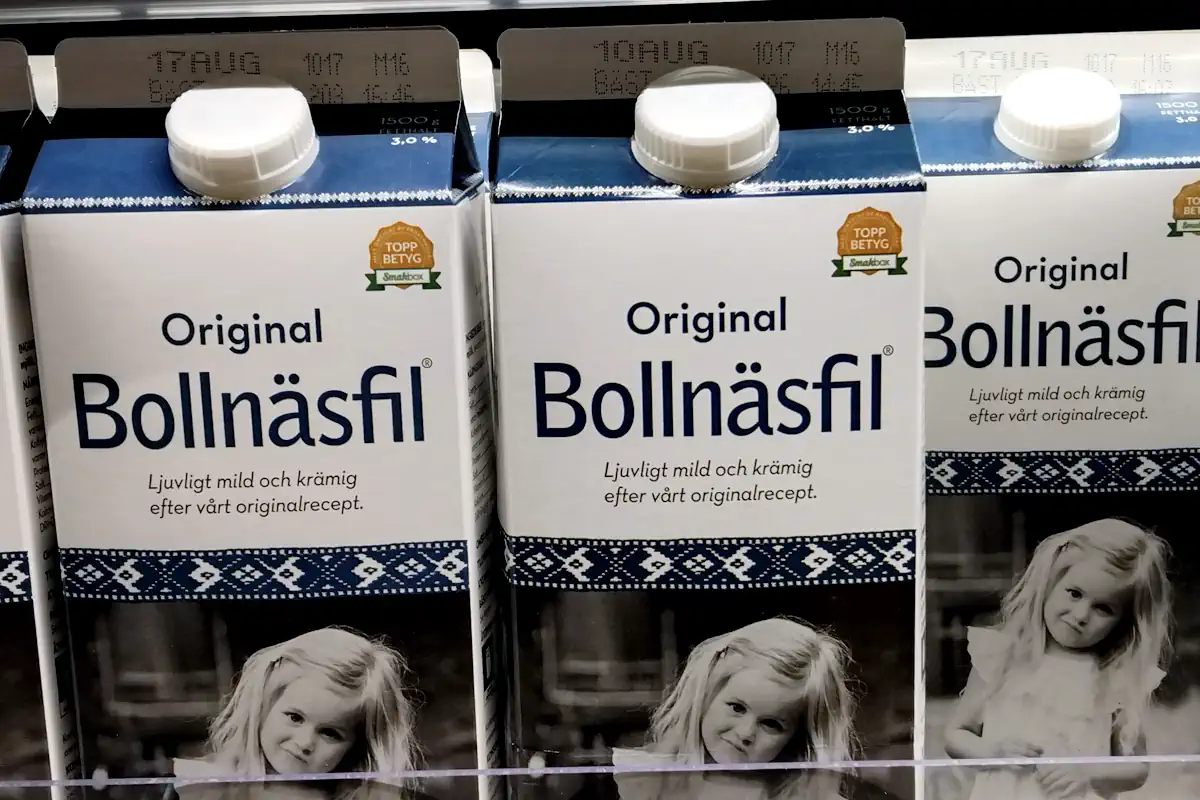
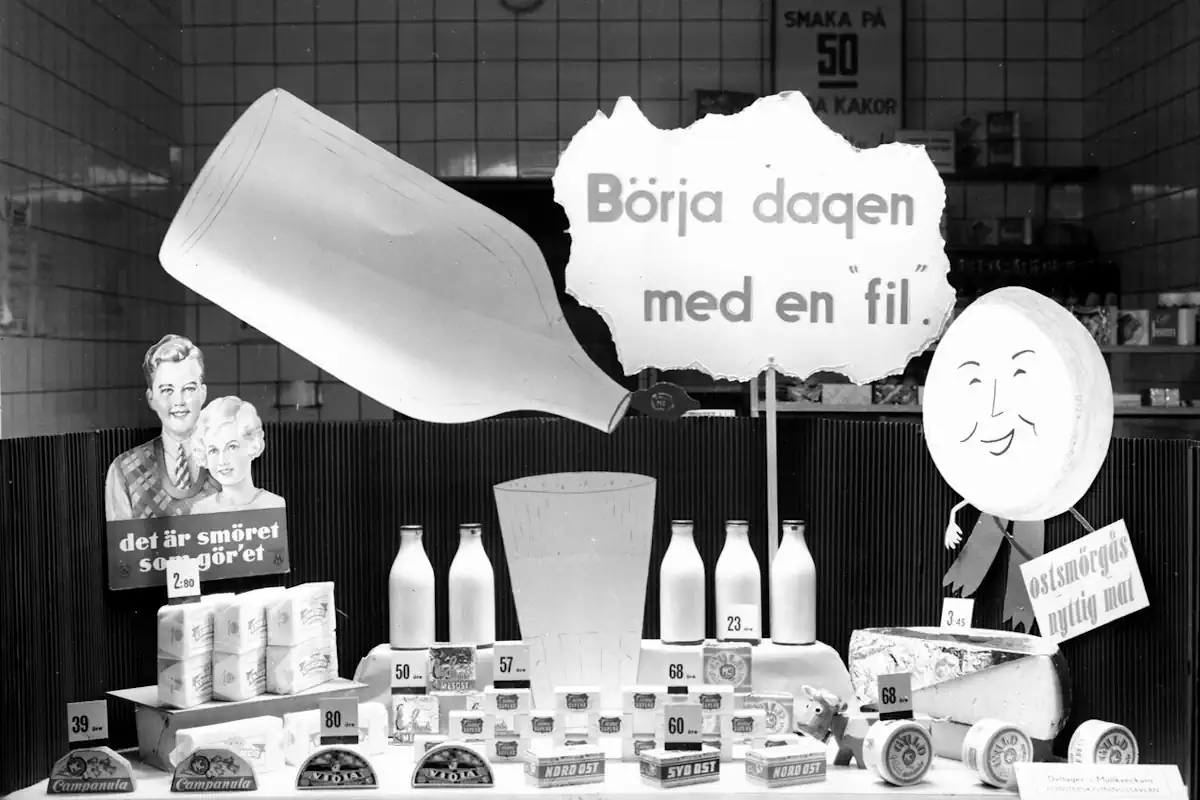
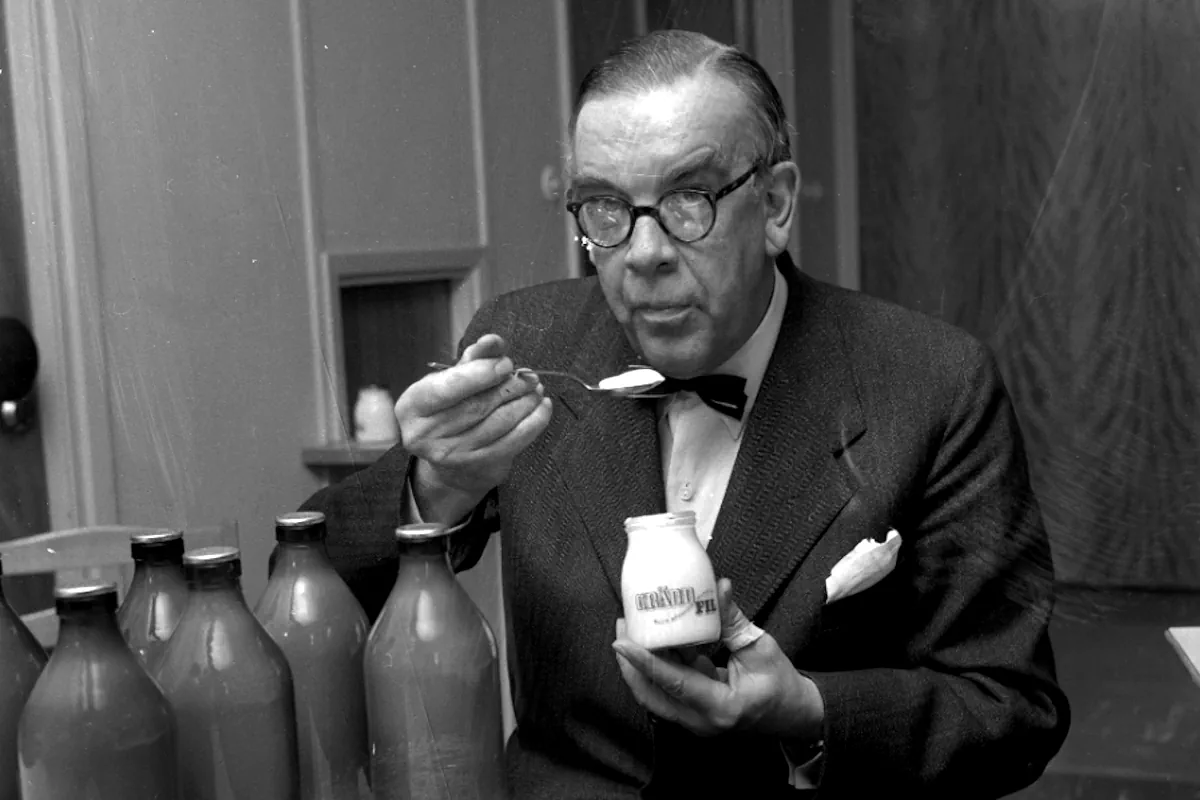
Fermented milk products similar to filmjölk were likely consumed in Scandinavia during the Viking Age, when natural fermentation helped preserve fresh milk. By the early 20th century, production was industrialized—first by Mjölkcentralen in 1931—making filmjölk a staple across Sweden’s households.
Today, millions of liters of filmjölk are consumed annually across Sweden, making it one of Sweden’s most recognizable dairy traditions.
Filmjölk is a type of yogurt-like product, but it differs from traditional yogurt in several ways. It is made by fermenting milk with specific strains of lactic acid bacteria, including Lactococcus lactis and Leuconostoc mesenteroides, which give it a smooth, buttery flavor and a mild tartness. Unlike yogurt, this cultured milk ferments at room temperature, eliminating the need for heating or specialized equipment.
Filmjölk is often compared to yogurt or kefir, but each fermented dairy product has its own character, cultures, and texture.
While all three are probiotic fermented dairy products, filmjölk stands out for its gentle flavor and centuries-long role in Swedish food culture.
Outside Sweden, filmjölk can be difficult to find in regular supermarkets, though specialty Scandinavian markets sometimes carry it.
Unlike many modern breakfast trends, filmjölk reflects a distinctly Nordic approach to food—simple, functional, and shaped by climate, preservation, and routine. This role becomes even clearer when viewed within broader Swedish breakfast traditions.
In Sweden, this traditional dairy product is more than just food — it is woven into everyday life and deeply ingrained in Swedish culture. Traditionally, it was a vital part of dairy production in rural households, where fermentation helped preserve milk for long periods.
The importance of fermentation has long been shaped by the Scandinavian climate, where preserving food was essential for survival. Filmjölk is just one example — others include Sweden’s famously pungent surströmming, the fermented Baltic herring that remains a powerful symbol of northern food traditions.
This everyday simplicity echoes throughout Swedish food culture, from hearty weekday dishes described in Swedish Lunch Traditions to the preserved and fermented foods that shaped rural life.
Today, filmjölk is a common breakfast or snack item, often enjoyed with flatbread such as tunnbröd or crisp knäckebröd or as a base for smoothies.
Filmjölk is rich in probiotics, protein, vitamins, and minerals, making it a nutritious addition to any diet. Its fermentation process lowers the pH, providing antimicrobial properties and a characteristic sour flavor. The probiotics support digestive health and offer several other health benefits.
Because the fermentation process partially breaks down lactose, many people who are mildly lactose-sensitive find filmjölk easier to digest than fresh milk.
Filmjölk is part of a broader tradition of fermented foods in Sweden, shaped by centuries of preservation techniques.
Filmjölk is often enjoyed alongside traditional Swedish staples like lingonberries, which add a tart and flavorful contrast.
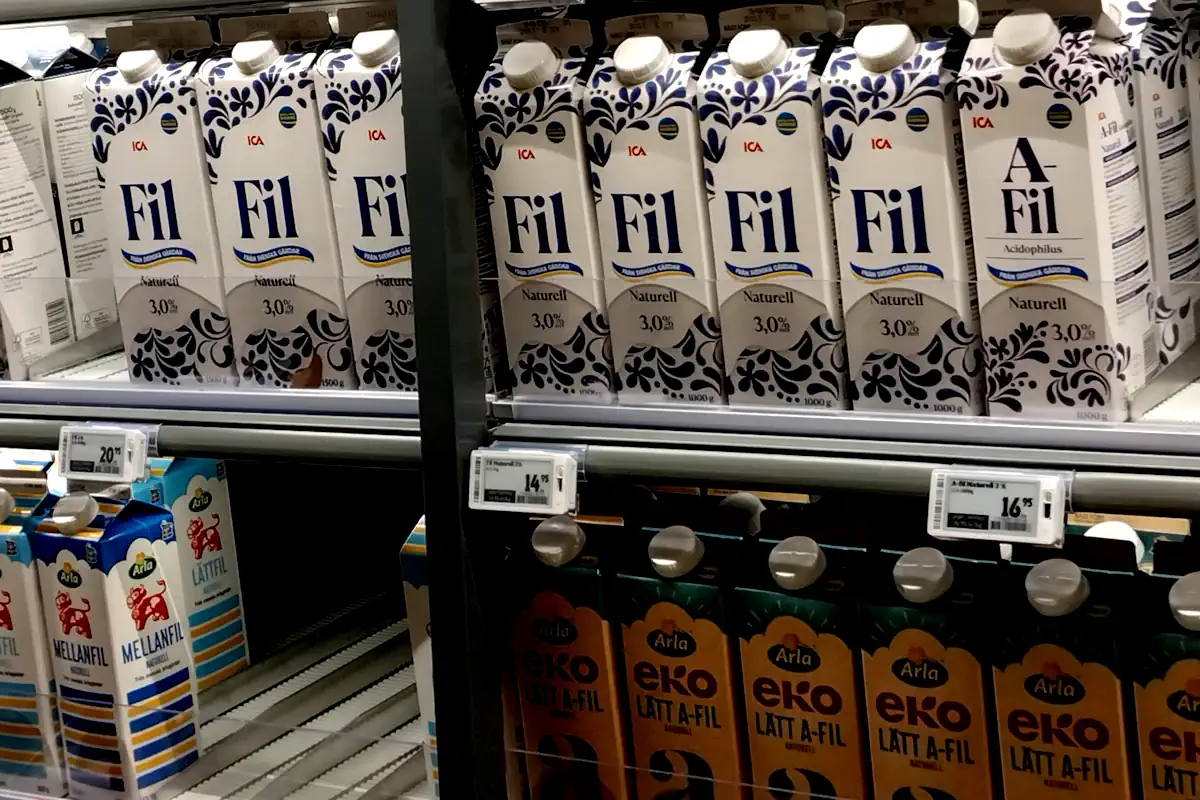
Visitors to Stockholm can find various types of filmjölk in any local grocery store. These include Filmjölk, Mellanfil (low-fat), Lättfil (non-fat), and Långfil, which has a unique elastic texture. Some stores also offer flavored versions or lactose-free options.
While filmjölk is not traditionally part of Swedish fika, it shares the same cultural emphasis on everyday rituals—simple moments that structure the Swedish day.
Visitors can easily find filmjölk in any Swedish supermarket, including major chains like ICA and Coop. For a more local experience, try it as part of a hotel breakfast buffet or alongside granola and berries at cafés that serve Nordic-style breakfasts—especially in areas like Södermalm and Vasastan, where modern café culture meets traditional flavors. Look for breakfast menus featuring granola, berries, and cultured dairy—filmjölk is often quietly part of the spread.
If you’re adventurous, you can easily make filmjölk at home. Simply mix a starter culture with milk in a jar, let it ferment at room temperature for 24-36 hours, and then refrigerate.
However, one of the most fascinating aspects of filmjölk is its self-sustaining nature. You can create new batches of it indefinitely by saving a couple of tablespoons from an existing batch and mixing it with fresh milk. This process allows the bacteria to propagate and ferment the new milk, creating a continuous cycle of fresh filmjölk. This method has been used for generations, making this cultured milk a truly sustainable and traditional food product.
Sweden’s long relationship with fermentation stretches from dairy traditions like filmjölk to heritage brews such as svagdricka, each shaped by climate, preservation needs, and regional customs.
Filmjölk is more than a fermented milk—it’s part of Sweden’s daily rhythm. From quiet breakfasts to simple, nourishing meals, it reflects a food culture built on balance, tradition, and simplicity. In a country known for design, innovation, and modern living, filmjölk remains a reminder that some of Sweden’s most defining traditions are found in the simplest daily rituals.
Filmjölk plays a central role in Swedish breakfast traditions and continues to shape what Swedes eat for breakfast today.
Swedish Filmjölk
Fil, Filmjölk